Exploring the Modern World of Target Shooting Sports
Target shooting sports offer structured, highly disciplined environments where firearm owners can test their skills, build muscle memory, and enjoy marksmanship at every experience level. Rather than simply firing at a blank berm, participating in an organized discipline introduces measurable standards, standardized rules, and safety protocols that refine gun handling. Whether you prefer shotguns tracking moving targets across open skies, scoped rifles dialing in distant steel plates, or handguns clearing timed stages, there is a dedicated community built around your interest.
Before investing in specialized equipment, many newcomers visit established shooting range facilities across the country to observe different disciplines firsthand. Seeing how experienced competitors manage their gear, stage transitions, and shooting cadence provides invaluable context. Most formal shooting sports welcome beginners and offer orientation sessions designed to teach range etiquette before any competitive pressure sets in.
Getting involved typically requires basic eye and ear protection, a reliable firearm suited to the discipline, and a willingness to learn fundamental range safety commands. While gear can become elaborate at elite levels, entry-level participation is remarkably accessible. Most clubs prioritize safe muzzle control and rule adherence far above high scores, creating an encouraging environment for first-time shooters looking to improve their marksmanship.
The Fundamentals of Clay Pigeon Shooting
Clay pigeon shooting encompasses several distinct outdoor shotgun sports where participants fire at flying disc targets made from compressed pitch and limestone. These fragile targets are launched into the air to simulate the unpredictable flight patterns of game birds, requiring quick hand-eye coordination, smooth swing mechanics, and consistent gun mount. The discipline emphasizes instinctive pointing rather than deliberate aiming, training the shooter to focus on the target while letting peripheral vision track the barrel.

A key element of any shotgun facility is the clay target thrower, which can range from an inexpensive manual hand thrower used on private land to commercial electric carousel machines holding hundreds of clays. Automated throwers can vary launch speeds, spring tensions, and trajectory angles, providing unpredictable flight lines that test a shooter's reflexes. High-end clay clubs feature networked throwing arrays controlled by voice-activated microphones or electronic card systems that release targets on the shooter's call.
Those learning the sport often discover that proper stance and consistent gun fit matter far more than barrel length or choke selection. When mounting a shotgun, your cheek must weld securely to the comb so your eye aligns naturally down the rib. Missing a clay target usually stems from lifting your head off the stock or stopping the forward swing of the shotgun as the trigger breaks, rather than misjudging the target's speed.
Understanding the Differences in Trap vs Skeet Shooting
When comparing trap vs skeet shooting, the primary differences lie in the field layout, target trajectory, and shooting stations. In standard American trap, shooters stand in an arc behind a single submerged trap house that launches clays away from them at varying horizontal angles. Because the targets travel away from the line of fire, shooters must establish proper vertical lead, placing their bead slightly underneath or right on the rising clay depending on the station.
Skeet shooting, by contrast, uses two separate target houses positioned at opposite ends of a semicircle: a high house on the left and a low house on the right. Shooters move through eight different stations around the field, facing crossing shots, incoming clays, outgoing targets, and even simultaneous doubles. Skeet demands aggressive forward lead and continuous swing follow-through, as crossers require firing well ahead of the moving target to let the shot cloud intersect its path.
Both disciplines rely on 12-gauge or 20-gauge shotguns, but their preferred setups differ. Trap competitors generally prefer longer barrels with full or modified chokes and high-comb stocks designed to float rising targets. Skeet competitors gravitate toward shorter, faster-handling shotguns with open skeet or cylinder chokes that produce wide, forgiving patterns at the standard twenty-yard engagement distances common to the game.
Governing Bodies and the Role of Clay Associations
Organized shotgun sports thrive under formal oversight organizations that maintain uniform safety regulations, target specifications, and shooter classification brackets. In the United Kingdom, the Clay Pigeon Shooting Association sets the standard, while in the United States, bodies like the Amateur Trapshooting Association and the National Skeet Shooting Association manage nationwide competitions. These groups ensure that a round of registered targets shot in New York follows the exact same mechanical and spatial rules as one in California.
Joining an association provides shooters with an official handicap or classification average based on their past scoring records. This system allows beginners to compete fairly against peers with similar skill sets, rather than squaring off against master-class shooters in open divisions. It also gives recreational shooters an objective benchmark to track their personal improvement over seasons of weekly league shooting.
Many regional clubs host sanctioned shoots that require membership in these national organizations, though everyday practice rounds are generally open to guests. If you want structured development, visiting venues that host training or certification classes can connect you with certified shotgun instructors who teach rulebook nuances, proper pre-shot routines, and tournament mental preparation.
Mastering Marksmanship Through Paper Target Shooting
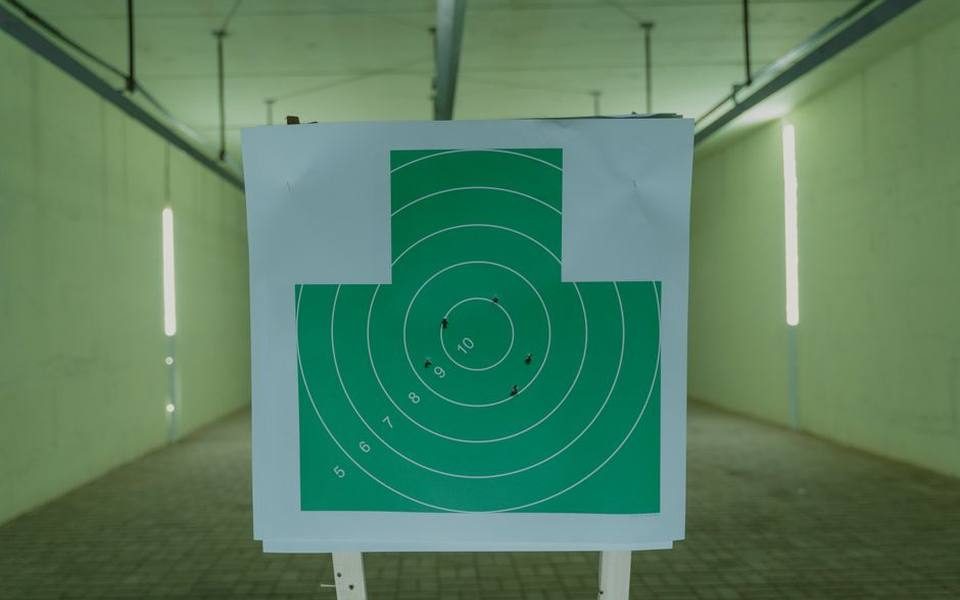
Traditional paper target shooting remains the baseline training method for handguns, rimfire rifles, and centerfire rifles across the globe. Paper targets offer an exact, permanent record of projectile impact, allowing shooters to analyze grouping size, shot dispersion, and marksmanship errors with complete clarity. Whether shooting at ten yards with a defensive pistol or one hundred yards with a hunting rifle, paper reveals mechanical flaws such as flinching, uneven trigger press, or shifting sight pictures.
Indoor shooting facilities heavily utilize paper target systems suspended from motorized overhead track carriers. In an indoor range, shooters can send their target downrange to specific distance markers at the touch of a button and retrieve it without waiting for range-wide cold commands. This setup creates an efficient practice environment where shooters can systematically test ammunition lots, adjust iron sights, or dial in optical zero settings.
Choosing paper targets depends on your specific training goals for the session. Concentric bullseye rings reward precision alignment and consistent breath control, while anatomical silhouette targets help defensive shooters focus on rapid center-mass hits. Splotch-revealing reactive paper targets, which burst into bright neon rings upon impact, provide instant optical feedback downrange without requiring spotting scopes or constant target retrieval.
The Resonant Feedback of Shooting on Steel Targets
Using a steel target for shooting provides unmistakable acoustic and visual feedback that paper simply cannot match. The audible ping of lead striking hardened steel lets shooters confirm hits instantly, which builds confidence and speeds up target engagement drills. Steel plates are exceptionally durable when matched correctly with appropriate calibers, surviving thousands of rounds without needing replacement or frequent range pauses for patching.
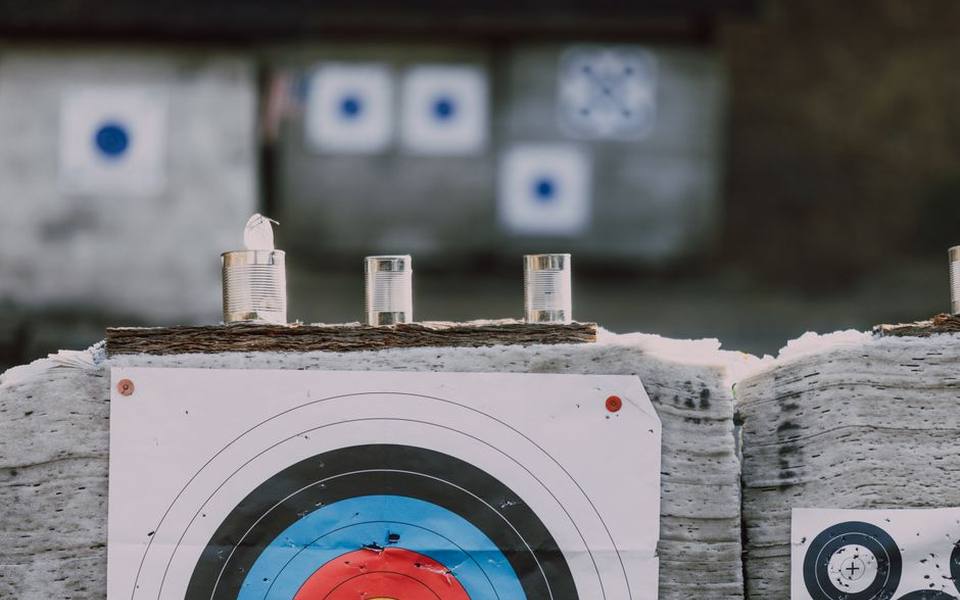
Safety is paramount when shooting steel plates to prevent dangerous ricochets or back-splatter. Ranges insist on using through-hardened AR500 or AR550 steel designed to resist pitting, as surface craters on softer metal can bounce bullet fragments directly back toward the firing line. Plates should always hang with a downward forward tilt or swing freely from chains, deflecting spent lead safely into the ground below rather than redirecting fragments sideways.
Shooting ranges strictly enforce minimum safe distances for steel targets depending on the ammunition used. Handgun calibers typically require a minimum standoff distance of ten to twelve yards, while high-velocity centerfire rifle rounds usually demand at least one hundred yards to protect the plate from cratering and protect shooters from high-speed fragments. Furthermore, armor-piercing or steel-core ammunition is strictly banned on steel targets due to extreme penetration and fire hazards.
Novelty and Themed Plinking Targets
Not all range time needs to focus on strict competitive drills or formal marksmanship tests. Recreational plinking frequently features playful targets, including the popular shooting target zombie series, dartboard graphics, battleship games, and colorful animal silhouettes. These novelty designs add entertainment to casual range sessions, making shooting accessible, engaging, and lighthearted for friends and family members trying the hobby for the first time.
Themed targets also serve a practical training purpose by introducing non-standard aiming points. Standard bullseye rings teach shooters to center their sights on a clean geometric circle, but novelty targets force the eye to find distinct reference points within complex, asymmetric illustrations. This variation challenges visual discipline and prevents shooters from falling into repetitive sight patterns.
Even during casual plinking sessions, range safety officers enforce the exact same standard safety rules. Every paper or cardboard target must be mounted at proper heights to ensure all passing projectiles bury cleanly into the designated dirt berm or indoor bullet trap. Novelty targets should never be hung in ways that encourage erratic shooting angles, and shooters should always confirm that their range permits themed prints before pinning them to the backer.
The Dynamic Challenge of Precision Rifle Shooting
Precision rifle shooting has grown into one of the most popular long-range rifle disciplines in the nation, driven largely by competitions organized under the Precision Rifle Series. Unlike traditional prone shooting matches, precision matches require competitors to engage reactive steel targets positioned from three hundred yards out to past one thousand yards under strict time limits. Shooters must rapidly transition between unconventional barricades, boulders, roof props, and fence rails while keeping their rifle stable.
Success in this discipline requires a deep understanding of external ballistics, atmospheric conditions, and wind calling. Modern precision competitors use sophisticated mobile ballistic calculators, laser rangefinders, and weather meters to calculate bullet drop and wind drift down to fractions of a milliradian. Dialing elevation and holding wind on high-magnification first-focal-plane optics must become second nature when navigating an eight-stage match with twenty-target courses of fire.
The rifles used in modern precision divisions are engineering marvels, typically chambered in low-recoil, high-ballistic-coefficient short-action calibers like 6mm Creedmoor, 6.5 Creedmoor, or 6mm Dasher. Heavy modular chassis systems, tuned two-stage triggers, muzzle brakes, and specialized support bags allow shooters to spot their own bullet trace through the optic and observe impacts on steel plates in real time.
Extreme Consistency in Benchrest Shooting
Where practical precision matches focus on time pressure and positional agility, benchrest shooting is an exercise in absolute mechanical perfection. Benchrest competitors sit at massive concrete shooting benches, resting their custom bolt-action rifles on heavy mechanical front pedestals and leather rear sandbags. The objective is singular: place five or ten consecutive shots into the smallest possible aggregate group on paper targets, often measuring groupings in hundredths of an inch.
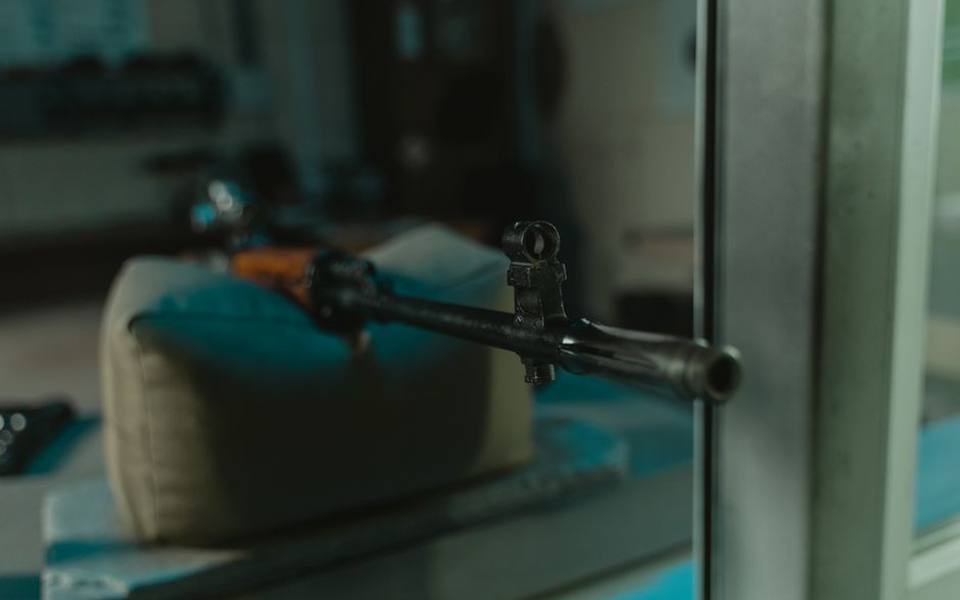
Benchrest competitors obsess over microscopic variables that most casual shooters never consider. Handloading match ammunition directly at the range table is common, allowing participants to adjust neck tension, powder charges, and bullet seating depths to match daily humidity and temperature changes. Rifles frequently feature custom heavy stainless steel barrels, action beddings cured into solid fiberglass stocks, and competition triggers breaking at ounces of force.
Reading wind flags placed between the bench and the target backer is the defining skill that separates winners from the field. Because bullets travel through changing micro-currents of air down the shooting lane, a benchrest shooter must wait for the exact wind condition before squeezing off each shot. When conditions change suddenly, competitors must decide instantly whether to hold off on the paper target or wait out the wind before their allotted stage time expires.
Historical Flair in Cowboy Action Shooting
Cowboy action shooting blends competitive speed shooting with historical reenactment, celebrating the firearms and folklore of the late nineteenth-century American frontier. Competitors shoot through themed scenarios using authentic or reproduction firearms from the Old West period, including two single-action revolvers, a pistol-caliber lever-action rifle, and an external-hammer coach shotgun. Participants dress in period clothing and adopt unique Western aliases registered with the Single Action Shooting Society.
Matches test speed and accuracy against brightly painted steel targets laid out in creative Western settings such as mock saloons, bank fronts, and livery stables. Range safety officers closely monitor every shooter, enforcing strict rules on cocking hammers, clearing actions, and staging firearms safely between firing sequences. The atmosphere is famously welcoming, with seasoned participants often loaning gear and firearms to curious beginners.
Competitive shooting hubs in states with strong outdoor shooting traditions, such as shooting ranges in Texas, host major regional cowboy matches throughout the year. The sport places a heavy emphasis on camaraderie, historical preservation, and the sheer fun of running classic firearms, proving that competitive marksmanship can be vibrant, social, and steeped in heritage.
Choosing the Right Target Practice Ammo
Selecting appropriate target practice ammo is essential for balancing shooting performance with operational costs. High-volume range sessions do not require expensive premium self-defense hollow points or ultra-exclusive hunting loads. Instead, high-quality full metal jacket rounds for handguns and rifles provide reliable cycling, clean combustion, and consistent velocities while keeping per-round expenses manageable over hundreds of rounds.
When purchasing shotgun ammunition for clay sports, pay close attention to shot size, payload weight, and muzzle velocity. Most trap and skeet fields strictly restrict shot sizes to number 7.5, 8, or 9 lead pellets to prevent shot from traveling outside safety zones. Firing heavier field loads or hunting buckshot on a designated clay range is almost universally prohibited due to property boundary and backdrop safety limitations.
Always review the specific ammunition guidelines of your local range before heading out to shoot. Many indoor locations prohibit bi-metal jackets, steel-core penetrators, or non-toxic magnetic projectiles because they accelerate wear on bullet traps and present potential sparking hazards. Keeping a well-organized stock of factory-loaded practice ammunition ensures smooth check-ins at the range counter and trouble-free performance on the firing line.
Published 2026-09-21 · reviewed with each rebuild, last September 2026.
Find shooting ranges near you
The directory lists 6,919 shooting ranges by state and city — pick your state or use the “Near me” button in the header.
More guides
-
 Safety
Can a Felon Go to a Shooting Range? Federal Rules, Range Policies, and Shooting Sports Explained
-
 Money
MoneyGun Range Costs and Rental Guide: Fees, Ammo, and What to Expect
-
 Safety
Concealed Carry Permit Costs, Classes, and Certification Guide
-
 Service
Pinning and Welding a Muzzle Device: Legal Standards and Technical Steps
-
 Buying
FFL Transfer Fees, Background Checks, and NFA Kiosks Explained
-
 Buying
Where and How to Buy Police Trade-In Firearms Safely
-
 Owning
Beginner Guide to Long-Range Shooting: Distances, Tips, and Calculators
-
 Owning
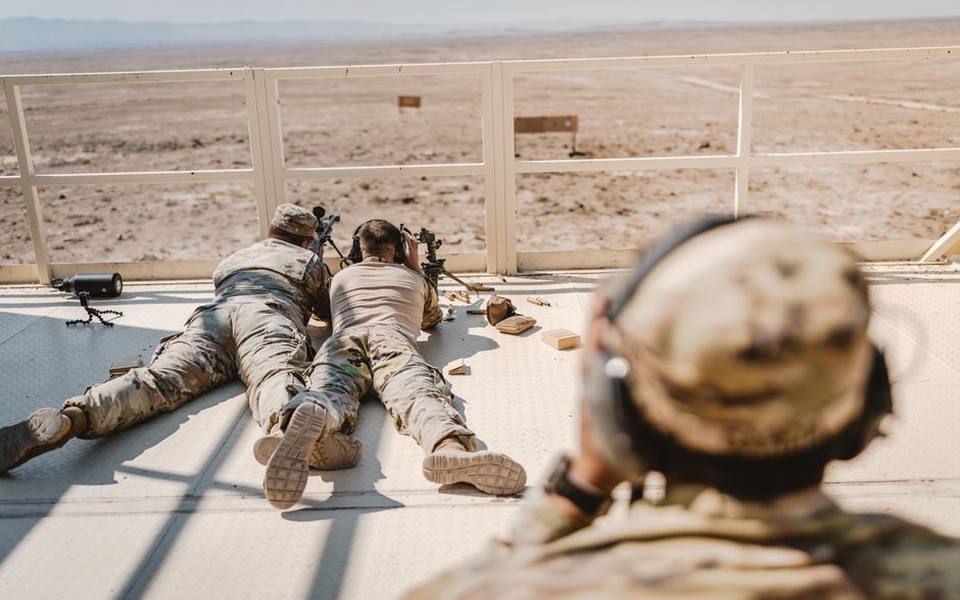
How to Choose the Best Outdoor Shooting Range for Your Needs
-
 Safety
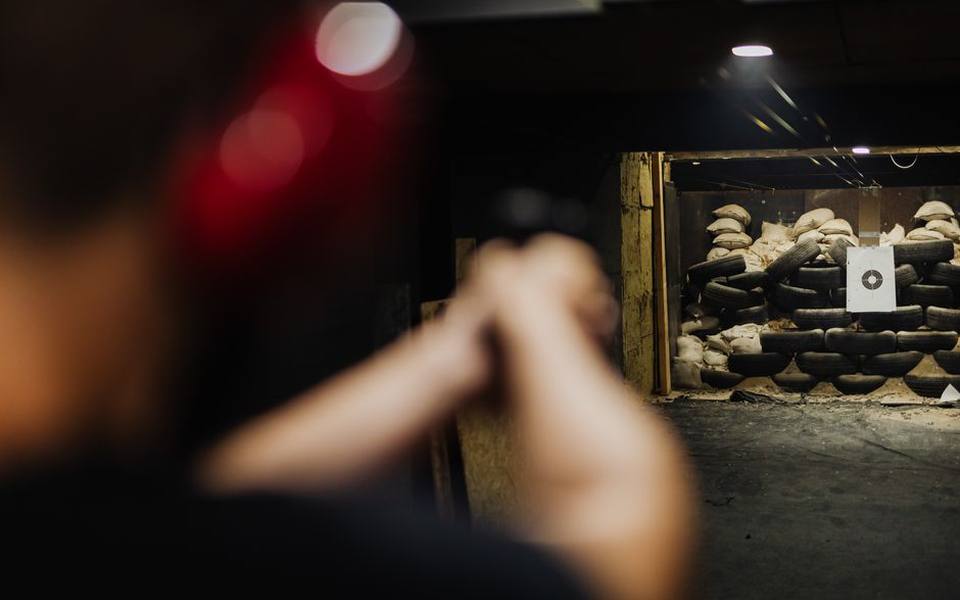
Indoor & Public Shooting Ranges: Etiquette, Costs, & Locating Ranges
-
 Safety
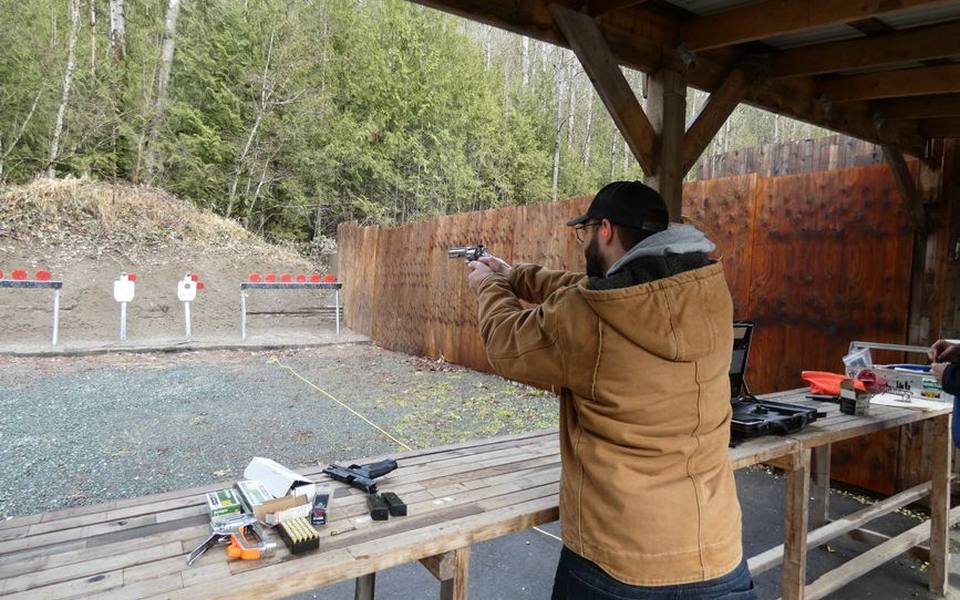
Gun Safety Courses, Hunter Education, and Concealed Carry Certification Guide
-
 Owning
Firearms Licensing, FOID Cards, and Background Checks: Verification, Processing, and Appeals
-
 Owning
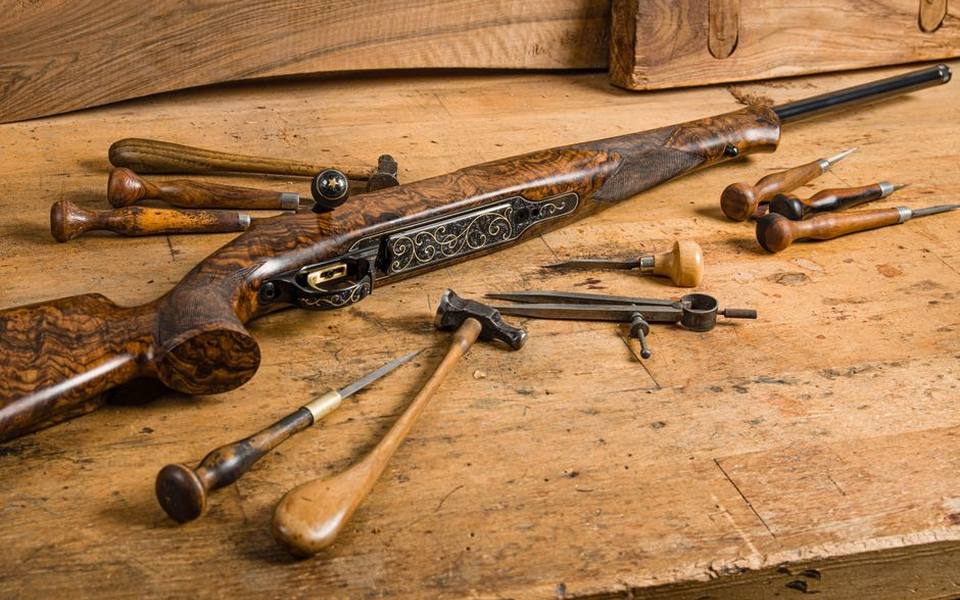
Gun Cleaning Kits and Maintenance: Solvents, Bore Snakes, and Ultrasonic Cleaners
-
 Safety
Shooting Range Ear Protection & Custom Molded Earplugs
-
 Safety
Tactical Firearms Training and Advanced Defense Courses Guide
-
 Owning
Shooting Range Accessories: Eye Protection, Range Bags, and Shooting Rests
-
 Owning
Indoor Archery and Crossbow Shooting: Practical Range Guide, Zeroing, and Gear
-
 Service
Gunsmithing Services: Firearm Restoration, Stock Refinishing, and Custom Work
-
 Storage
Gun Safes and Storage Solutions: Biometric Locks, Humidity, and Ammo Storage
-
 Safety
Custom Molded Hearing Protection and Shooting Earplugs Guide
-
 Owning
Modern Shooting Ranges, Home Simulators, and Training Memberships
-
 Buying
Shooting Gear, Target Optics, Tools, and Ballistics Essentials
-
 Owning
Firearm Licensing, Permits, Background Checks, and Guard Rules
-
 Safety
Firearms Training and Self-Defense Classes: Beginner to Advanced
-
 Safety
Target Practice in the Digital Age: Viral Trends, Range Etiquette, and Practical Drills
-
 Owning
Custom Kydex Holsters Guide: Types, Revolver Fits, and Draw Techniques
-
 Safety
Tactical Defense Courses: Active Shooter Response, Medic Training, and Self-Defense
-
 Owning
Complete Guide to Kitchen Range Hood Venting, Ductwork, and Installation
-
 Service
Creative Birthday Photoshoot Ideas for Kids, Teens, and Adults
-
 Buying
Portable, Ductless, and Under-Cabinet Range Hood Selection Guide
-
 Buying
Commercial Kitchen Exhaust Hoods: Complete Selection and Ventilation Guide
-
 Safety
NRA Range Safety Officer Certification: Requirements, Training, and Field Expectations