How Viral Media Reshaped Target Practice Culture
Digital platforms have completely transformed how newcomers first encounter firearms, turning informal shooting sessions into short-form entertainment. Short video clips often highlight rapid firing, dramatic muzzle flash, or quirky personal reactions rather than measured fundamentals. While these clips generate millions of views and spark initial curiosity, they present a curated and sometimes distorted slice of what responsible marksmanship entails.
Anyone who has spent time scrolling through social feeds has likely seen content creators attempting challenges or showing off tight groupings downrange. The format prioritizes visual flair and emotional reactions over deliberate safety procedures, sight alignment, or steady breath control. When beginners try to replicate what they see on screen without context, they frequently develop unrealistic expectations about recoil control and shot placement.
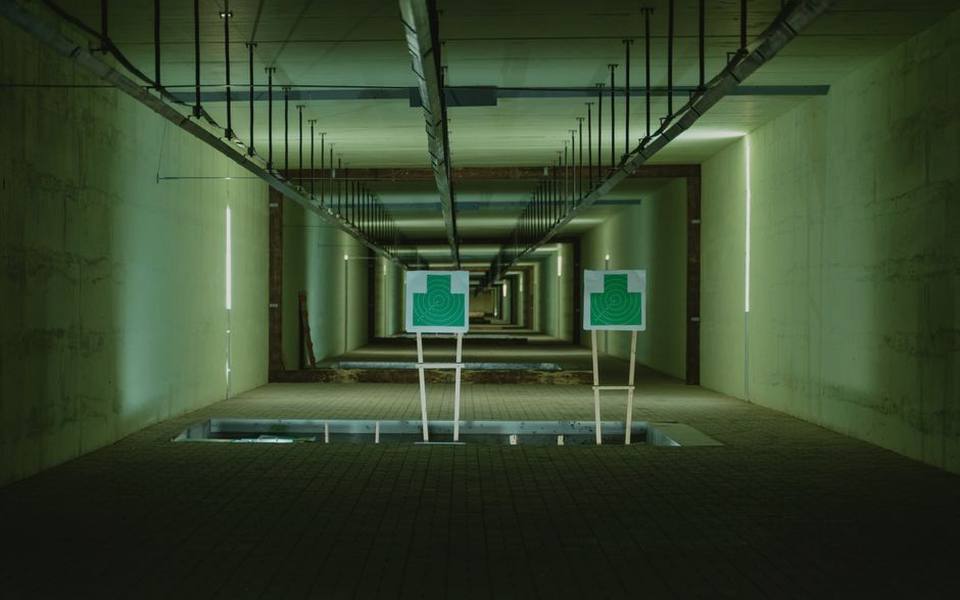
Bridging the gap between online entertainment and physical lane performance begins with recognizing the boundaries of social media. True skill is built on repetitive, often unglamorous mechanics rather than fifteen-second highlight reels. Visiting verified indoor shooting ranges gives enthusiasts a controlled, supervised environment where they can separate viral hype from sound fundamentals.
Unpacking the Target Practice Tongue Phenomenon and Concentration Tics
A recurring talking point across viral media involves shooters sticking their tongues out or displaying exaggerated facial expressions while focusing down sights. In internet communities, clips highlighting target practice tongue moments often get shared as jokes, relatable memes, or distinctive styling choices. Viewers often wonder whether this facial posture is an intentional habit, a quirky reflex, or an unconscious physiological response to high-stress concentration.
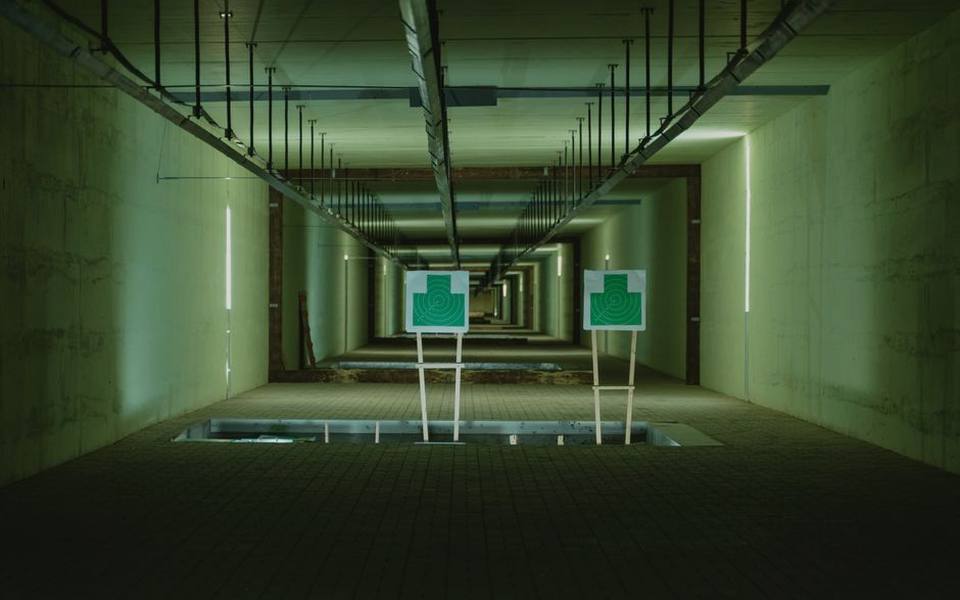
In sports science, this reaction is known as motor overflow, where intense concentration in the hands and upper body spills over into involuntary facial muscle activation. Children often stick their tongues out when learning to cut paper with scissors, and adults sometimes do the exact same thing when trying to steady their aim on a distant bullseye. It reflects extreme cognitive load and fine motor engagement rather than an intentional marksmanship technique.
While harmless in casual leisure settings, physical tension in the jaw, tongue, and neck can inadvertently impede smooth breathing and steady grip execution. Instructors typically advise shooters to relax their facial muscles, maintain steady nasal breathing, and unclench their jaws. Keeping your mouth neutrally closed prevents unnecessary head movement, protects soft tissue from sudden recoil jolts, and helps stabilize your overall shooting platform down the lane.
The Rise of Target Practice Clips Across Modern Platforms
The influx of target practice clips on video-sharing platforms like TikTok has introduced firearms to demographics that previously had little exposure to shooting sports. Viewers encounter everything from comedic first-time shooter reactions to highly polished competitive speed runs set to trending audio tracks. This accessibility demystifies the basic atmosphere of a firing bay, yet it can also normalize risky behaviors if viewers fail to spot subtle safety violations.
Algorithms inevitably reward dramatic visuals, which means feeds frequently surface rapid-fire strings, unconventional stances, and chaotic weapon handling that would never be tolerated at a well-run facility. Novices often arrive at their local lanes believing that fast draws, hip firing, or aggressive double-taps are standard practice. In truth, nearly all commercial facilities enforce strict pacing rules to ensure projectiles stay safely within the backstop.
Understanding media production helps put these viral clips into clear perspective. Creators often shoot multiple takes, edit out flinches or errant misses, and occasionally operate on private land where standard commercial lane rules do not apply. If you want to experience real shooting, searching for quality shooting lanes and firearm rentals lets you test modern platforms under the watchful eye of an experienced safety officer.
Range Safety Fundamentals Behind the Camera Lens
Bringing a smartphone or action camera to a live firing line introduces an immediate distraction that demands rigorous discipline. A significant percentage of range accidents and near-misses happen when shooters divert their focus from their firearm to adjust a tripod, check a screen, or wave at a lens. Range safety officers are trained to halt firing lines the moment a shooter turns sideways with a loaded weapon to check a camera angle.
The universal rules of firearm safety must never be compromised for social content: treat every firearm as loaded, keep your finger off the trigger until your sights are aligned, point the muzzle downrange at all times, and remain aware of your backstop. When filming, these rules become doubly critical because peripheral vision is naturally restricted by focusing on a screen or camera mount. The weapon must be cleared and cased before manipulating recording gear.
Most managed facilities post clear rules regarding media production inside their bays. Some prohibit tripods on the firing line entirely, while others permit casual recording as long as the device remains mounted securely behind the shooter. Prioritizing the lane environment ensures that neither you nor the shooters in adjacent bays are placed at risk by a dropped phone or an unthinking turn toward the lens.
Camera Etiquette and Facility Policies for Content Creators
Before setting up recording equipment at any shooting facility, always communicate directly with the staff and Range Safety Officer on duty. Range operators have legal and privacy obligations toward their members and visitors, many of whom prefer not to appear in background footage posted online. Asking permission first demonstrates professionalism, builds trust with the range crew, and clarifies exactly where recording equipment may be safely staged.
A common mistake among amateur content creators is setting tripods forward of the firing line, which is an immediate safety violation at any facility. Tripods and mount arms must always stay safely behind the shooter's bench or partition. If an adjustment is needed, the firearm should be completely unloaded, the slide locked open or cylinder cleared, and the weapon placed flat on the bench pointing directly downrange before stepping away.
Lighting and sound inside commercial shooting facilities also present unique recording challenges that casual creators often overlook. Indoor baffles and ventilation systems produce substantial background hum, while muzzle blasts easily distort smartphone microphones. Investing in dedicated wind mufflers or directional audio gear produces better educational clips without tempting you to lean closer to the firing line to capture cleaner sound.
Practical Marksmanship Drills That Build Genuine Skill
Moving past superficial internet trends requires committing your range sessions to structured, repeatable training drills. Simply slinging rounds downrange without an explicit objective burns through costly ammunition while reinforcing poor motor patterns. Diagnostic drills provide immediate feedback, pinpointing whether your misses stem from erratic trigger press, improper sight alignment, or anticipatory flinching.
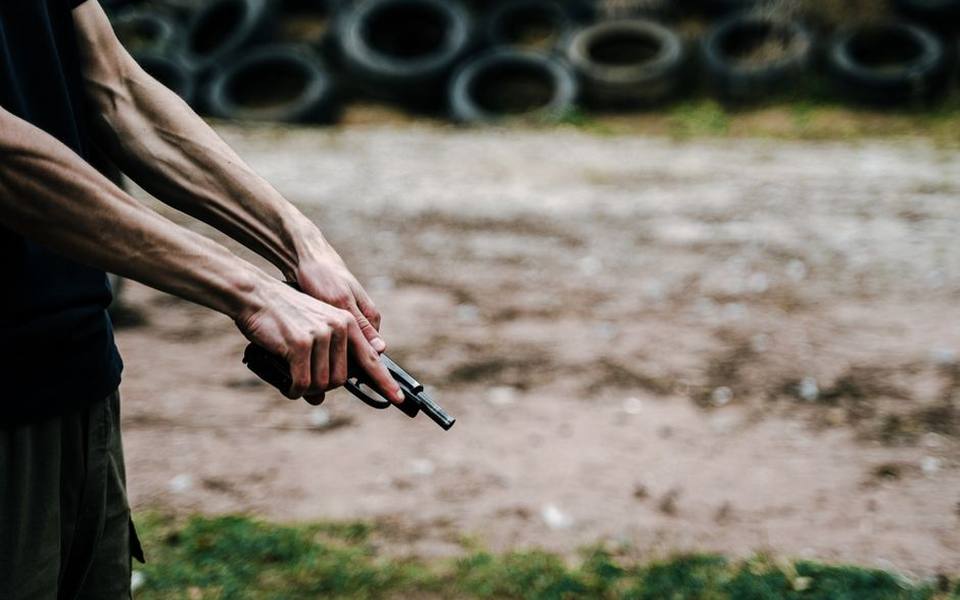
One of the most effective starting exercises is the classic ball-and-dummy drill, which instantly exposes flinch reactions. A partner randomly loads inert dummy rounds into your magazine alongside live ammunition, or you mix them in yourself with your eyes closed. When the firing pin drops on an inert cartridge, any violent dipping of the muzzle or sudden grip tightening becomes glaringly obvious to both you and your observer.
Another foundational exercise is the dot-torture drill or small-circle cadence test, shot at close distances like three to five yards. The drill forces the shooter to slow down, align sights cleanly on tiny two-inch circles, and deliver single, deliberate shots without rushing. Building tight groupings at close distances creates the mechanical discipline required to shoot effectively at longer ranges later on.
Diagnosing Common Grip and Stance Flaws Seen Online
Short-form clips are notorious for propagating outdated or inefficient shooting stances that compromise recoil mitigation. Viewers frequently see shooters adopting exaggerated bladed stances, leaning backward at the waist, or using the infamous teacup grip, where the support hand merely rests beneath the magazine floorplate. While these postures might appear relaxed on video, they fail to control the mechanical forces of modern defensive handguns.
A proper modern shooting platform relies on a thumbs-forward, high-tang grip where both hands wrap the frame to maximize surface contact. The meat of your support hand palm fills the void on the grip panel, while the wrists lock inward to create a natural vice against muzzle rise. Leaning slightly forward into the platform from the balls of your feet provides a solid athletic base that absorbs recoil naturally through your skeletal structure.
Self-recording can actually be a useful diagnostic tool when used specifically to analyze your mechanical form rather than chase views. Reviewing slow-motion clips of your own recoil recovery reveals whether your wrists are collapsing, whether your support hand is sliding loose, or whether your head is dropping down to meet the sights instead of raising the firearm to your eye line.
Sight Picture, Trigger Reset, and Cadence Control
In many viral clips, shooters fire as rapidly as their index finger can twitch, resulting in wide shot dispersions across the target backer. Real marksmanship requires understanding the relationship between sight picture validation and trigger reset. A controlled cadence means you only press the trigger as fast as you can consistently recover your front sight or optical dot back into the target scoring area.
Learning the tactile reset of your trigger mechanism prevents the common error of slapping the shoe between rounds. After a shot breaks, keep the trigger pinned to the rear through recoil, then let it forward only until you feel and hear the mechanical click of the reset. From that reset point, the trigger path is significantly shorter, reducing the potential to pull the muzzle off target during subsequent shots.
Practicing controlled rhythm drills helps synchronize your vision with your hands. Start by firing one shot every two seconds into a four-inch circle at seven yards, focusing entirely on a crisp sight picture. Gradually shorten the interval only as long as every single round remains within the boundary. When you establish rhythm through discipline, your target results will look far more impressive than chaotic rapid-fire videos.
Dry Fire Routines: Building Muscle Memory at Home
You do not need to spend hundreds of dollars on ammunition every week to develop exceptional marksmanship and weapon familiarity. Dry fire practice—operating an unloaded firearm in a safe home environment—is the single most effective way to refine trigger mechanics, sight stability, and grip transitions. Nearly all competitive and professional shooters perform far more dry repetitions than live-fire strings throughout the year.
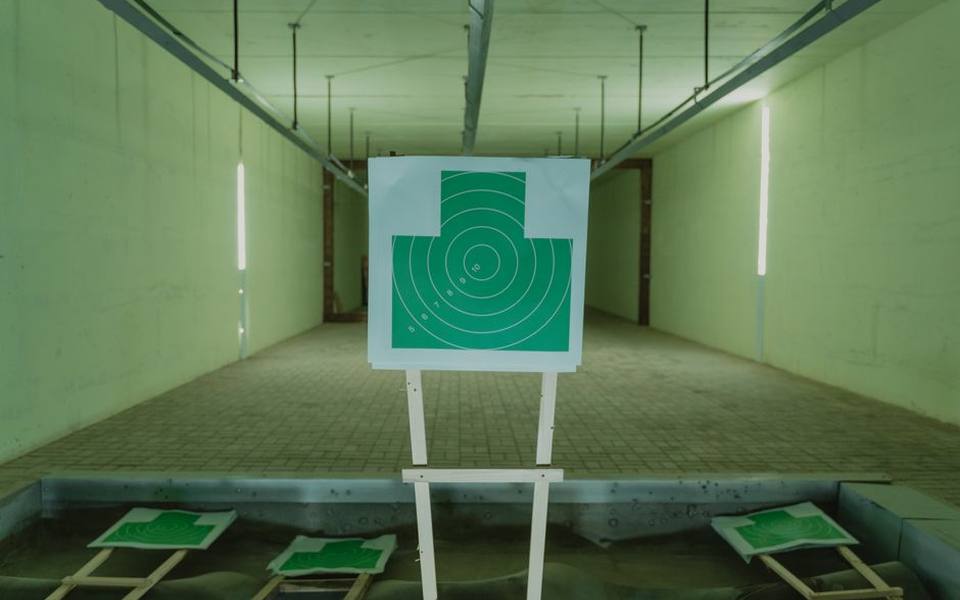
Safety during dry fire requires uncompromising discipline: remove all live ammunition from the room, visually and physically inspect the chamber and magazine well, and pick a designated safe direction with an adequate backstop, such as a concrete basement wall or a commercial bullet-absorbing backer. Once your practice area is confirmed sterile, hang a miniature target on the wall and begin your repetitions.
The wall drill is a classic dry-fire staple: hold the muzzle a mere two inches from a blank white wall with your sights aligned, then press the trigger smoothly without letting the front sight tip or twitch. Because there is no loud report or recoil to anticipate, your brain learns that pressing the trigger requires zero anticipatory muscle contraction, directly translating into smoother live fire at the range.
Finding Professional Instruction and Safe Local Facilities
While online videos can introduce interesting ideas, they are never a substitute for structured in-person instruction from a certified trainer. A qualified instructor spots subtle biomechanical errors, micro-flinches, and stance imbalances in real time, correcting bad habits before they become deeply ingrained muscle memory. Enrolling in beginner or intermediate classes saves you both time and wasted ammunition in the long run.
When you are ready to move from passive viewer to active participant, locating reputable shooting range facilities in your area is the logical first step. Quality facilities maintain well-ventilated bays, employ attentive safety personnel, and cultivate an inviting atmosphere where questions are answered clearly without condescension.
Whether you are interested in recreational target shooting, action-shooting competitions, or defensive handgun fundamentals, finding facilities with training or certification classes guarantees you build competence on a proven foundation. Stepping onto a live range with solid coaching transforms target practice from an online spectacle into an empowering, lifelong practical skill.
Published 2026-09-21 · reviewed with each rebuild, last September 2026.
Find shooting ranges near you
The directory lists 6,919 shooting ranges by state and city — pick your state or use the “Near me” button in the header.
More guides
-
 Safety
Can a Felon Go to a Shooting Range? Federal Rules, Range Policies, and Shooting Sports Explained
-
 Money
MoneyGun Range Costs and Rental Guide: Fees, Ammo, and What to Expect
-
 Safety
Concealed Carry Permit Costs, Classes, and Certification Guide
-
 Service
Pinning and Welding a Muzzle Device: Legal Standards and Technical Steps
-
 Buying
FFL Transfer Fees, Background Checks, and NFA Kiosks Explained
-
 Buying
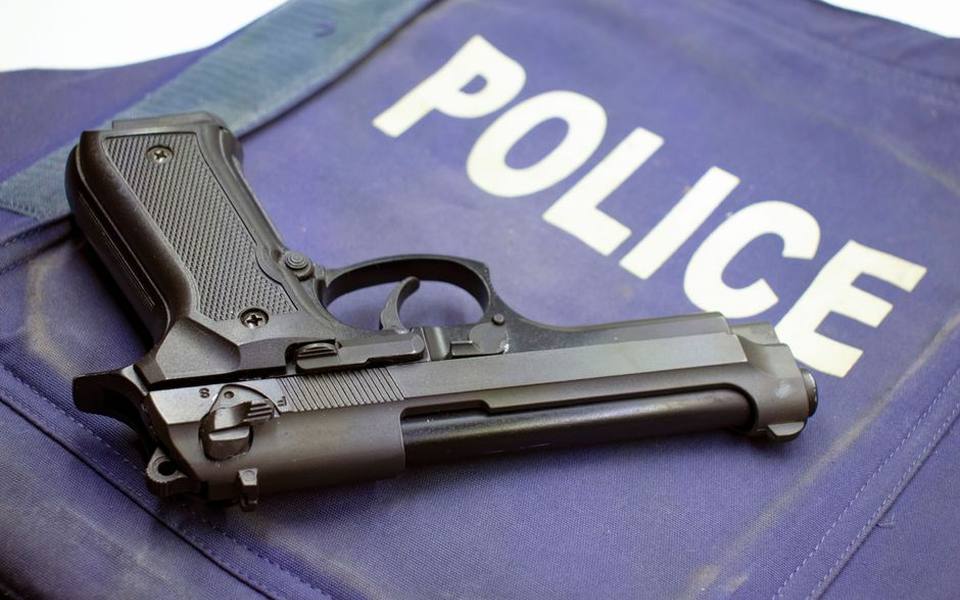
Where and How to Buy Police Trade-In Firearms Safely
-
 Owning
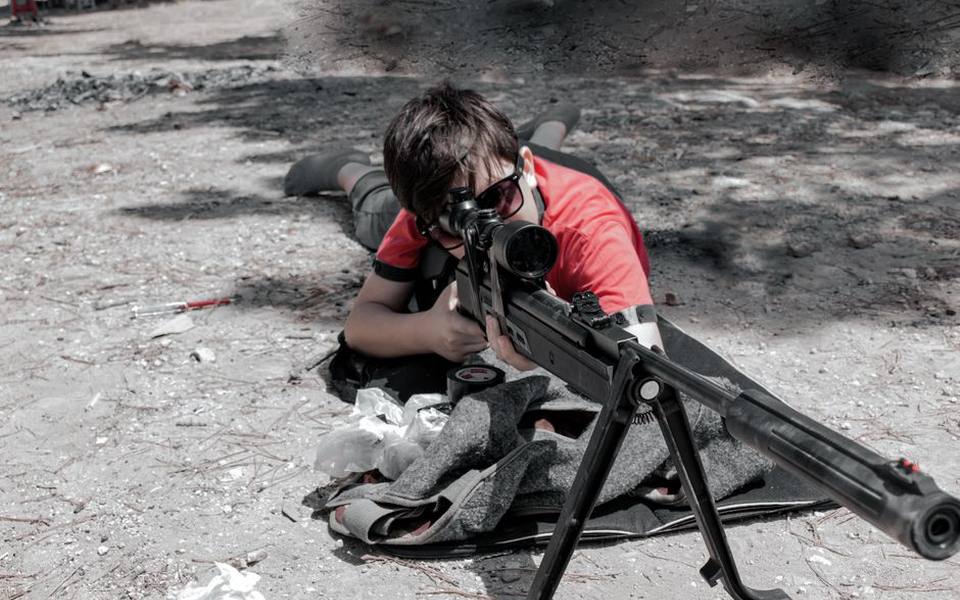
Beginner Guide to Long-Range Shooting: Distances, Tips, and Calculators
-
 Owning
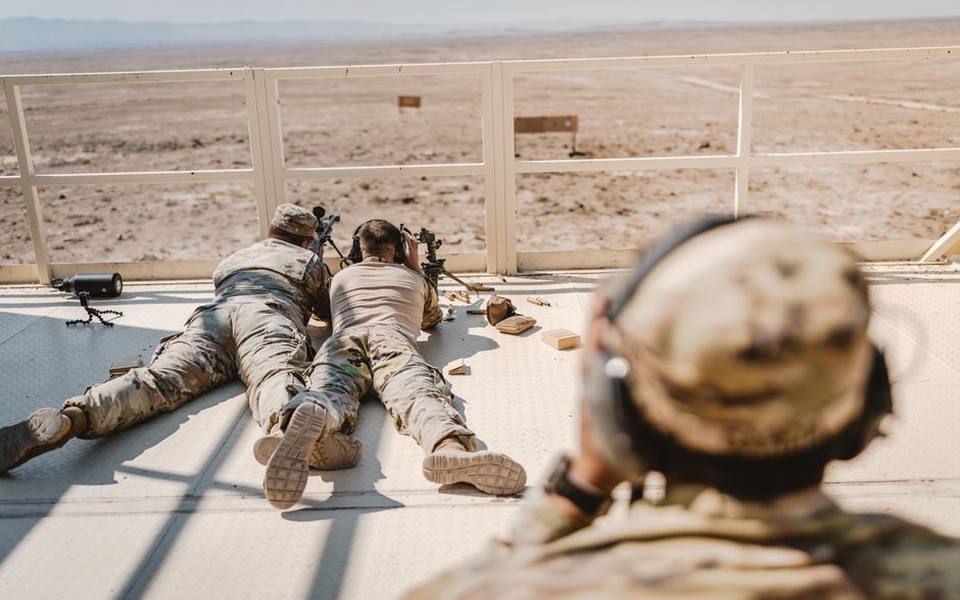
How to Choose the Best Outdoor Shooting Range for Your Needs
-
 Safety
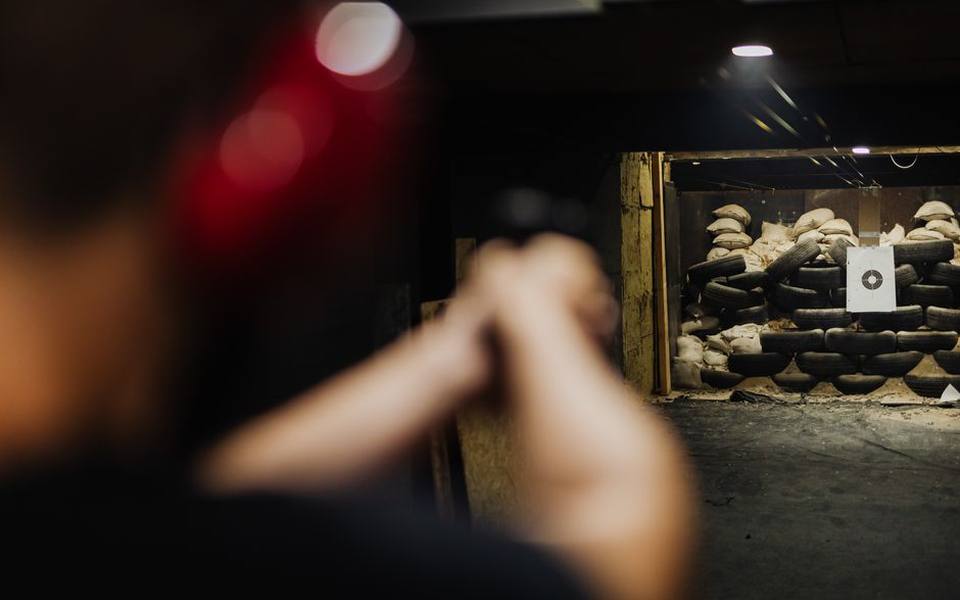
Indoor & Public Shooting Ranges: Etiquette, Costs, & Locating Ranges
-
 Safety
Gun Safety Courses, Hunter Education, and Concealed Carry Certification Guide
-
 Owning
Firearms Licensing, FOID Cards, and Background Checks: Verification, Processing, and Appeals
-
 Owning
Target Shooting Sports: Clay, Trap, Skeet, and Precision Rifle Disciplines
-
 Owning
Gun Cleaning Kits and Maintenance: Solvents, Bore Snakes, and Ultrasonic Cleaners
-
 Safety
Shooting Range Ear Protection & Custom Molded Earplugs
-
 Safety
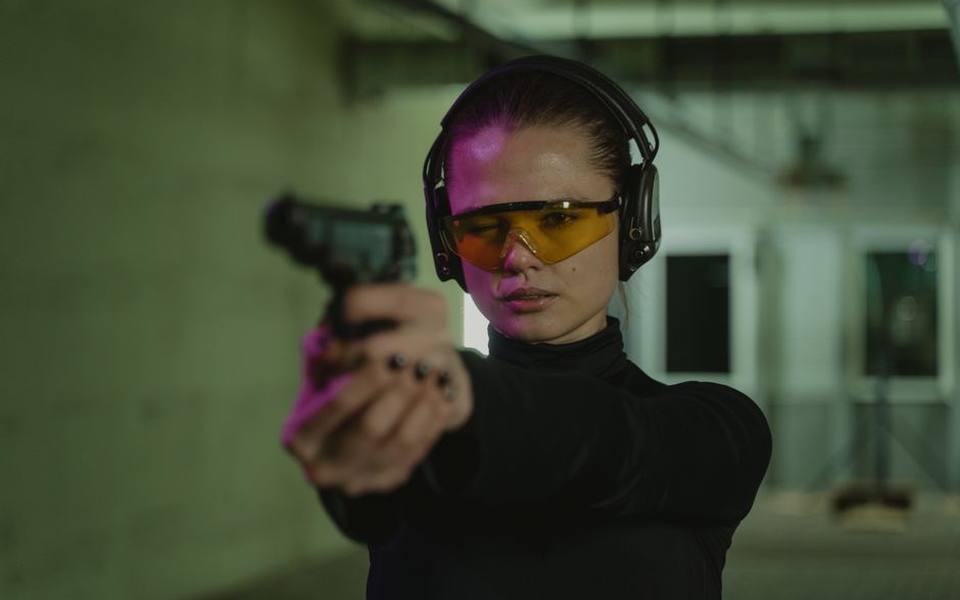
Tactical Firearms Training and Advanced Defense Courses Guide
-
 Owning
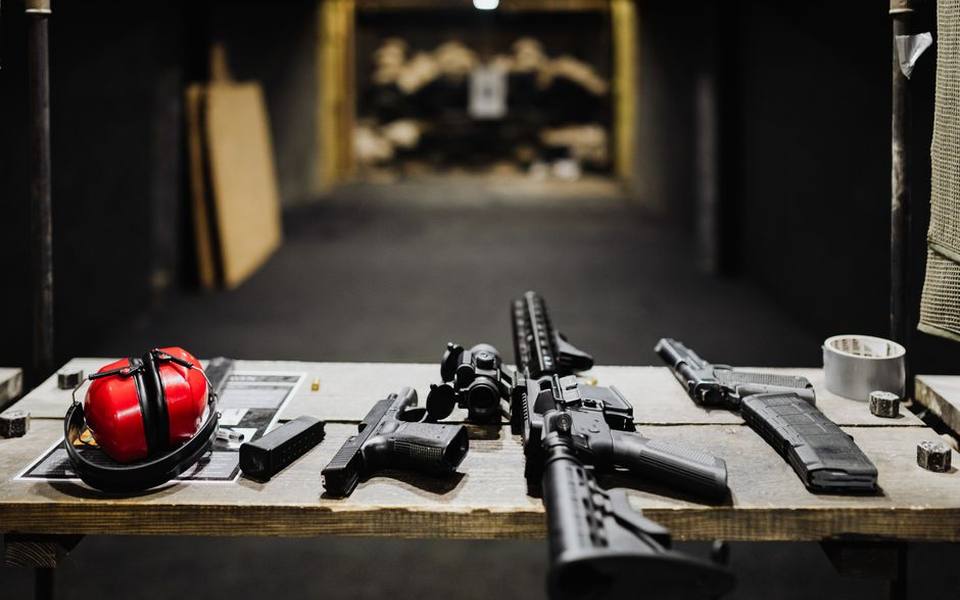
Shooting Range Accessories: Eye Protection, Range Bags, and Shooting Rests
-
 Owning
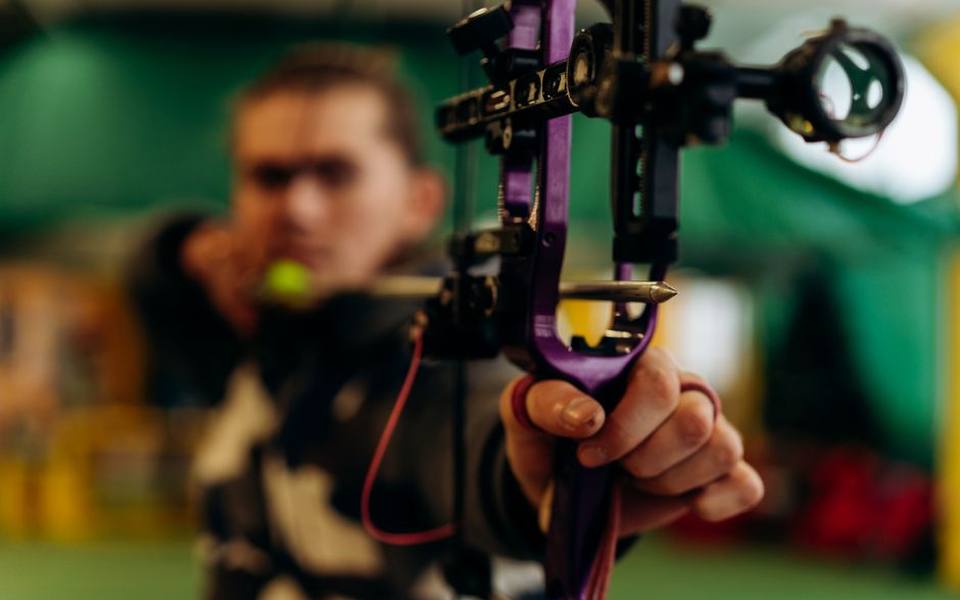
Indoor Archery and Crossbow Shooting: Practical Range Guide, Zeroing, and Gear
-
 Service
Gunsmithing Services: Firearm Restoration, Stock Refinishing, and Custom Work
-
 Storage
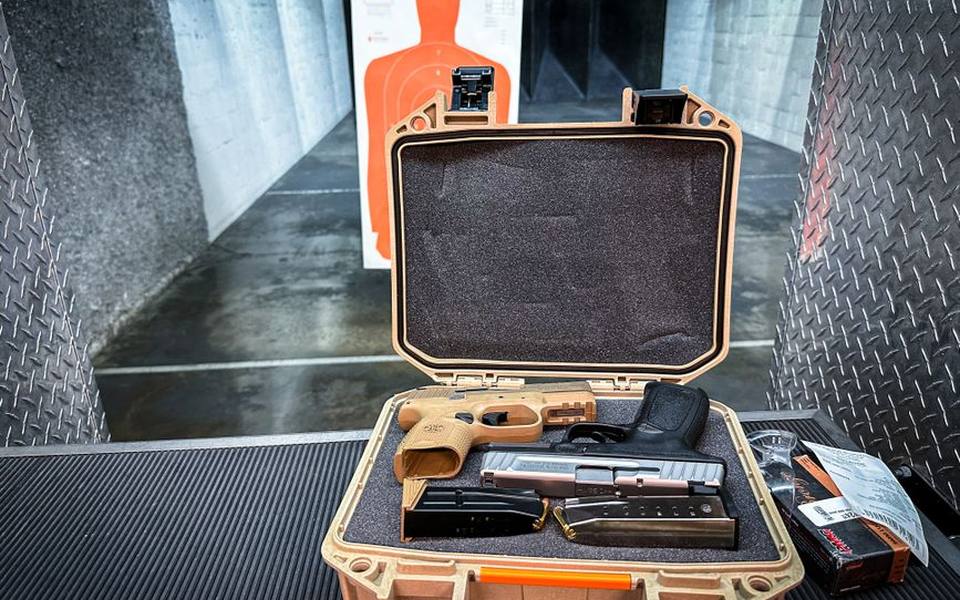
Gun Safes and Storage Solutions: Biometric Locks, Humidity, and Ammo Storage
-
 Safety
Custom Molded Hearing Protection and Shooting Earplugs Guide
-
 Owning
Modern Shooting Ranges, Home Simulators, and Training Memberships
-
 Buying
Shooting Gear, Target Optics, Tools, and Ballistics Essentials
-
 Owning
Firearm Licensing, Permits, Background Checks, and Guard Rules
-
 Safety
Firearms Training and Self-Defense Classes: Beginner to Advanced
-
 Owning
Custom Kydex Holsters Guide: Types, Revolver Fits, and Draw Techniques
-
 Safety
Tactical Defense Courses: Active Shooter Response, Medic Training, and Self-Defense
-
 Owning
Complete Guide to Kitchen Range Hood Venting, Ductwork, and Installation
-
 Service
Creative Birthday Photoshoot Ideas for Kids, Teens, and Adults
-
 Buying
Portable, Ductless, and Under-Cabinet Range Hood Selection Guide
-
 Buying
Commercial Kitchen Exhaust Hoods: Complete Selection and Ventilation Guide
-
 Safety
NRA Range Safety Officer Certification: Requirements, Training, and Field Expectations