Eye Protection Standards and Selecting the Right Safety Glasses
A proper pair of protective glasses is the single most critical personal safety item you will unpack at the firing line. Range regulations across the country mandate eye wear before stepping past the staging area, and standard everyday prescription frames or casual sunglasses generally do not meet necessary impact criteria. Range-ready safety glasses must comply with rigorous ballistic or industrial impact standards, typically certified under ANSI Z87.1 ratings or military specifications, which ensure the polycarbonate lenses can withstand high-velocity debris, ejected brass, unburned powder flakes, and catastrophic firearm malfunctions.
Choosing the best design involves balancing coverage, comfort, and optical clarity under varying lighting conditions. Wraparound frames provide vital lateral protection against stray brass ejected from neighboring firing stalls, which can easily slip behind flat lens profiles. The frame arms should sit flat against your temples so they do not break the acoustic seal of over-the-ear hearing protection, as thick plastic stems often create gaps that let harmful decibel spikes reach your eardrums during active fire sessions.
Lens tint should align with your specific shooting environment to prevent eye fatigue during extended drills. Clear lenses remain the universal baseline, offering maximum light transmission for dimly lit indoor lanes. Pale yellow or amber tints enhance contrast and depth perception against dark targets or overcast outdoor backdrops, while smoke or polarized gray lenses reduce harsh glare during bright afternoon sessions on outdoor rifle berms. Maintaining clean, scratch-free surfaces ensures your sight picture remains crisp and distortion-free from your first string of fire to your last.
Solutions for Corrective Lenses and Vision Clarity on the Line
Shooters who require corrective lenses often struggle to reconcile their everyday visual needs with the mechanical requirements of aiming. Conventional everyday glasses are usually crafted from materials like standard plastic or high-index glass that can shatter under direct impact, making purpose-built prescription shooting glasses an essential upgrade for long-term safety. Modern prescription safety eyewear utilizes shatter-resistant polycarbonate or proprietary optical polymers shaped to meet full impact standards while correcting for astigmatism, nearsightedness, or farsightedness across the entire field of vision.

A primary challenge for handgun and rifle shooters using iron sights is focal plane allocation, because the human eye cannot focus simultaneously on the rear notch, the front sight post, and a distant target. Optometrists familiar with shooting sports frequently recommend optimizing the dominant eye's lens for intermediate distance—roughly the reach of your extended arms—so the front sight post stays razor-sharp. The non-dominant eye can remain adjusted for distance vision to maintain clear target identification, creating a practical compromise that dramatically tightens groupings.
For shooters who prefer not to buy dedicated custom frames for every lighting scenario, modular frame systems offer a versatile alternative. These systems employ an internal prescription lens clip that snaps securely behind interchangeable outer ballistic shields of clear, yellow, or dark tints. Another popular approach involves oversized safety goggles engineered with deep side channels designed to fit cleanly over standard personal frames, providing a budget-friendly way to maintain required eye coverage without investing in bespoke prescription optics immediately.
Packing the Range Bag with Practical Essentials
A thoughtfully organized range bag eliminates frustrating interruptions and keeps you focused on your marksmanship fundamentals. When browsing local shooting range facilities, you will notice experienced shooters rarely carry generic duffels; they rely on structured bags with reinforced bottoms, heavy-duty zippers, and dedicated padded compartments. Compartmentalization keeps sensitive gear like precision optics and delicate handguns separated from greasy tools, lead-contaminated cleaning supplies, and abrasive ammunition boxes that could scratch finishes during transit.
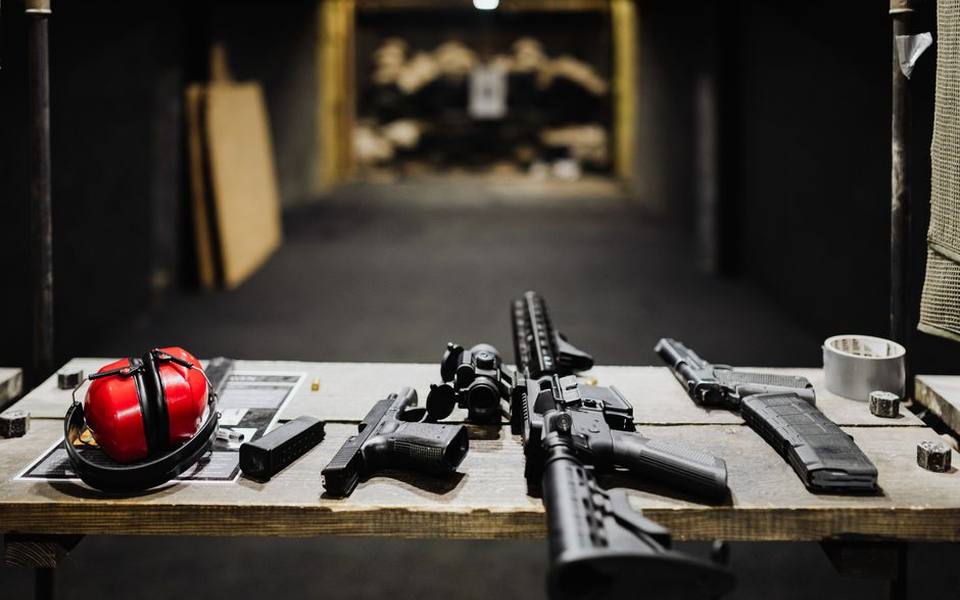
Your baseline loadout should begin with core safety equipment and personal care items. Beyond your primary eye and ear protection, always pack foam earplugs as backup hearing defense, a dedicated trauma kit with a tourniquet, pressure dressing, and hemostatic gauze, along with lead-removing cleansing wipes for post-session hygiene. Small support tools also prevent premature departures: a staple gun with spare staples, high-contrast adhesive target pasters, an extra battery for electronic muffs or red dot optics, and a simple multi-tool equipped with common hex bits to tighten loose scope rings or sight brackets.
Organizing internal storage by task makes bench workflow predictable and orderly. Keep ammunition and pre-loaded magazines grouped in bottom compartments to lower the center of gravity, preventing the bag from tipping over on narrow benches. Upper mesh pockets work best for documentation, range membership cards, logbooks, and chamber flags. Dedicating a small waterproof interior pouch for a compact cleaning rod and brass punch allows you to clear stubborn stuck casings safely on the line without needing assistance from range staff.
Firearm Safety Verification and Chamber Indicators
Maintaining a safe bench requires clear visual communication between shooters and safety officers, especially when the line goes cold for target retrieval. An empty chamber safety flag—often molded from vibrant neon polymer and shaped with a prolonged flexible probe—serves as an unambiguous signal that a firearm action is open, mechanically disabled, and clear of live rounds. Sliding the probe directly into the chamber allows the action to rest slightly open without closing, providing instantaneous visual verification to anyone inspecting the firing line from behind the safety boundary.
Range safety rules at most an indoor range enforce the use of chamber flags whenever firearms sit on the bench between relays or during ceasefires. Simply opening a slide or bolt is often insufficient from a distance, as low lighting or odd bench angles can obscure the breach opening. A bright flag protruding several inches out of the ejection port provides an obvious visual confirmation that eliminates confusion, reassuring adjacent lane occupants that no accidental discharge can occur while personnel are downrange.
Chamber indicators also serve a mechanical preservation purpose by preventing dirt, unburnt powder flakes, and ambient range dust from settling directly into the chamber throat while a rifle rests on the rack. Quality flags feature durable nylon tags hanging from the outer loop, offering an easy finger grip for rapid removal once the range goes hot. Keeping several flags inside your accessory pouch guarantees you will always remain compliant with standard range protocol regardless of which firearms you bring to the line.
Reloading Accessories and Managing Cylinder Handguns
Revolver shooting presents distinct rhythm and handling mechanics compared to modern semi-automatic platforms, making efficient ammunition management essential. Manually pressing individual cartridges into empty cylinder chambers quickly becomes tedious and slows down practice sessions, especially during structured timed drills. Utilizing a mechanical speed loader tailored to the ubiquitous 38 Special cartridge streamlines cylinder reloads, allowing all five or six cartridges to be seated and released simultaneously with a simple push or twist mechanism.
Choosing between rigid round speed loaders and flexible rubberized loading strips depends largely on your training goals and storage space. Circular speed loaders hold cartridges in the exact radial pattern of the cylinder, providing the fastest reload cycle on the bench, though their cylindrical bulk can crowd narrow range bag utility slots. Flexible speed strips lay completely flat in a pocket or pouch, feeding two rounds at a time into adjacent chambers, which makes them ideal for concealed carry practice even if they take a few extra seconds to cycle through a full cylinder.
Managing cylinder residue and keeping your staging tray clean enhances reliability throughout an extended shooting session. Cylinder flutes collect carbon blowby, which can build up on the ejector star and prevent fresh cartridges from seating flush if not wiped down periodically. Staging your loaded speed loaders upright in a dedicated bench organizer keeps loose ammunition free from bench grime and ensures smooth, consistent alignments when practicing fast, deliberate cylinder reloads.
Benchtop Stability and Mechanical Shooting Rests
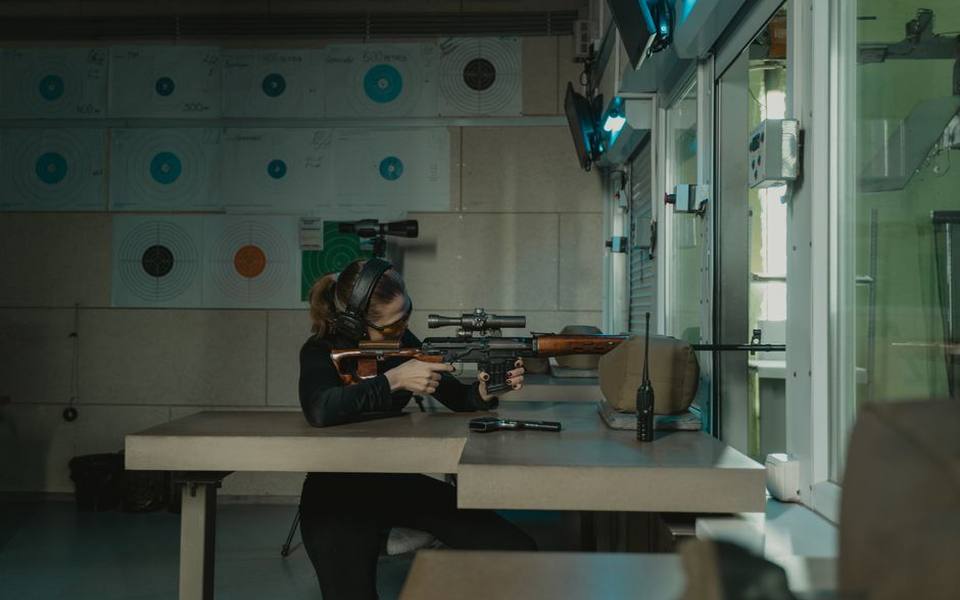
Isolating mechanical firearm accuracy from natural human movement requires a stable platform, which makes a dedicated shooting bench rest an indispensable tool for rifle sighting and ammunition testing. When zeroing a new rifle scope or evaluating custom handloads, natural body tremors, pulse beats, and fatigue can introduce false error into your shot placement. A heavy-duty mechanical rest provides a rigid metal foundation that anchors the forend securely, permitting fine elevation and windage adjustments through threaded screw jacks rather than muscle strain.
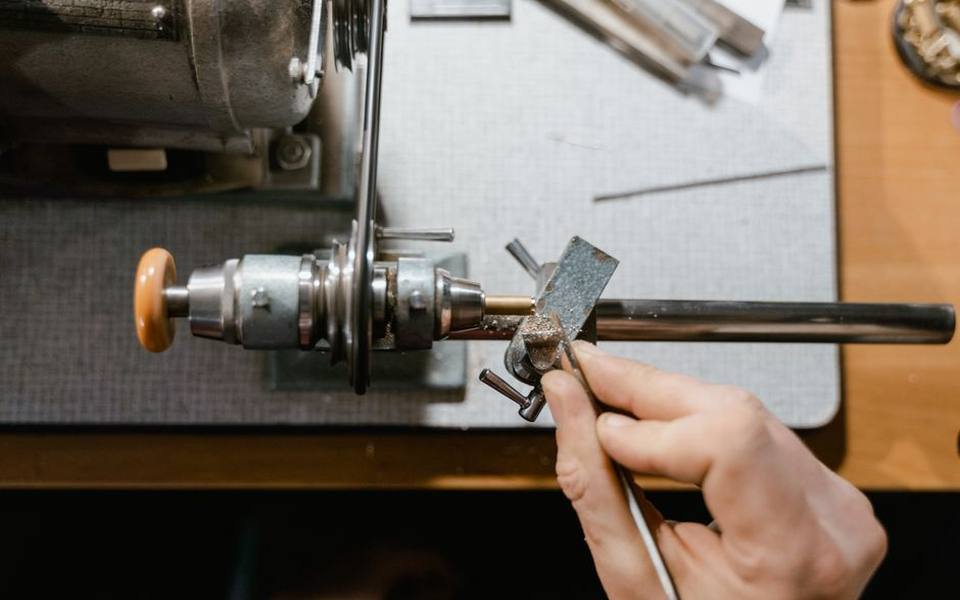
Mechanical front rests typically feature wide cast-iron or steel bases paired with three independently adjustable leveling feet to eliminate wobble on uneven concrete range surfaces. A contoured cradle lined with leather or smooth cordura cradles the rifle stock, preventing marring while allowing smooth, repeatable recoil movement straight back along the bore line. Advanced marksmen participating in benchrest disciplines or attending specialized training or certification classes frequently combine a heavy mechanical front rest with a micro-adjustable mariner wheel, enabling fingertip vertical adjustments down to fractions of an inch on distant bullseyes.
While full-length sled frames hold both the buttstock and forend together, allowing lead weight bags to absorb heavy recoil from magnum calibers, standalone front rests offer greater modularity for diverse firearm types. A two-piece system—consisting of a mechanical front rest and an independent rear squeeze bag—allows the shooter to position the rifle naturally, maintaining proper cheek weld and shoulder pocket pressure without altering their fundamental shooting posture.
Soft Rests and Sandbag Configurations for Stable Fire
For shooters who prefer lightweight, adaptable gear over cumbersome mechanical steel frames, shooting rest bags provide outstanding stability at a fraction of the weight and setup time. Traditional sandbag configurations conform organically to the contours of any rifle forend or pistol chassis, dampening ambient vibrations and absorbing recoil impulse cleanly. Sandbag rests range from pre-filled classic leather blocks to modern ballistic nylon modular bags equipped with carry straps and modular attachment points.
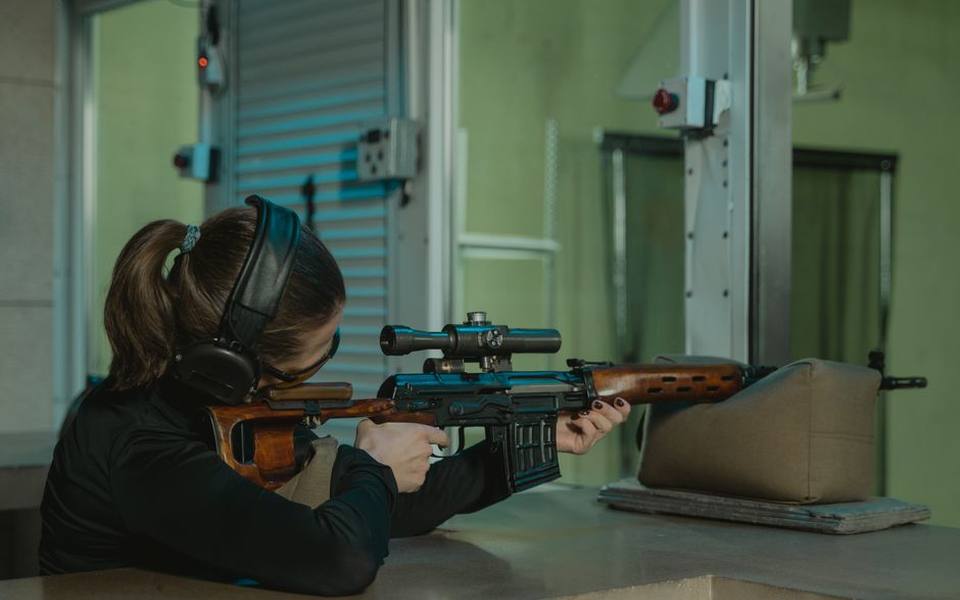
A standard bench setup usually pairs a medium-height front bag with a smaller, specialized rear bag featuring upright leather ears. The front bag supports the rifle forearm well ahead of the magazine well, while the rear bag rests directly beneath the buttstock toe. By gently squeezing the ears of the rear bag with your non-dominant support hand, you can raise or lower the rifle reticle smoothly across the target face without altering your trigger hand position, achieving ultra-precise vertical alignment through passive hand pressure alone.
Fill material plays a substantial role in portability and stability. While actual washed silica sand delivers maximum deadweight and anchor stability on windy days, its significant mass makes carrying multiple bags cumbersome. Many shooters now fill their cordura bags with specialized lightweight polymer media, crushed walnut hull, or smooth polypropylene plastic beads. These synthetic fills resist moisture absorption, prevent mildew inside the bag seams, and reduce overall range bag carrying weight while retaining the dense, moldable support necessary for rock-solid shooting strings.
Spotting Optics and Tripod Setups for Downrange Scoring
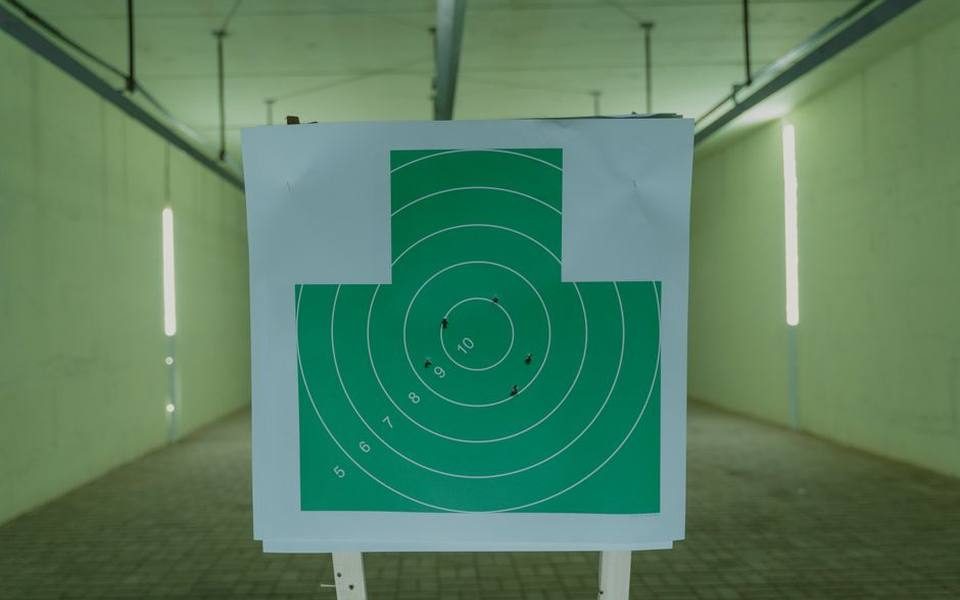
Checking target impacts through standard rifle scopes at distances beyond one hundred yards can strain the eyes and introduce parallax errors during target evaluation. A high-magnification spotting scope provides a clear, high-resolution view of minute bullet holes on paper targets or splatter marks on steel plates without requiring you to break your shooting position or wait for a scheduled range ceasefire. Spotting optics are especially valuable when evaluating subtle group dispersion during precision load development or wind adjustment practice.
Effective spotting scope use depends heavily on matching your glass quality and magnification to the distances you shoot. At moderate distances between fifty and one hundred yards, a compact optic with modest magnification provides a wide, bright field of view that quickly displays impacts. For long-distance rifle lanes out to several hundred yards, larger objective lenses measuring sixty-five to eighty millimeters or more are necessary to gather sufficient ambient light and resolve tiny bullet tears against dark target centers in fluctuating mirage conditions.
Even the finest optical glass is practically useless without a stable spotting scope tripod to isolate ambient vibration and wind drift. Benchtop tripods with compact folding legs work well when bench space allows, though they can transmit table reverberations caused by adjacent shooters firing heavy calibers. Full-height aluminum or carbon-fiber tripods placed directly on the floor eliminate bench recoil transfer, and pairing them with a smooth pan-and-tilt fluid head lets you track across multiple target berms seamlessly with minimal adjustment effort.
Transitioning to the Prone Position on the Firing Line
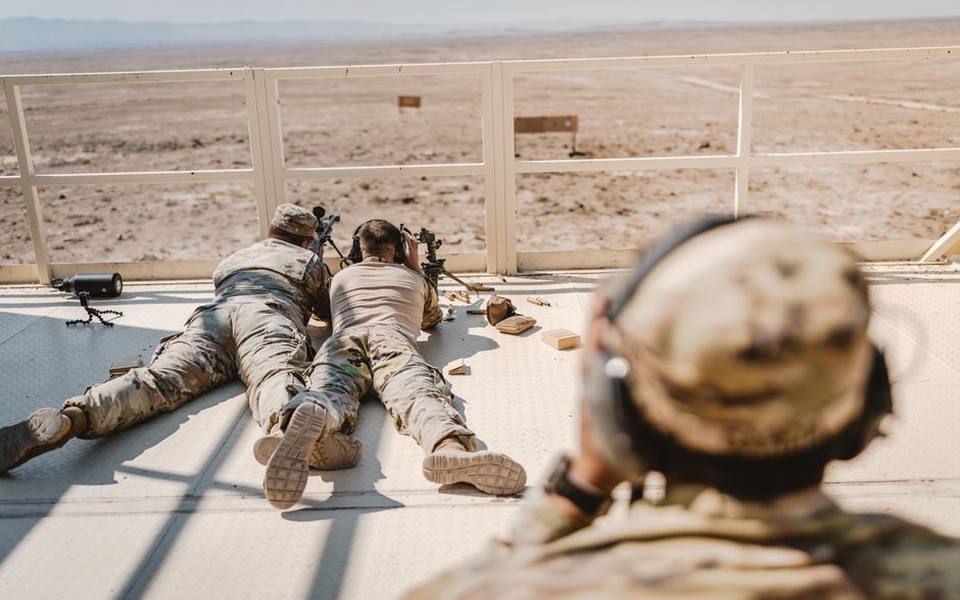
While shooting from a bench isolates accuracy, shooting from a prone position on the ground builds the fundamental stability used in field marksmanship, hunting, and tactical competition. The prone position provides the lowest center of gravity and the largest surface area of body contact with the ground, creating an inherently stable shooting platform. When checking regulations at shooting lanes and firearm rentals, confirm whether the facility permits prone shooting on rifle lanes, as lane geometry and target baffles often dictate allowed shooting heights.
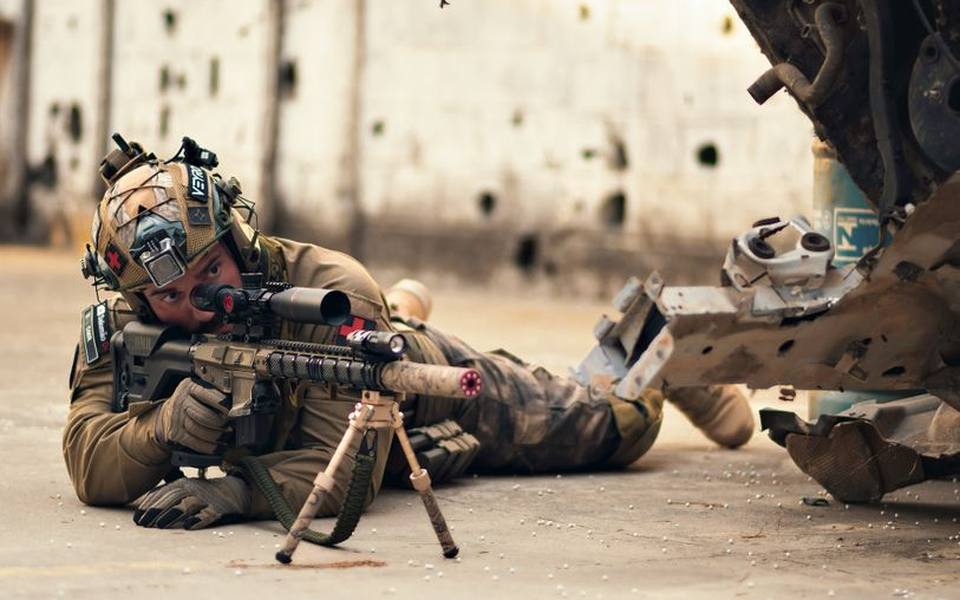
Setting up properly for prone shooting requires a dedicated shooting mat to protect your joints and clothing from rough concrete, gravel, damp soil, and scorching hot brass hulls ejected from neighboring lanes. High-quality mats incorporate textured rubber or synthetic friction pads positioned exactly where your elbows rest, preventing your upper body from sliding forward under recoil and ensuring a consistent shooting foundation from shot to shot.
Proper body alignment in the prone position minimizes reliance on muscle tension to hold the rifle on target. Align your torso directly behind the bore line or at a slight natural angle, letting your chest absorb recoil straight backward rather than twisting your spine. Using a compact front bipod paired with a soft rear squeeze bag under the buttstock establishes a stable three-point geometry, allowing you to relax your upper body, regulate your breathing cycle, and break clean shots without fighting involuntary muscle tremor.
Organizing and Maintaining Accessories for Long-Term Reliability
The conclusion of a successful range trip requires methodical breakdown and gear preservation to ensure your accessories remain dependable for your next visit. Rushing through the packing process often results in crushed eye protection, scratched scope lenses, or neglected firearms left with moisture trapped in transport cases. Establishing a standard post-shooting routine protects your equipment investment and guarantees that missing supplies are restocked before your next scheduled outing.
Begin by separating contaminated items from delicate gear. Eyewear lenses should be blown clear of loose grit before being wiped down with a microfiber cloth and stored inside a rigid protective case to prevent scratching. Range bags should be inspected for stray brass hulls, unburned powder residues, and empty magazine followers. Wiping down the exterior fabric and clearing debris from zipper teeth ensures smooth operation and prevents premature wear on stitching and seams.
Finally, restock all consumables immediately rather than waiting until the morning of your next range visit. Replenish your supply of adhesive target pasters, inspect your chamber flags for stress cracks, verify that your first-aid items remain sealed and sterile, and swap out fresh batteries in electronic ear protection or optical accessories. A well-maintained kit stored in a dry, climate-controlled environment guarantees you can head to the firing line at a moment's notice with complete confidence in your gear.
Published 2026-09-21 · reviewed with each rebuild, last September 2026.
Find shooting ranges near you
The directory lists 6,919 shooting ranges by state and city — pick your state or use the “Near me” button in the header.
More guides
-
 Safety
Can a Felon Go to a Shooting Range? Federal Rules, Range Policies, and Shooting Sports Explained
-
 Money
MoneyGun Range Costs and Rental Guide: Fees, Ammo, and What to Expect
-
 Safety
Concealed Carry Permit Costs, Classes, and Certification Guide
-
 Service
Pinning and Welding a Muzzle Device: Legal Standards and Technical Steps
-
 Buying
FFL Transfer Fees, Background Checks, and NFA Kiosks Explained
-
 Buying
Where and How to Buy Police Trade-In Firearms Safely
-
 Owning
Beginner Guide to Long-Range Shooting: Distances, Tips, and Calculators
-
 Owning
How to Choose the Best Outdoor Shooting Range for Your Needs
-
 Safety
Indoor & Public Shooting Ranges: Etiquette, Costs, & Locating Ranges
-
 Safety
Gun Safety Courses, Hunter Education, and Concealed Carry Certification Guide
-
 Owning
Firearms Licensing, FOID Cards, and Background Checks: Verification, Processing, and Appeals
-
 Owning
Target Shooting Sports: Clay, Trap, Skeet, and Precision Rifle Disciplines
-
 Owning
Gun Cleaning Kits and Maintenance: Solvents, Bore Snakes, and Ultrasonic Cleaners
-
 Safety
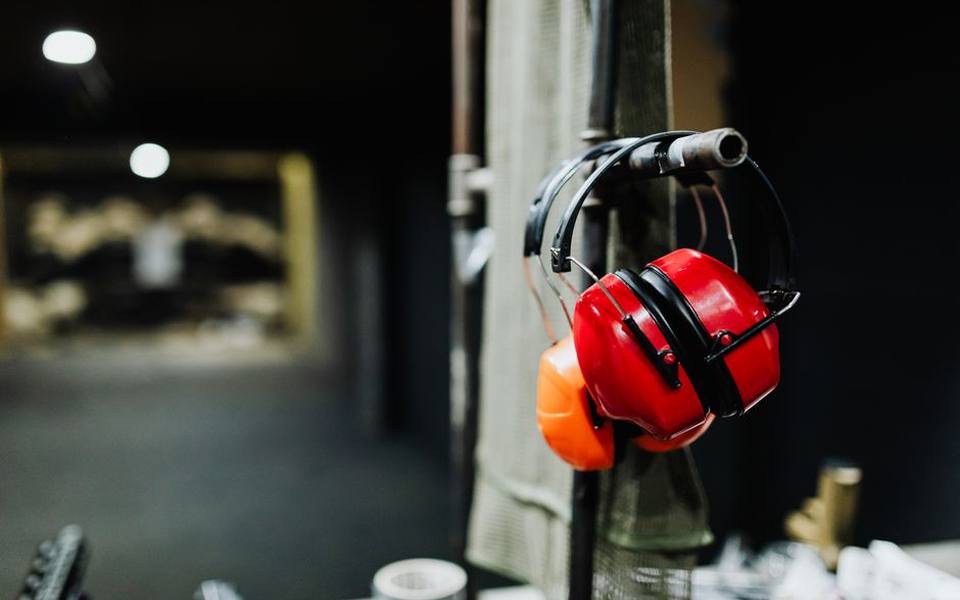
Shooting Range Ear Protection & Custom Molded Earplugs
-
 Safety
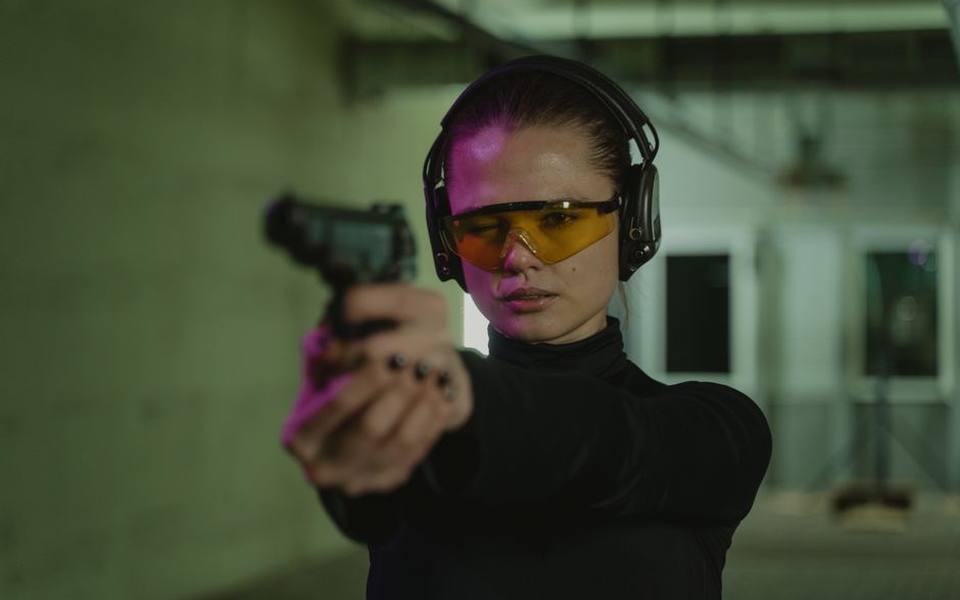
Tactical Firearms Training and Advanced Defense Courses Guide
-
 Owning
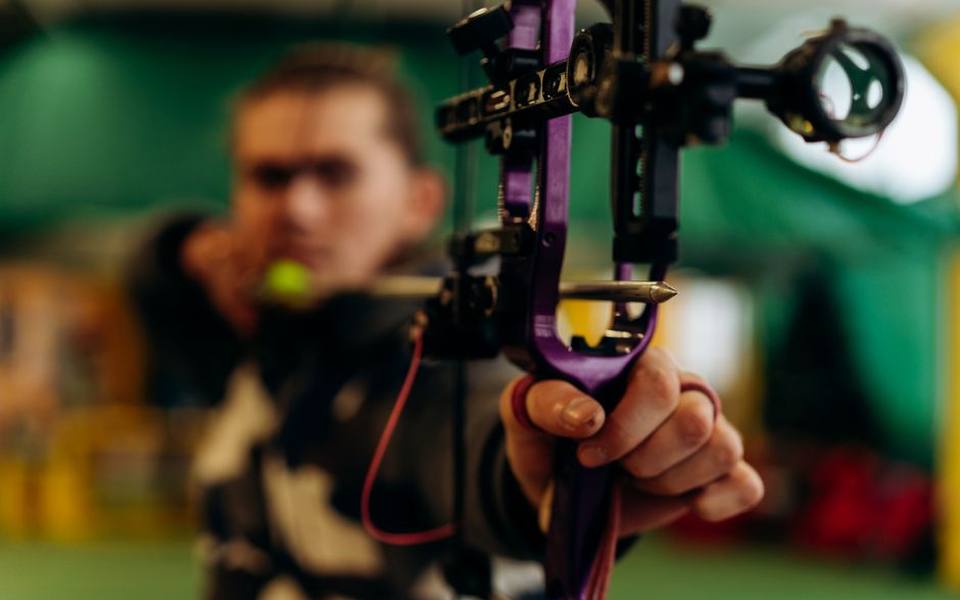
Indoor Archery and Crossbow Shooting: Practical Range Guide, Zeroing, and Gear
-
 Service
Gunsmithing Services: Firearm Restoration, Stock Refinishing, and Custom Work
-
 Storage
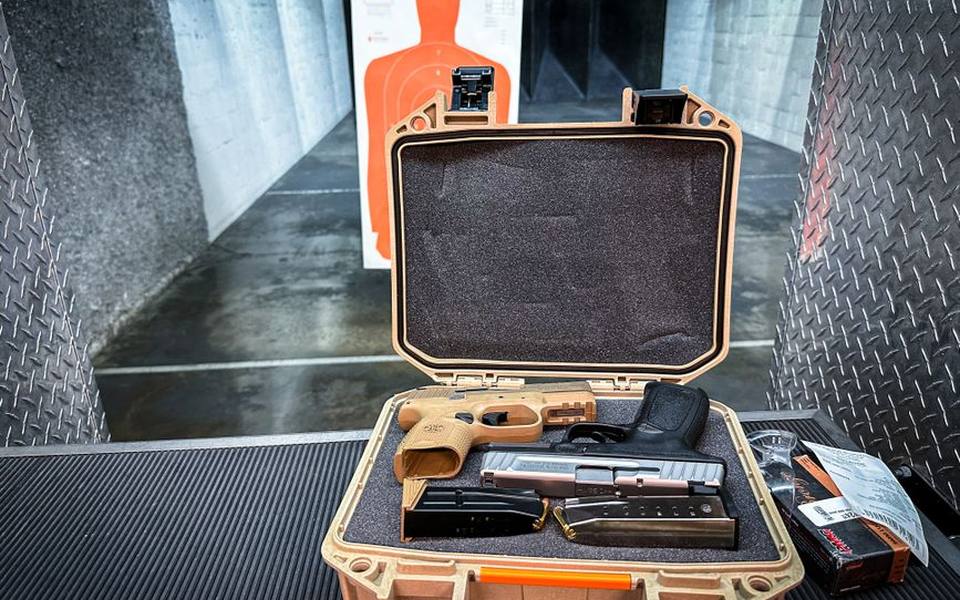
Gun Safes and Storage Solutions: Biometric Locks, Humidity, and Ammo Storage
-
 Safety
Custom Molded Hearing Protection and Shooting Earplugs Guide
-
 Owning
Modern Shooting Ranges, Home Simulators, and Training Memberships
-
 Buying
Shooting Gear, Target Optics, Tools, and Ballistics Essentials
-
 Owning
Firearm Licensing, Permits, Background Checks, and Guard Rules
-
 Safety
Firearms Training and Self-Defense Classes: Beginner to Advanced
-
 Safety
Target Practice in the Digital Age: Viral Trends, Range Etiquette, and Practical Drills
-
 Owning
Custom Kydex Holsters Guide: Types, Revolver Fits, and Draw Techniques
-
 Safety
Tactical Defense Courses: Active Shooter Response, Medic Training, and Self-Defense
-
 Owning
Complete Guide to Kitchen Range Hood Venting, Ductwork, and Installation
-
 Service
Creative Birthday Photoshoot Ideas for Kids, Teens, and Adults
-
 Buying
Portable, Ductless, and Under-Cabinet Range Hood Selection Guide
-
 Buying
Commercial Kitchen Exhaust Hoods: Complete Selection and Ventilation Guide
-
 Safety
NRA Range Safety Officer Certification: Requirements, Training, and Field Expectations