What the Range Safety Officer Certification Involves
The NRA Range Safety Officer (RSO) certification is a standardized credential designed to train individuals in supervising live-fire shooting activities on established ranges. Unlike general marksmanship programs, the RSO curriculum does not teach shooting techniques or marksmanship coaching. Instead, it focuses exclusively on range safety, operational oversight, and risk mitigation. Candidates learn how to organize, conduct, and supervise safe shooting activities on indoor and outdoor ranges, ensuring that facility policies and local protocols are strictly observed by all participants.
The role demands continuous situational awareness and an understanding of facility administration. Training covers standard operating procedures, site inspections, range safety briefings, emergency action plans, and the mechanical handling of common firearm malfunctions. For those interested in serving at commercial facilities or gun clubs, local shooting ranges offering classes and training regularly host certified Chief Range Safety Officers who deliver the standard curriculum.
Holding this credential establishes that you understand the formal framework necessary to prevent accidents before they happen. While an instructor helps a student improve trigger control and sight alignment, an RSO monitors the firing line, watches muzzle directions, enforces eye and ear protection, and steps in immediately if an unsafe condition develops.
Prerequisites and Eligibility Requirements
Candidates seeking RSO certification typically must be at least 21 years old to obtain formal credentialing from the national training organization. While teenagers and young adults can sometimes audit or attend safety seminars, official range oversight duties require the legal maturity associated with purchasing handguns and supervising adult shooters. Candidates must also be legally permitted to possess firearms in their home jurisdiction and pass any standard background checks required by local host ranges.

Prior shooting experience is practically necessary, even if not strictly quantified on paper. While you do not need to be an expert competitor, you must possess an intimate understanding of how different firearm actions operate. The course moves at a pace that assumes students already know the differences between revolvers, semi-automatic handguns, bolt-action rifles, lever actions, and pump-action shotguns.
Physical stamina and communication capabilities are also practical prerequisites. Serving on an active firing line involves standing for long shifts on concrete or packed gravel, speaking clearly above hearing protection, and maintaining focus in noisy, variable environments. Individuals must be capable of quickly stepping across lanes to assist a novice shooter or address an equipment jam.
Classroom Curriculum and Range Safety Standards
The standard RSO course curriculum typically spans nine hours of instruction, divided into distinct modules covering range layout, facility inspections, rule design, and emergency planning. Instructors review the physical characteristics of shooting facilities, teaching students how to inspect bullet traps, baffles, berms, and firing line markers before allowing shooters onto the line. Identifying worn target carriers, compromised backstops, or missing emergency gear is part of the morning setup routine.
A central component of the instruction focuses on Range Standard Operating Procedures (SOPs). Because rules vary between facilities, the course teaches candidates how to read, interpret, and enforce specific club guidelines. For instance, staff at indoor shooting ranges often have strict ventilation checks and specific caliber velocity limitations that outdoor rifle clubs never need to address.
Shooter intake and orientation briefings form another primary module. RSOs learn how to deliver concise, authoritative range rules to first-time visitors and experienced members alike. Topics include casing and uncasing procedures, bench etiquette, ceasefire compliance, and the steps a shooter must take if their firearm fails to discharge properly.
Range Commands and Firing Line Protocol
Clear, standard verbal commands form the backbone of range safety. The RSO course trains candidates to deliver standard calls that eliminate confusion across diverse groups of shooters. Standard calls include instructions for taking the line, preparing equipment, commencing fire, and making firearms safe. Candidates practice projecting their voices cleanly so that commands are unmistakable even when shooters wear dense earmuffs.
The command of "Cease fire!" is taught with particular gravity. The curriculum reinforces that anyone on the range can call a ceasefire if they observe an immediate hazard, but the RSO holds the responsibility for enforcing it instantly. The moment the call is made, all shooters must stop firing, keep their muzzles pointed downrange, finger off the trigger, and wait for explicit guidance.
Managing movement between hot and cold lines requires absolute discipline. The RSO learns to verify that all actions are locked open, magazines removed, chambers cleared, and chamber safety flags inserted before anyone steps forward of the firing line to post or retrieve targets. No one is permitted to handle firearms on the bench while individuals are downrange.
Clearing Stoppages and Action Malfunctions
A substantial portion of practical RSO instruction involves diagnosing and clearing firearm stoppages safely. When a gun fails to fire or cycle, a shooter's natural instinct is often to turn their body or wave the muzzle toward range staff to ask for help. RSOs are trained to intercept these reactions immediately, step to the shooter's bench, and maintain strict muzzle discipline while troubleshooting the problem.
Students practice handling routine feeding and extraction issues, including double feeds, stovepipes, and failure-to-fire scenarios. Instruction emphasizes treating every stoppage as a potential hangfire, requiring a mandatory wait period—typically at least thirty seconds—with the muzzle pointed downrange before cycling the action to eject a dud primer.
Recognizing squib loads is one of the most critical safety skills taught in the program. An underpowered cartridge that lodges a projectile partway down the bore can cause a catastrophic barrel failure if a follow-up round is fired. RSOs working at busy ranges with guns available to rent encounter thousands of rounds fired weekly, making rapid detection of faint recoil and muffled discharge sounds a life-saving habit.
Emergency Action Plans and Incident Response
Every shooting range must operate under a formal Emergency Action Plan (EAP), and the RSO is the frontline coordinator when an incident occurs. The course outlines the structural elements of an EAP, detailing how to assign roles, communicate with emergency services, and clear the firing line when an injury or facility hazard arises.
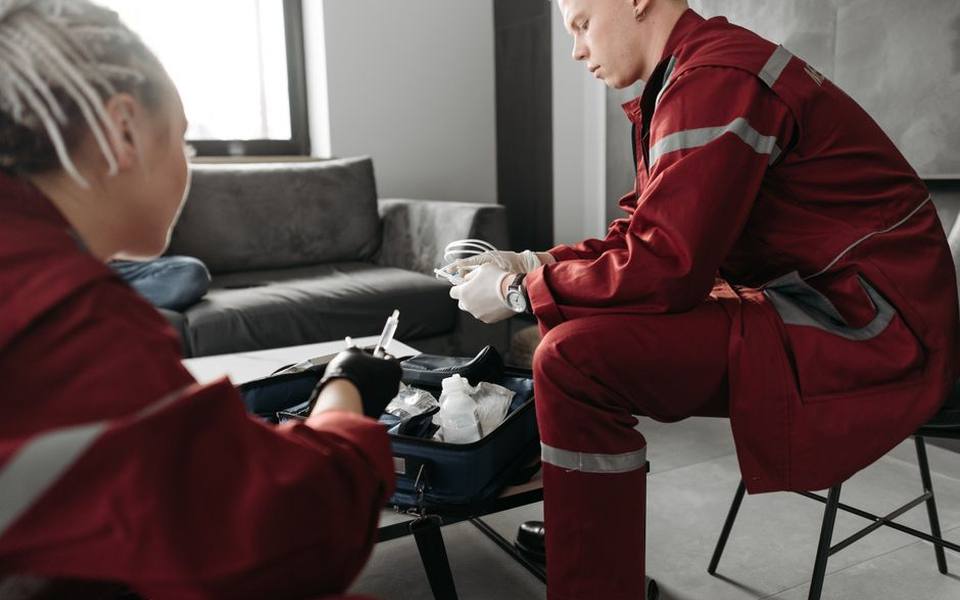
First aid preparedness is heavily emphasized throughout emergency planning modules. While the RSO certification itself is not a paramedic course, candidates are taught the necessity of readily accessible trauma kits, including tourniquets, pressure bandages, and chest seals. Knowing the exact GPS coordinates and physical access points for medical helicopters or ambulances at remote rural ranges is standard planning protocol.
Beyond medical events, the curriculum covers structural crises like range fires, electrical failures, severe weather, and structural ricochets. Students learn how to preserve evidence and write factual, objective incident reports if equipment fails or a patron suffers an injury, protecting both the injured party and the facility from inaccurate reporting.
Course Formats and Testing Expectations
The traditional route to certification is an in-person, full-day seminar led by a Chief Range Safety Officer (CRSO). This setting allows for hands-on interaction, peer role-playing, and immediate instructor feedback during stoppage simulations. For current certified firearm instructors who already hold basic credentials, an online training portal is also available, covering the administrative modules digitally.
Hands-on exercises utilize inert training ammunition (dummy rounds) rather than live fire. Candidates work through clearing protocols across various action types, demonstrating that they can safe a firearm without placing their fingers on the trigger or letting the muzzle sweep adjacent lanes. This practical component ensures students possess the mechanical dexterity to back up theoretical knowledge.
The course concludes with a comprehensive, open-book examination based on the student handbook. Students typically must score 90 percent or higher to receive their qualification. Following the test, the instructor reviews every missed question as a group, ensuring that all safety ambiguities are cleared up before paperwork is submitted to the national training portal.
Working at Commercial Facilities Versus Private Clubs
The day-to-day duties of an RSO depend heavily on the operating environment. At modern commercial facilities offering shooting lanes and firearm rentals, RSOs often function as both safety supervisors and customer support staff. They answer technical questions from novice shooters, verify lane rentals, monitor lane time limits, and watch for signs of shooter fatigue or stress.
At private member clubs and outdoor sporting organizations, RSO duties are often managed by volunteers or assigned to members during competitive matches. An RSO at a weekend practical pistol match, trap shoot, or high-power rifle match focuses primarily on running the timer, enforcing boundary lines, and keeping spectators well behind the active firing point.
Insurance considerations drive the demand for certified staff across both environments. Many commercial liability insurance carriers require that an active, certified safety officer be on duty whenever the public firing line is hot. As a result, earning your RSO credential makes you an attractive candidate for hire or club leadership.
Credential Maintenance and Continuing Paths
Achieving your RSO status is not a one-time, lifetime credential. The certification typically remains active for a period of two years, after which the holder must renew their credentials through the governing organization's online portal. Renewal generally involves paying a standard administrative fee and confirming that you remain legally qualified to handle firearms in your state.
Maintaining active involvement on an active range helps keep your skills sharp between renewal cycles. Standard operating procedures, range equipment, and medical safety gear evolve over time. Participating in local club workdays, observing different disciplines, and regularly reviewing updated training manuals ensures your line management habits remain current.
For those who wish to expand their role further, the RSO certification serves as the prerequisite for becoming a Chief Range Safety Officer (CRSO). A CRSO is authorized to train, evaluate, and certify new Range Safety Officers, developing internal safety programs and training teams of volunteer or professional range staff across entire facilities.
Building Line Authority and Practical Confidence
A successful RSO balances firm authority with approachable customer service. Range safety officers are not drill sergeants; their primary goal is to foster an environment where people feel comfortable asking for assistance when a firearm malfunctions or when they feel unsure about an operating procedure.
When correcting safety violations, calm and direct language works best. Yelling across the line is reserved for imminent danger; routine corrections—such as reminding a shooter to keep their finger off the frame until on target—are best handled with a quiet, polite word at the shooting bench. De-escalating tense moments keeps the entire firing line relaxed and cooperative.
Whether you plan to volunteer at a rural conservation club or seek employment at busy public shooting range facilities, the RSO certification provides the procedural foundation necessary to run a smooth, safe firing line. It transforms casual firearm hobbyists into disciplined safety leaders respected by staff and shooters alike.
Published 2026-09-21 · reviewed with each rebuild, last September 2026.
Find shooting ranges near you
The directory lists 6,919 shooting ranges by state and city — pick your state or use the “Near me” button in the header.
More guides
-
 Safety
Can a Felon Go to a Shooting Range? Federal Rules, Range Policies, and Shooting Sports Explained
-
 Money
MoneyGun Range Costs and Rental Guide: Fees, Ammo, and What to Expect
-
 Safety
Concealed Carry Permit Costs, Classes, and Certification Guide
-
 Service
Pinning and Welding a Muzzle Device: Legal Standards and Technical Steps
-
 Buying
FFL Transfer Fees, Background Checks, and NFA Kiosks Explained
-
 Buying
Where and How to Buy Police Trade-In Firearms Safely
-
 Owning
Beginner Guide to Long-Range Shooting: Distances, Tips, and Calculators
-
 Owning
How to Choose the Best Outdoor Shooting Range for Your Needs
-
 Safety
Indoor & Public Shooting Ranges: Etiquette, Costs, & Locating Ranges
-
 Safety
Gun Safety Courses, Hunter Education, and Concealed Carry Certification Guide
-
 Owning
Firearms Licensing, FOID Cards, and Background Checks: Verification, Processing, and Appeals
-
 Owning
Target Shooting Sports: Clay, Trap, Skeet, and Precision Rifle Disciplines
-
 Owning
Gun Cleaning Kits and Maintenance: Solvents, Bore Snakes, and Ultrasonic Cleaners
-
 Safety
Shooting Range Ear Protection & Custom Molded Earplugs
-
 Safety
Tactical Firearms Training and Advanced Defense Courses Guide
-
 Owning
Shooting Range Accessories: Eye Protection, Range Bags, and Shooting Rests
-
 Owning
Indoor Archery and Crossbow Shooting: Practical Range Guide, Zeroing, and Gear
-
 Service
Gunsmithing Services: Firearm Restoration, Stock Refinishing, and Custom Work
-
 Storage
Gun Safes and Storage Solutions: Biometric Locks, Humidity, and Ammo Storage
-
 Safety
Custom Molded Hearing Protection and Shooting Earplugs Guide
-
 Owning
Modern Shooting Ranges, Home Simulators, and Training Memberships
-
 Buying
Shooting Gear, Target Optics, Tools, and Ballistics Essentials
-
 Owning
Firearm Licensing, Permits, Background Checks, and Guard Rules
-
 Safety
Firearms Training and Self-Defense Classes: Beginner to Advanced
-
 Safety
Target Practice in the Digital Age: Viral Trends, Range Etiquette, and Practical Drills
-
 Owning
Custom Kydex Holsters Guide: Types, Revolver Fits, and Draw Techniques
-
 Safety
Tactical Defense Courses: Active Shooter Response, Medic Training, and Self-Defense
-
 Owning
Complete Guide to Kitchen Range Hood Venting, Ductwork, and Installation
-
 Service
Creative Birthday Photoshoot Ideas for Kids, Teens, and Adults
-
 Buying
Portable, Ductless, and Under-Cabinet Range Hood Selection Guide
-
 Buying
Commercial Kitchen Exhaust Hoods: Complete Selection and Ventilation Guide