What to expect when arriving at an indoor or public shooting range
Walking into a shooting facility for the first time is a structured process designed around safety and accountability. Before touching any equipment, visitors report directly to the check-in counter to present valid government-issued photo identification and sign a liability waiver. In most facilities, this waiver outlines lead exposure risks, firearm handling rules, and emergency procedures. First-time guests are typically asked about their prior handling experience so staff can gauge whether an introductory orientation is necessary before issuing a lane assignment.
After administrative check-in, the desk officer confirms what equipment you brought and whether you need rental gear or hearing and eye protection. Range personnel routinely inspect cased firearms and personal ammunition to ensure they comply with facility-specific caliber and velocity restrictions. Once cleared, you receive your assigned lane number, a target backing carrier or retrieval code, and a brief reminder regarding the house rules before you enter the soundproof transition airlock.
Public and municipal ranges run by county departments or state wildlife agencies follow a similar philosophy but often feature a more self-directed arrival flow. At an outdoor public venue, you may encounter an on-duty range safety officer who checks you in at a central pavilion rather than an indoor retail counter. Regardless of the venue type, clear communication at the desk sets the tone for a safe, low-stress session.
Indoor range construction, ventilation, and pistol lane layout
Modern indoor shooting ranges rely on sophisticated engineering to maintain a safe, clean environment for shooters and staff alike. The core of any indoor facility is its ventilation system, which pulls conditioned air from behind the firing line downrange at a steady velocity. This laminar airflow carries airborne lead particles, unburned powder residue, and carbon monoxide away from the shooter toward industrial filtration banks, preventing hazardous inhalation during high-volume shooting.
Individual shooting stalls are separated by ballistic-rated partition walls, typically lined with sound-dampening acoustic panels or heavy steel sheeting. These barriers protect adjacent visitors from side-ejected brass casings and muzzle blast concussions. Each booth usually includes a forward shooting shelf to support your range bag, ammunition boxes, and rest blocks, along with an electronic or motorized pulley system to position paper targets at customizable distances.
Most dedicated handgun bays operate at maximum distances ranging from fifteen to twenty-five yards. These distances are ideal for zeroing defensive handguns, testing grip techniques, and practicing close-range target transitions. The backstop downrange typically consists of a granulated rubber berm or angled steel bullet trap designed to capture pistol-caliber projectiles safely without generating dangerous ricochets or lead fragmentation.
Contrasting public shooting ranges with commercial indoor facilities
Choosing between a municipal public range and a private commercial range comes down to your shooting goals, budget, and desired level of amenities. Commercial indoor venues emphasize year-round climate control, clean retail lounges, equipment sales, and on-site gunsmithing. Because they cater heavily to everyday hobbyists and commuters, they are usually located in accessible commercial zones with extended evening and weekend hours.
Public outdoor ranges, often operated by conservation departments or county parks, deliver a very different experience. These venues offer wide-open berms, natural light, and the freedom to shoot in fresh air, but visitors must contend with changing weather conditions, wind drift, and seasonal closures. Public properties also tend to feature fewer staff members per lane, meaning users must practice heightened self-discipline and follow rigid cease-fire intervals called over a loudspeaker.
Financial models diverge significantly between the two formats. Commercial facilities generally charge by the hour or half-hour, with variable rates depending on the day of the week. Public ranges typically charge a modest daily flat rate, and some state wildlife properties allow access simply with the purchase of an annual hunting or conservation stamp.
Understanding lane rental costs, time blocks, and hidden fees
Budgeting for range day requires looking beyond the initial lane rental rate posted on a counter sign. While an hourly stall fee typically falls within a modest range, incidental expenses can add up quickly. Most commercial facilities charge by the individual, meaning if two people share one stall, the facility frequently adds a second-shooter surcharge that represents roughly half the primary lane price.
Ammunition is often the largest single expense during any practice session. When bringing your own firearm, most establishments allow you to supply factory-boxed target rounds, though steel-core, armor-piercing, and tracer rounds are universally banned. However, if you rent a firearm from the facility counter, range policies almost universally mandate that you purchase their house ammunition to prevent damage caused by improperly loaded third-party handloads.
Eye and ear protection rentals, paper targets, cardboard backers, and target clips represent minor extra expenses that can surprise new shooters. Buying high-visibility paper targets and durable eye protection beforehand saves money over multiple visits. If you are comparing regional prices, consulting a comprehensive directory of local shooting range facilities helps you benchmark lane rates before driving across town.
Destination shooting and specialty machine gun packages
In tourist destinations such as Nevada and South Florida, a specialized category of shooting entertainment has emerged alongside conventional practice ranges. Visitors looking for a curated machine gun experience in Las Vegas can step into heavily themed venues that offer packages featuring historical submachine guns, modern military rifles, and belt-fed platforms. These experiences are structured as guided attractions rather than standard open-bay target practice sessions.
Similarly, travelers looking for a machine gun experience in Miami will find high-end experiential lounges staffed by certified instructors who manage every phase of firearm operation. In these commercial destination centers, customers do not manipulate magazines or clear malfunctions independently. A dedicated safety specialist stands directly beside the guest, loading the weapon, setting stance, and controlling the firing rate to ensure maximum safety.
Pricing for these entertainment packages is structured differently than standard lane rentals. Instead of paying an hourly fee, customers buy tiered packages based on the specific historical or tactical firearms chosen and total round counts. While the per-minute cost is significantly higher than regular marksmanship training, these operations provide rare access to fully automatic hardware that typical civilian shooters rarely encounter.
Navigating regional range hubs across the country
Shooting facility accessibility varies widely depending on state regulations and local population density. In Florida, recreational shooting is supported by extensive infrastructure catering to residents and seasonal travelers. Those seeking an indoor shooting range in Tampa will discover expansive commercial complexes combining multi-lane bays with full-service pro shops, while shooters visiting an indoor shooting range in Orlando often encounter venues blending tourist rental programs with local training academies. Further northwest, finding an indoor shooting range in Pensacola typically connects shooters with military-friendly facilities geared toward defensive training.
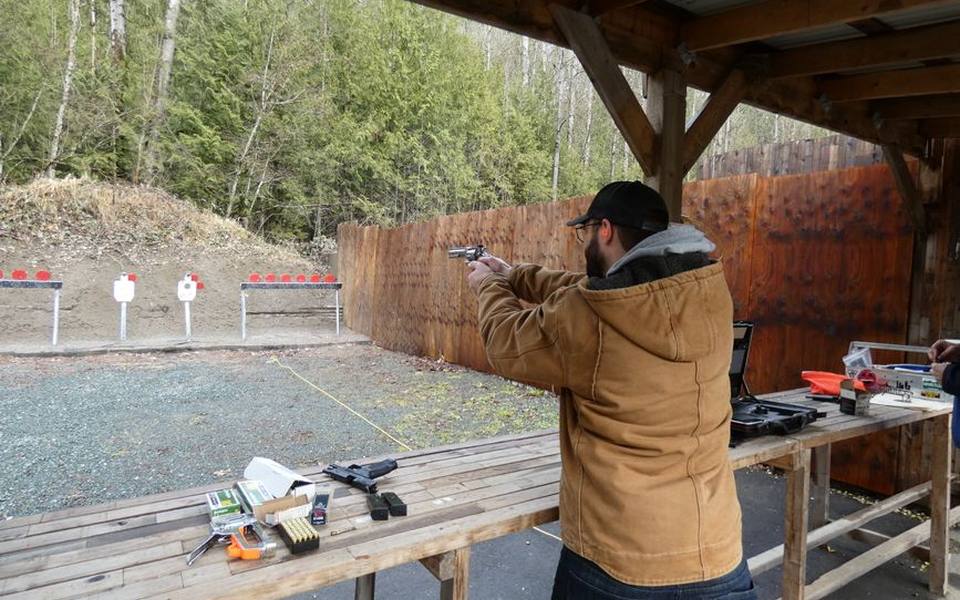
To explore coastal facilities, you can check active shooting ranges in Florida for current amenities and rental availability. State-level requirements vary substantially; for example, ranges in the Southeast generally maintain fewer restrictions on magazine capacity or caliber choices than venues on the West Coast.
Out west, checking the directory of ranges across California reveals how operators adapt to strict state equipment statutes. Anyone visiting an indoor shooting range in Riverside will notice meticulous adherence to state-mandated handling procedures, ammo background checks at point of sale, and specific transportation rules. Knowing regional expectations prevents delays and ensures an orderly check-in wherever you travel.
Long distance rifle ranges compared to standard handgun lanes
A dedicated long distance rifle range serves an entirely different training purpose than a standard indoor pistol bay. While pistol stalls emphasize personal defense distances under twenty-five yards, outdoor rifle complexes extend from one hundred yards out to a thousand yards or beyond. These sprawling outdoor venues accommodate precision bolt-action rifles, high-powered hunting calibers, and precision rimfire platforms requiring ballistic trajectory calculations.
Shooting at extended distances introduces unique environmental variables such as crosswinds, mirage, and elevation shifts. As a result, long-range venues often provide specialized infrastructure including sturdy concrete shooting benches, prone firing mats, chronographs, and electronic acoustic target monitors that display shot placement on a booth tablet in real time.
Qualification requirements at long-distance ranges are considerably stricter than at pistol lanes. Operators commonly require shooters to prove their baseline accuracy at fifty or one hundred yards before granting access to longer lanes. This rule ensures that errant rounds cannot skip over secondary berms or strike steel target hangers downrange, protecting facility equipment and neighboring properties.
Essential range rules and firing line etiquette
Safe range operation relies on universal rules of firearm handling that never change, regardless of the facility you visit. Always treat every firearm as if it were loaded, keep your finger off the trigger until your sights are aligned on target, and ensure the muzzle points downrange toward the backstop at all times. In an indoor stall, pointing a muzzle toward the ceiling, side partitions, or rear staging table is a serious violation that results in immediate removal.
During live firing, listen intently for commands issued by the range safety officer. The word cease-fire requires immediate, reflexive action: stop shooting instantly, take your finger off the trigger, set your firearm on the bench pointing downrange, step back behind the safety line, and await instructions. Never handle, adjust, or clean any gear at the shooting bench while personnel are downrange during a scheduled cease-fire.
Courtesy toward neighboring lanes is equally vital for a pleasant visit. Avoid rapid firing unless range guidelines explicitly permit it, as erratic bursts can trigger anxiety in adjacent stalls. When packing up, clear your firearm completely, lock the action open, insert an empty chamber indicator flag if required, and place the unloaded gun into a secure transport case before stepping away from the lane.
Rental programs, caliber guidelines, and ammunition policies
For shooters evaluating a potential purchase, utilizing firearms available for rent provides an invaluable testing ground. Most commercial ranges maintain extensive rental walls featuring compact defensive pistols, full-sized service handguns, rimfire trainers, and pistol-caliber carbines. Rental policies typically operate on an unlimited exchange model, allowing you to pay a single flat rental fee and test multiple firearms sequentially during your lane hour.
To prevent suicidal self-harm incidents, virtually every indoor facility enforces a strict solo renter policy. Under this industry-wide rule, individuals arriving alone cannot rent a handgun unless they bring their own personal firearm with them or arrive with a shooting companion. This protocol is standard practice across the United States and should never be taken personally by solo newcomers.
Ammunition selection must align strictly with lane ratings. Handgun lanes generally prohibit rifle calibers due to penetration concerns, while indoor rifle bays may restrict magnum calibers that generate excessive muzzle blast and rapid berm degradation. Always check whether your range permits aluminum-cased or steel-cased cartridges, as some facilities only permit traditional brass cases to streamline brass collection and recycling operations.
Weighing an annual membership against drop-in day passes
Frequent shooters quickly face the decision of whether to invest in an annual shooting range membership or continue paying standard walk-in fees. Memberships represent an upfront capital commitment that typically covers unlimited lane access, free target rentals, guest passes, and priority lane reservations during peak weekend hours. Many packages also include discounts on retail ammunition, accessories, and specialty firearm rentals.
A simple mathematical breakdown clarifies the choice. If an average lane fee costs twenty dollars per hour and a basic annual membership runs around three hundred dollars, visiting the range more than once or twice a month makes the membership financially advantageous. Furthermore, members frequently receive discounted rates on specialized instruction and advanced tactical bays not accessible to the general public.
Conversely, casual hobbyists who shoot only two or three times each year to maintain basic firearm familiarity are better served by walk-in day rates. Before committing to a yearly contract, ask about initiation fees, mandatory work hours common at outdoor conservation clubs, and reciprocal benefits with neighboring sister clubs.
Preparing for your visit with training and proper gear
Adequate physical preparation makes your range trip both comfortable and productive. Wear high-collared, form-fitting clothing and closed-toe footwear to prevent hot expelled brass casings from settling against your skin. High-temperature shell casings ejected from semi-automatic actions can cause reflexive flinching, which creates a safety hazard if you are holding a loaded firearm when a hot case touches an exposed collarbone or ankle.
Hearing protection requires thoughtful consideration. In an indoor acoustic environment, foam earplugs alone may not attenuate the concussive pressure waves produced by large-caliber handguns or short-barreled rifles. Experienced shooters employ a double-up approach, wearing properly fitted foam plugs underneath electronic over-ear earmuffs. Electronic earmuffs compress loud impulse sounds while amplifying range commands and normal conversational speech.
For beginners or those returning to marksmanship after a prolonged absence, signing up for structured training or certification classes is the safest way to build competence. Professional instructors teach foundational grip mechanics, trigger control, and clearing procedures in a calm, supervised setting before you step out onto an active firing line.
Published 2026-09-21 · reviewed with each rebuild, last September 2026.
Find shooting ranges near you
The directory lists 6,919 shooting ranges by state and city — pick your state or use the “Near me” button in the header.
More guides
-
 Safety
Can a Felon Go to a Shooting Range? Federal Rules, Range Policies, and Shooting Sports Explained
-
 Money
MoneyGun Range Costs and Rental Guide: Fees, Ammo, and What to Expect
-
 Safety
Concealed Carry Permit Costs, Classes, and Certification Guide
-
 Service
Pinning and Welding a Muzzle Device: Legal Standards and Technical Steps
-
 Buying
FFL Transfer Fees, Background Checks, and NFA Kiosks Explained
-
 Buying
Where and How to Buy Police Trade-In Firearms Safely
-
 Owning
Beginner Guide to Long-Range Shooting: Distances, Tips, and Calculators
-
 Owning
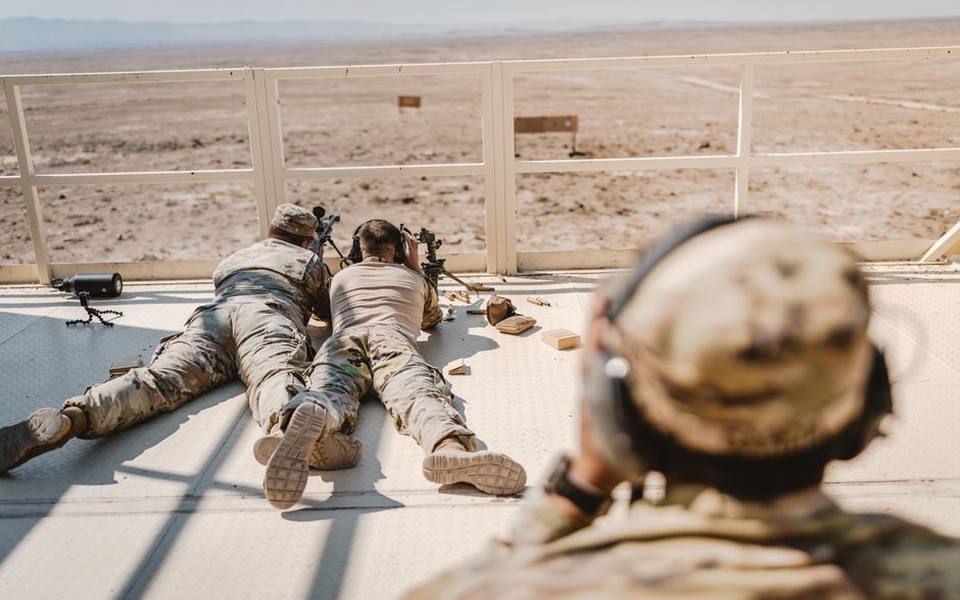
How to Choose the Best Outdoor Shooting Range for Your Needs
-
 Safety
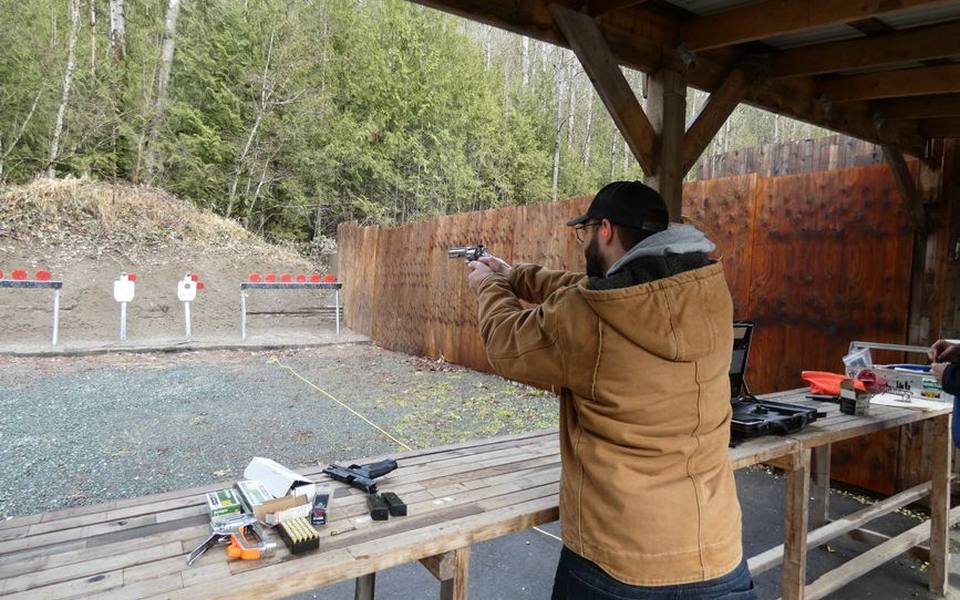
Gun Safety Courses, Hunter Education, and Concealed Carry Certification Guide
-
 Owning
Firearms Licensing, FOID Cards, and Background Checks: Verification, Processing, and Appeals
-
 Owning
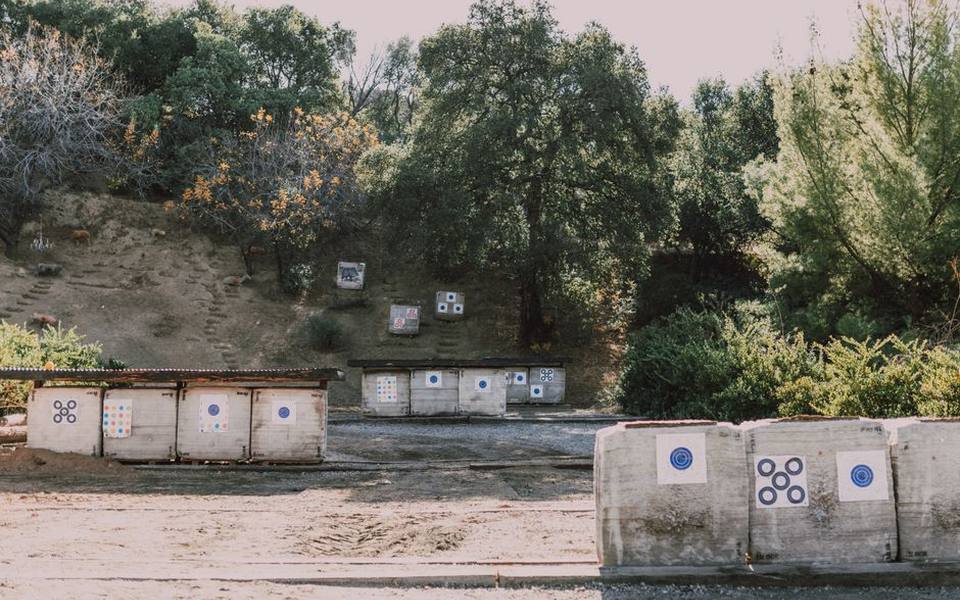
Target Shooting Sports: Clay, Trap, Skeet, and Precision Rifle Disciplines
-
 Owning
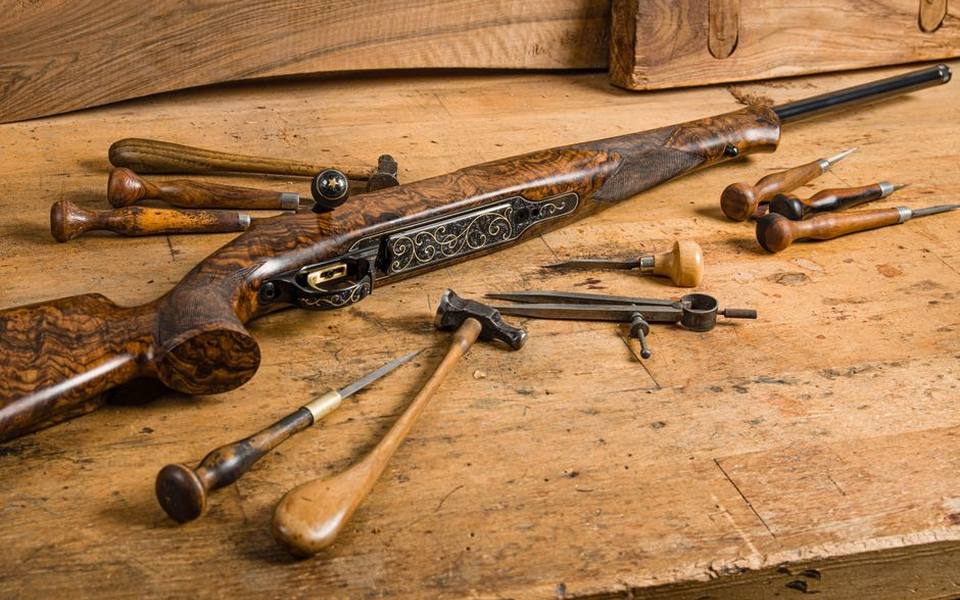
Gun Cleaning Kits and Maintenance: Solvents, Bore Snakes, and Ultrasonic Cleaners
-
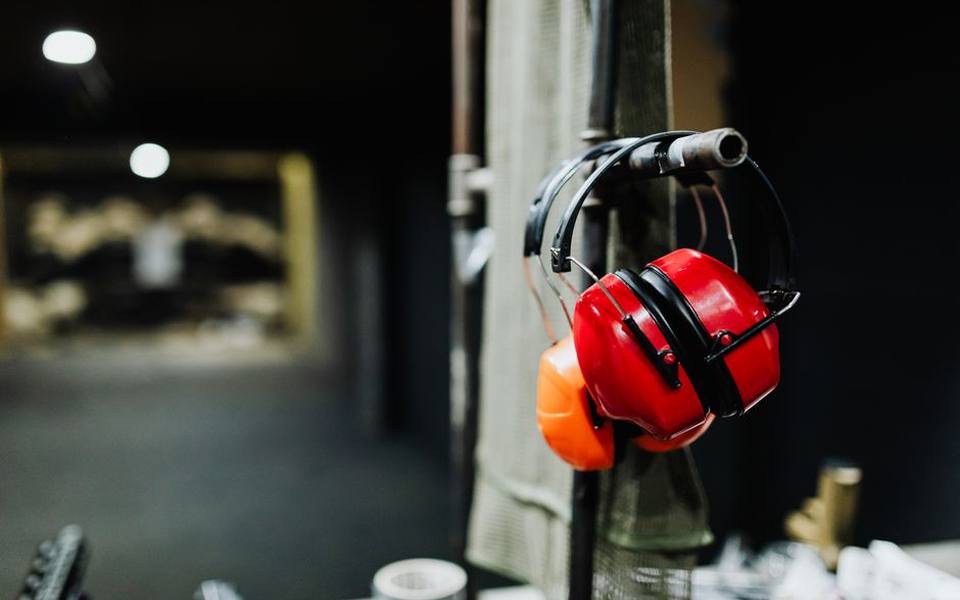 Safety
Shooting Range Ear Protection & Custom Molded Earplugs
-
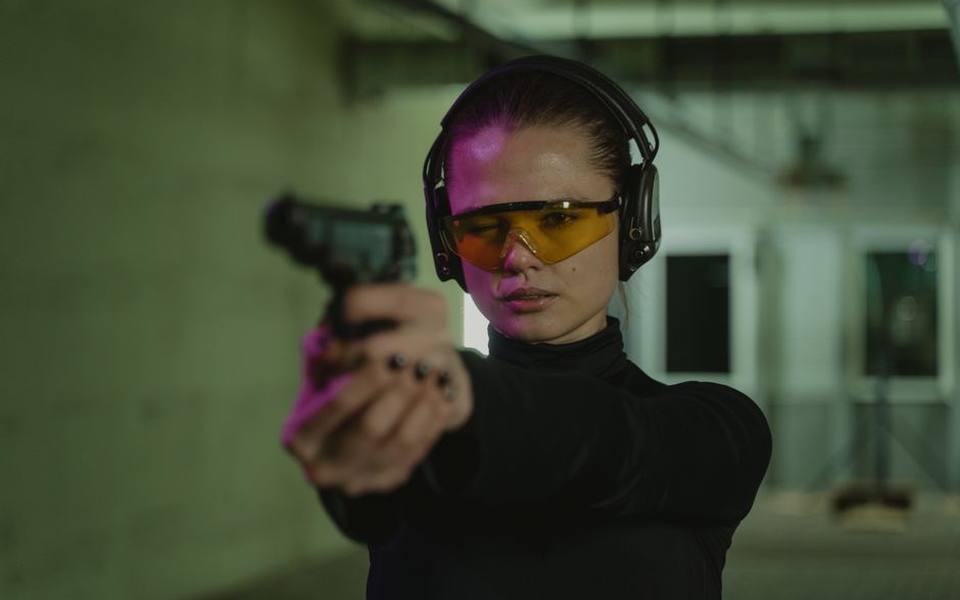 Safety
Tactical Firearms Training and Advanced Defense Courses Guide
-
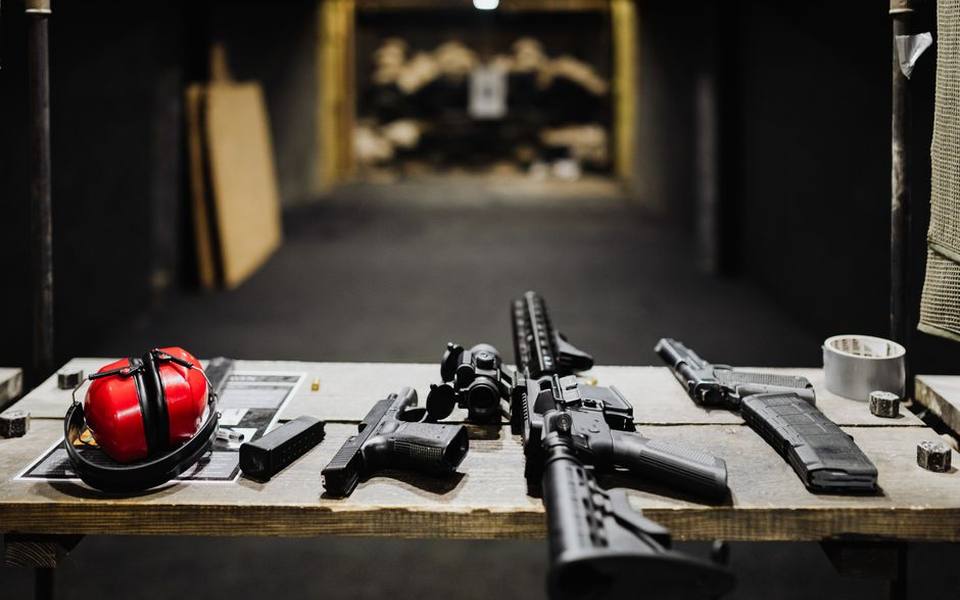 Owning
Shooting Range Accessories: Eye Protection, Range Bags, and Shooting Rests
-
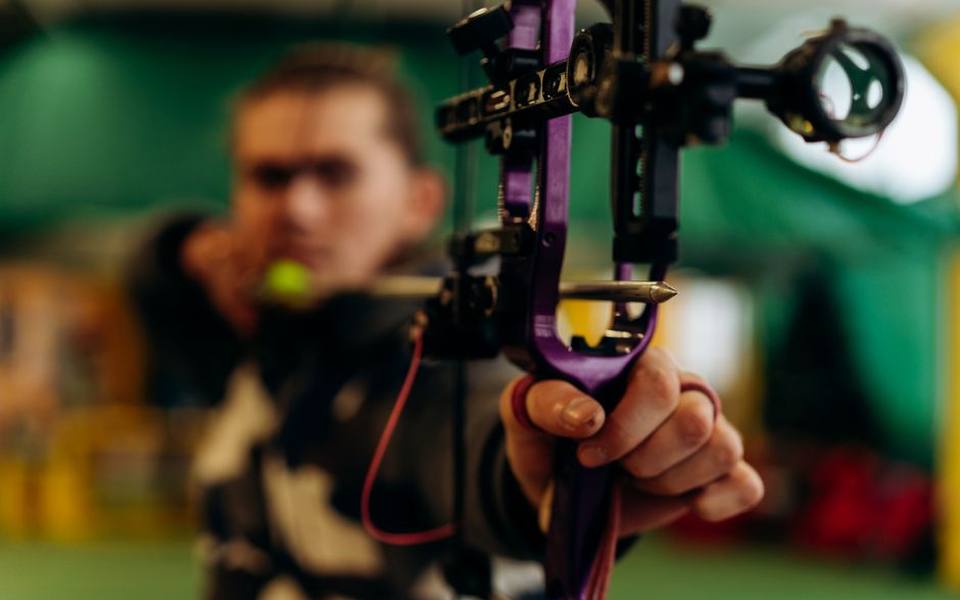 Owning
Indoor Archery and Crossbow Shooting: Practical Range Guide, Zeroing, and Gear
-
 Service
Gunsmithing Services: Firearm Restoration, Stock Refinishing, and Custom Work
-
 Storage
Gun Safes and Storage Solutions: Biometric Locks, Humidity, and Ammo Storage
-
 Safety
Custom Molded Hearing Protection and Shooting Earplugs Guide
-
 Owning
Modern Shooting Ranges, Home Simulators, and Training Memberships
-
 Buying
Shooting Gear, Target Optics, Tools, and Ballistics Essentials
-
 Owning
Firearm Licensing, Permits, Background Checks, and Guard Rules
-
 Safety
Firearms Training and Self-Defense Classes: Beginner to Advanced
-
 Safety
Target Practice in the Digital Age: Viral Trends, Range Etiquette, and Practical Drills
-
 Owning
Custom Kydex Holsters Guide: Types, Revolver Fits, and Draw Techniques
-
 Safety
Tactical Defense Courses: Active Shooter Response, Medic Training, and Self-Defense
-
 Owning
Complete Guide to Kitchen Range Hood Venting, Ductwork, and Installation
-
 Service
Creative Birthday Photoshoot Ideas for Kids, Teens, and Adults
-
 Buying
Portable, Ductless, and Under-Cabinet Range Hood Selection Guide
-
 Buying
Commercial Kitchen Exhaust Hoods: Complete Selection and Ventilation Guide
-
 Safety
NRA Range Safety Officer Certification: Requirements, Training, and Field Expectations