The Reality of Gunfire Decibels and Hearing Damage
A single gunshot produces sound pressure levels typically between 140 and 165 decibels, well above the threshold where instantaneous, permanent nerve damage occurs in the human inner ear. Selecting effective hearing protection is not just about personal comfort; it is about establishing a reliable acoustic seal that reduces impulse shock down to safe exposure limits. Whether you choose active electronic muffs, tailored custom-fitted plugs, or standard disposable foam, the objective remains identical: preventing noise-induced hearing loss while preserving situational awareness on the firing line.
The microscopic hair cells inside your cochlea do not regenerate once damaged by intense acoustic trauma. Shooters often fail to notice early auditory damage because high-frequency loss creeps up gradually over years, first manifesting as difficulty understanding speech against ambient room noise or as persistent ringing known as tinnitus. Because sound pressure doubles with roughly every three-decibel increase, the difference between a high-performing hearing protector and a loose-fitting alternative represents a substantial gap in physical force striking your eardrum.
Most shooting facilities require eye and hearing protection immediately upon entering the staging area or sound airlock. The standardized Noise Reduction Rating, or NRR, provides a laboratory baseline, but real-world performance depends heavily on individual fit and consistent placement. While conventional foam plugs boast high laboratory numbers, improper insertion frequently cuts their actual attenuation by half or more, which explains why custom molds and active headsets have become essential gear for dedicated shooters.
How Custom Molded Earplugs Work
Custom molded earplugs are crafted to match the exact physical contours of an individual's ear canal and concha bowl. By creating a bespoke barrier without producing uncomfortable pressure points against sensitive cartilage, these ear molded earplugs eliminate the acoustic bypass leaks common to generic silicone tips and poorly rolled foam. When an earplug conforms completely to your unique ear geometry, intense sound energy cannot easily find microscopic gaps to enter the canal.
There are two primary categories of molded ear protection available to recreational shooters today. The first consists of do-it-yourself kits using two-part silicone putty or thermo-reactive plastic that softens in warm water and molds directly inside the ear. The second involves having an audiologist make medical-grade silicone impressions that a specialized lab cures into durable, medical-grade ear mold ear plugs. While DIY options cost substantially less and cure within minutes, lab-cured models typically provide smoother surfaces, deeper seals, and superior longevity.
The retention capability of a molded earplug is especially beneficial during active range drills involving rapid movement, positional shooting, or long practice strings. Unlike off-the-shelf foam inserts that slowly expand outward or back out when chewing, talking, or sweating, custom molded ear protection stays securely seated in the canal. This reliable seal ensures uniform sound reduction throughout an entire afternoon without the need for periodic manual readjustment using lead-dusted fingers.
Electronic Hearing Protection Explained
Electronic ear protection bridges the gap between acoustic safety and situational awareness by combining sound barrier materials with internal microphones and speakers. When ambient noise levels are normal, external microphones capture speech, range commands, and ambient sounds, transmitting them directly into your ears at natural or amplified volume levels. This enables shooters to converse normally without shouting or removing their protective gear on an active firing line.
The critical safety mechanism inside electronic hearing devices is the impulse cutoff or compression circuit. The instant a firearm discharge pushes sound levels above a predetermined safety limit—typically around 82 decibels—the internal amplifier shuts down or seamlessly compresses the sound wave. Advanced digital compression circuitry attenuates the loud gunshot blast while still allowing continuous low-volume speech to pass through, avoiding the abrupt audio dropouts associated with older analog clipping systems.
Electronic setups are particularly valuable in formal instruction environments or group shooting bays. When practicing alongside others, being able to clearly hear the range safety officer call a cease-fire can prevent catastrophic accidents. Shooters wearing conventional passive earplugs often fail to register verbal instructions across a busy room, creating unnecessary safety hazards that active electronic systems effectively eliminate.
In-Ear Molded Protection Versus Over-Ear Electronic Muffs
The choice between over-ear earmuffs and in-ear custom earplug styles largely comes down to ergonomics, weather conditions, and firearm types. Earmuffs provide comprehensive coverage by enclosing both the ear canal and the surrounding temporal bone, which can block sound conducted through the skull. However, their bulky external cups often interfere with the stock of a rifle or shotgun, breaking the acoustic seal exactly at the moment of cheek weld.
In-ear molded ear plugs completely eliminate stock interference, making them the preferred choice for shotgun sports, precision rifle shooting, and carbine drills. Without a bulky headband or cup pressing against your temples, there is no risk of displacing your eye protection or breaking the seal around the arms of your shooting glasses. For shooters who spend hours outdoors in hot and humid summer climates, in-ear options also prevent the sweaty, chafed skin that commonly develops beneath synthetic earmuff cushions.
Conversely, over-ear electronic muffs offer quick convenience that custom ear plugs cannot match when switching between shooters. Muffs can be slipped on and off in seconds, making them ideal for casual range visitors sharing gear. In-ear custom units require a specific twisting technique to seat properly into the canal, and because they are custom-tailored to a single individual's anatomy, they cannot be shared with family members or friends.
The Indoor Range Challenge and Doubling Up
Indoor shooting environments present severe acoustic challenges that differ significantly from open-air facilities. In an enclosed facility such as an indoor range, muzzle blast energy radiates outward and immediately ricochets off concrete floors, steel dividing baffles, and cinderblock walls. Rather than dissipating quickly into the open atmosphere, the acoustic shockwave reverberates across adjacent stalls, exposing your hearing to sustained, cumulative sound pressure.
Because of these intense acoustic reflections, hearing conservation specialists universally recommend the practice of doubling up when shooting indoors or standing near high-caliber short-barreled firearms. Doubling up entails placing deep-seated molded earplugs or foam plugs inside the ear canals and wearing a set of electronic earmuffs directly over top. This layered approach combines the canal isolation of the plug with the bone-conduction shielding and electronic amplification of the headset.
When using custom molded earplugs beneath active electronic muffs, you can turn up the headset volume to easily hear conversational commands through the double barrier. Meanwhile, the combined acoustic attenuation ensures that the severe blast wave from an adjacent high-power rifle or magnum revolver is reduced to completely harmless levels. This dual-layer strategy is the gold standard for protecting against cumulative hearing fatigue during extended indoor training sessions.
DIY Moldable Kits Versus Professional Audiologist Impressions
Shooters exploring custom molded earplugs often begin with DIY moldable kits due to their low entry cost and immediate usability. These kits typically supply two pre-measured silicone putties or thermo-formable plastics. The user kneads the materials together, shapes the soft mass into the ear canal, and allows it to cure for ten to fifteen minutes. When done carefully, do-it-yourself molded earplugs provide decent general attenuation and fit far more comfortably than standard ribbed generic plugs.
However, DIY methods have distinct physical limitations compared to custom molded ear protection crafted from professional impressions. An amateur cannot safely inject silicone deep past the second bend of the ear canal without risking damage to the tympanic membrane. As a result, home-molded sets usually produce a shallow canal seal. If you move your jaw, swallow, or tilt your head while the material is setting, microscopic gaps can form, significantly reducing the effective noise reduction rating.
A professional audiologist uses an otoscopic examination to inspect the canal, places a protective cotton dam near the eardrum, and injects low-viscosity medical silicone deep into the ear canal. The resulting cast captures every subtle groove and contour of the ear structure. These impressions are then sent to a specialized laboratory where technicians fabricate high-density silicone or vinyl ear mold ear plugs. The resulting product offers superior acoustic isolation, exceptional tear resistance, and a lifetime measured in years rather than months.
Electronic Custom In-Ear Options
The ultimate tier in personal hearing defense combines custom earplug craftsmanship with miniaturized electronic processing. Electronic custom molded earplugs feature precision-machined acoustic channels, digital processors, and replaceable or rechargeable micro-batteries fitted directly inside a personalized silicone or acrylic shell. They provide the low-profile stock clearance of an in-ear plug alongside the situational amplification and instant blast suppression of full-size electronic muffs.
These electronic molded systems utilize advanced digital algorithms that distinguish continuous low-level ambient noise from sudden high-intensity impulse peaks. When someone speaks behind you, the external microphones reproduce the sound with natural directional clarity, which is essential for tactical awareness and range safety. When a shot breaks, digital sound compression limits output inside your ear to safe listening thresholds in fractions of a millisecond, preventing eardrum strain.
While custom electronic in-ear protection represents a notable financial investment, it eliminates the need for doubling up in most outdoor settings and removes the physical fatigue associated with heavy headbands. Shooters who spend dozens of hours every month competing, teaching, or practicing often find that the comfort and freedom of movement provided by custom electronic ear protection easily justify the initial expense over years of use.
Care, Cleaning, and Longevity of Molded Earplugs
Maintaining proper hygiene is vital when using custom ear plugs on a frequent basis. Your ears naturally produce cerumen, or earwax, which can migrate into the micro-pores of silicone or plug acoustic channels over time. After every trip to the range, inspect your molded earplug set for accumulated wax, dust, and lead residue. Wipe down the exterior surfaces with a damp, lint-free cloth and mild soapy water, avoiding harsh alcohol-based solvents that can dry out and crack silicone.
Proper drying and storage will preserve the structural integrity of your ear mold ear plugs for years. Always allow the plugs to air-dry completely before storing them inside an airtight carrying case. If moisture remains trapped inside the case, bacterial or fungal growth can develop on the surface material, leading to painful ear canal infections upon subsequent insertions. Many premium sets include a ventilated carrying pouch specifically designed to encourage airflow during transport.
Even high-grade custom molded ear protection will eventually require replacement as human anatomy changes over time. Significant fluctuations in body weight, dental procedures, and the natural aging process gradually alter the diameter and curvature of your ear canals. If you notice that your once-snug molded ear plugs feel loose, slip out during speech, or allow unexpected gunfire sharpness to penetrate, it is time to have fresh impressions made to restore an airtight acoustic barrier.
Choosing Hearing Gear for Instruction and Rentals
For new shooters enrolling in training or certification classes, hearing protection selection plays a direct role in educational success. Beginner shooters are frequently startled by the overwhelming concussive noise of live fire, which induces flinching, anxiety, and difficulty absorbing technical instruction. By equipping new students with electronic ear protection or comfortable custom molded earplugs, instructors ensure that students can clearly follow real-time coaching cues while remaining calm on the line.
Similarly, when visiting facilities that offer guns available to rent, relying on basic loaner earmuffs is often a frustrating experience. Rental headsets at public ranges are frequently worn out, with flattened ear cushions that leak sound and loose headbands that slip out of position. Bringing your own dependable molded ear plugs or dedicated electronic protection guarantees consistent acoustic safety regardless of what firearm platform or caliber you decide to try out that day.
Eye protection compatibility is another critical consideration that beginners frequently overlook. Standard shooting glasses feature thick temple arms that lift earmuff cushions away from the skull, creating air channels that reduce noise attenuation by several decibels. Because custom earplug models seat entirely within the ear canal and concha, they never contact or interfere with eyeglasses, guaranteeing an uncompromising seal no matter what protective eyewear you choose to wear.
Putting Together Your Range Bag Setup
An experienced shooter never relies on a single pair of earplugs without having a comprehensive backup plan in their gear bag. When you visit shooting range facilities, equipment can be dropped, lost, or depleted of battery power unexpectedly. Keeping a dedicated case with your custom molded earplugs alongside a fresh pack of disposable foam plugs and extra electronic headset batteries ensures that equipment failure never cuts your range session short.
Before stepping onto the active firing line, always conduct a quick acoustic self-test to verify that your ear protection is seated correctly. With your custom ear plugs inserted, cup your hands over your ears and release them while speaking aloud. If you hear a dramatic change in ambient sound or your own voice volume when moving your hands, your plugs do not have an airtight seal. Re-seat the mold with a slight inward twist until external sound remains uniformly muffled.
Ultimately, the best hearing protection is the gear you find comfortable enough to wear without interruption from the moment you step through the range door until you pack your gear. Whether you select lab-cured custom molded ear protection, versatile DIY thermo-fit plugs, or top-tier electronic earmuffs, prioritizing proper fit and high attenuation will protect your auditory health for a lifetime of safe, enjoyable shooting.
Published 2026-09-21 · reviewed with each rebuild, last September 2026.
Find shooting ranges near you
The directory lists 6,919 shooting ranges by state and city — pick your state or use the “Near me” button in the header.
More guides
-
 Safety
Can a Felon Go to a Shooting Range? Federal Rules, Range Policies, and Shooting Sports Explained
-
 Money
MoneyGun Range Costs and Rental Guide: Fees, Ammo, and What to Expect
-
 Safety
Concealed Carry Permit Costs, Classes, and Certification Guide
-
 Service
Pinning and Welding a Muzzle Device: Legal Standards and Technical Steps
-
 Buying
FFL Transfer Fees, Background Checks, and NFA Kiosks Explained
-
 Buying
Where and How to Buy Police Trade-In Firearms Safely
-
 Owning
Beginner Guide to Long-Range Shooting: Distances, Tips, and Calculators
-
 Owning
How to Choose the Best Outdoor Shooting Range for Your Needs
-
 Safety
Indoor & Public Shooting Ranges: Etiquette, Costs, & Locating Ranges
-
 Safety
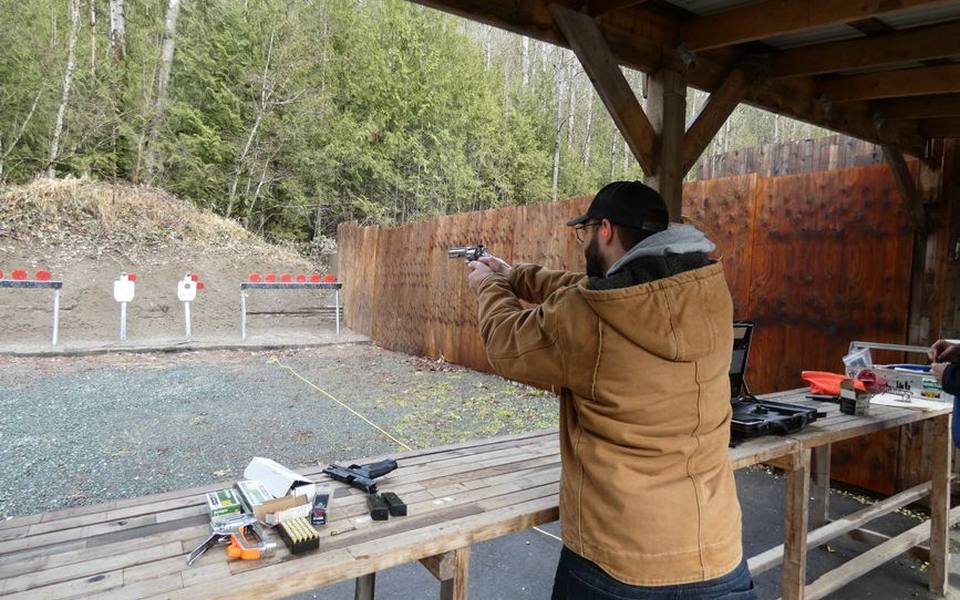
Gun Safety Courses, Hunter Education, and Concealed Carry Certification Guide
-
 Owning
Firearms Licensing, FOID Cards, and Background Checks: Verification, Processing, and Appeals
-
 Owning
Target Shooting Sports: Clay, Trap, Skeet, and Precision Rifle Disciplines
-
 Owning
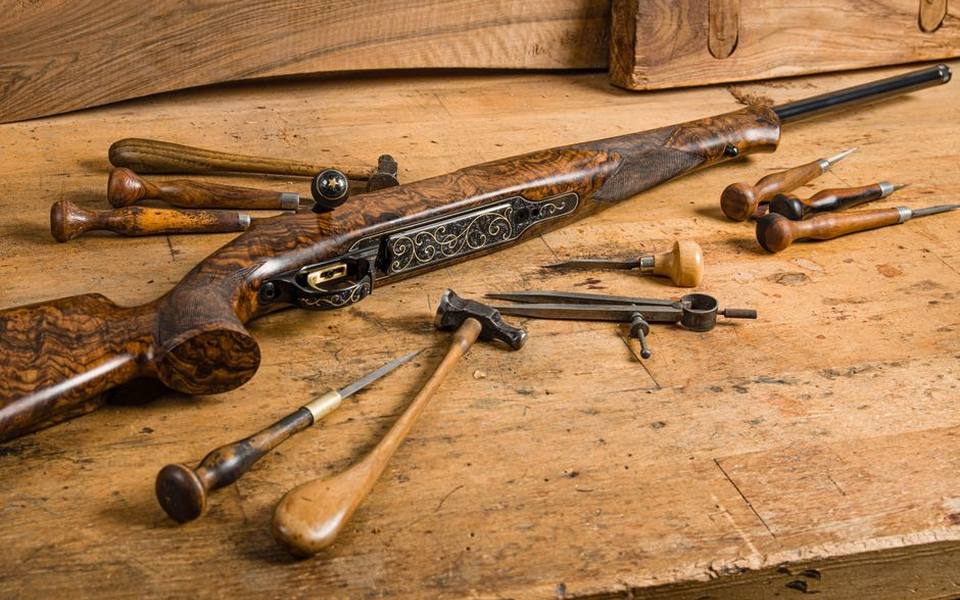
Gun Cleaning Kits and Maintenance: Solvents, Bore Snakes, and Ultrasonic Cleaners
-
 Safety
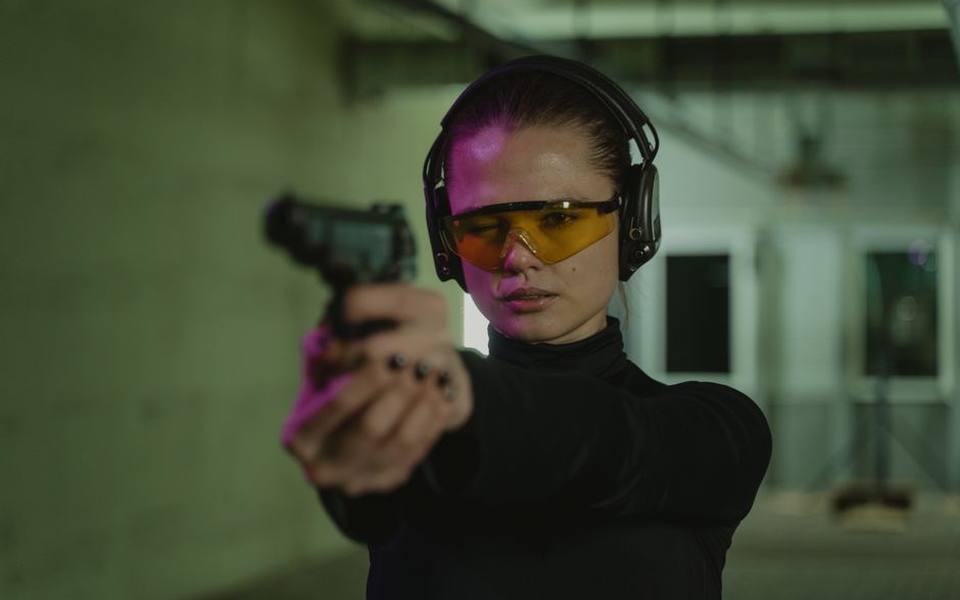
Tactical Firearms Training and Advanced Defense Courses Guide
-
 Owning
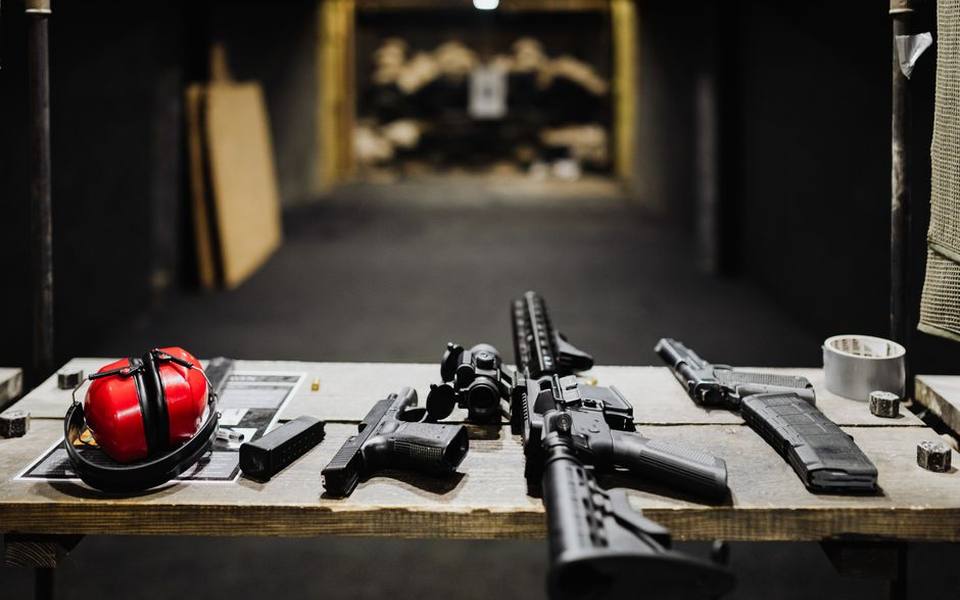
Shooting Range Accessories: Eye Protection, Range Bags, and Shooting Rests
-
 Owning
Indoor Archery and Crossbow Shooting: Practical Range Guide, Zeroing, and Gear
-
 Service
Gunsmithing Services: Firearm Restoration, Stock Refinishing, and Custom Work
-
 Storage
Gun Safes and Storage Solutions: Biometric Locks, Humidity, and Ammo Storage
-
 Safety
Custom Molded Hearing Protection and Shooting Earplugs Guide
-
 Owning
Modern Shooting Ranges, Home Simulators, and Training Memberships
-
 Buying
Shooting Gear, Target Optics, Tools, and Ballistics Essentials
-
 Owning
Firearm Licensing, Permits, Background Checks, and Guard Rules
-
 Safety
Firearms Training and Self-Defense Classes: Beginner to Advanced
-
 Safety
Target Practice in the Digital Age: Viral Trends, Range Etiquette, and Practical Drills
-
 Owning
Custom Kydex Holsters Guide: Types, Revolver Fits, and Draw Techniques
-
 Safety
Tactical Defense Courses: Active Shooter Response, Medic Training, and Self-Defense
-
 Owning
Complete Guide to Kitchen Range Hood Venting, Ductwork, and Installation
-
 Service
Creative Birthday Photoshoot Ideas for Kids, Teens, and Adults
-
 Buying
Portable, Ductless, and Under-Cabinet Range Hood Selection Guide
-
 Buying
Commercial Kitchen Exhaust Hoods: Complete Selection and Ventilation Guide
-
 Safety
NRA Range Safety Officer Certification: Requirements, Training, and Field Expectations