Finding the Right Range Format for Your Routine
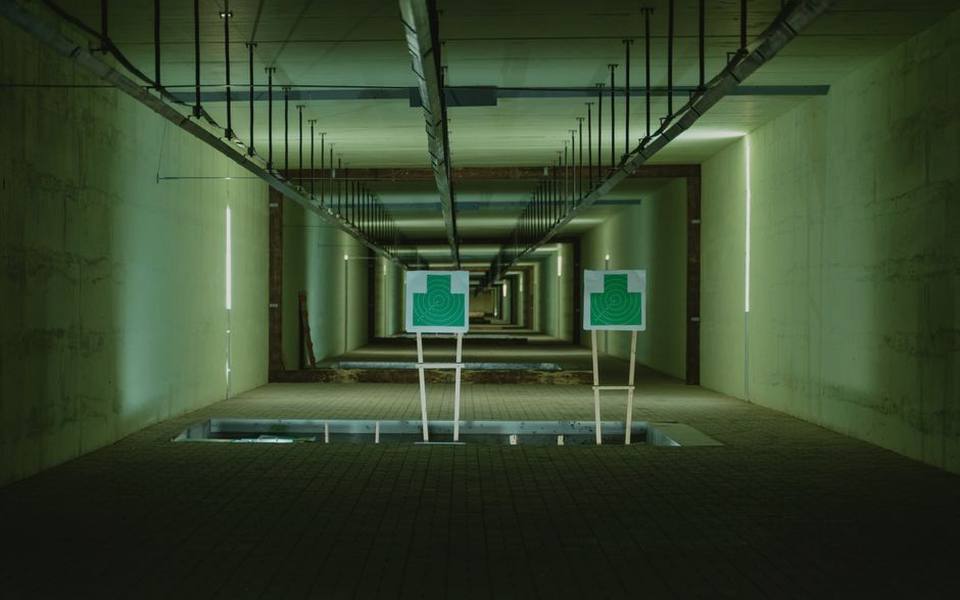
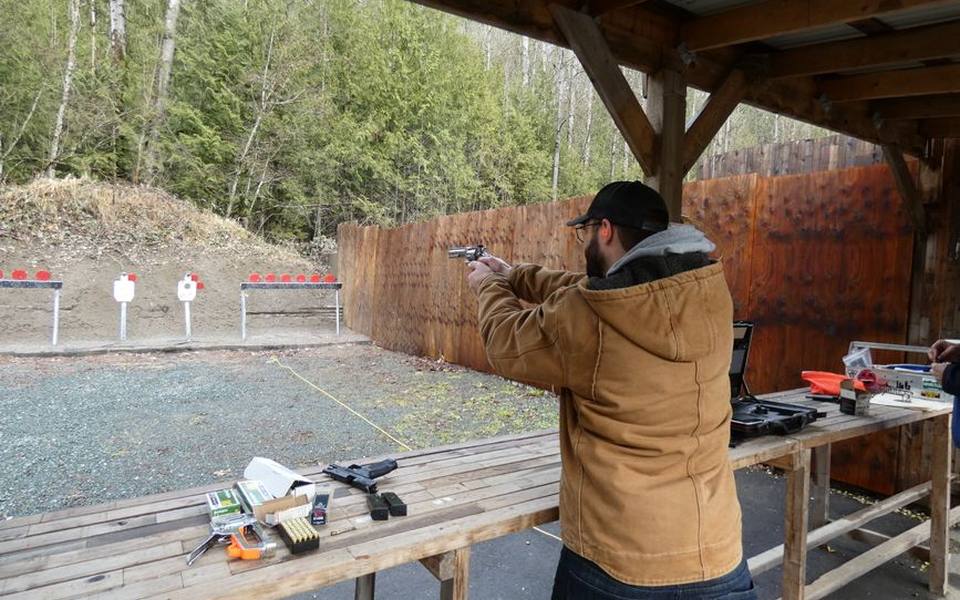
Finding an ideal training spot depends entirely on what you want to shoot and how frequently you plan to practice. Across the nationwide network of shooting range USA options, facilities range from compact commercial indoor bays in suburbs to massive multi-acre conservation club grounds out in rural counties. Indoor bays keep you out of the weather and offer consistent lighting year-round, while sprawling outdoor berms allow rapid transitions, movement drills, and rifle work beyond pistol distances.
Before loading up your range bag, check whether a facility operates on an open walk-in policy or requires an annual badge. Many public spaces let you pay an hourly lane rate with minimal hassle, which works well if you only head out once every couple of months. Frequent marksmen often gravitate toward non-profit sportsman clubs, where a yearly assessment lowers per-visit expenses and offers access to dedicated silhouette or action bays.
Safety cultures vary noticeably between locations, so looking into the range safety officer oversight ahead of time pays off. Highly staffed commercial venues keep an RSO stationed directly behind the firing line to watch handling habits, while unsupervised community ranges rely strictly on self-policing and cold-line ceasefires. Exploring established gun and shooting ranges near you helps you gauge local rules, bench regulations, and lane amenities before making the drive.
Renting Handguns and Long Guns at the Counter
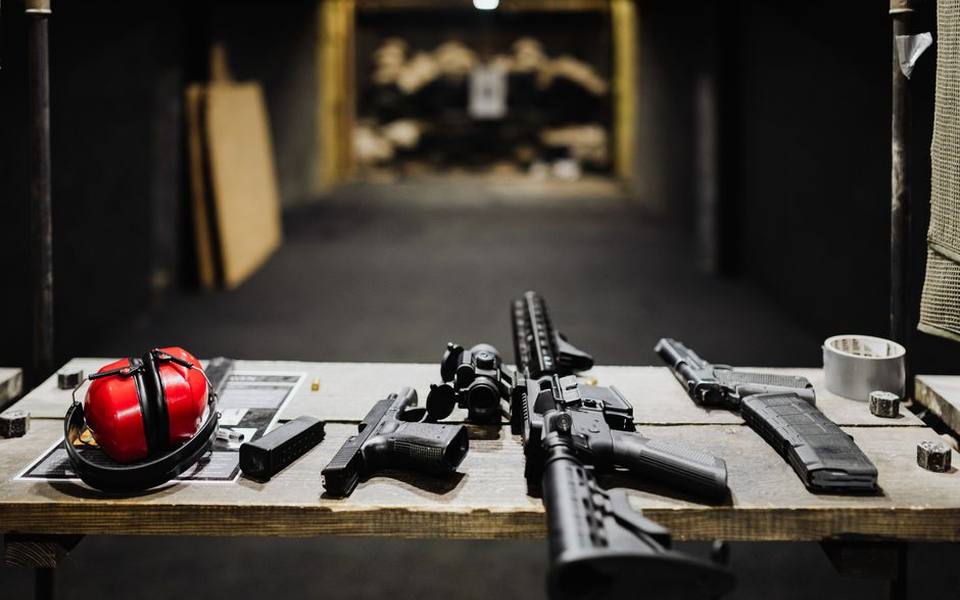
Visiting a firearm rental shooting range gives you the rare opportunity to evaluate several handguns or long guns back-to-back without spending hundreds of dollars on retail purchases. Rental counters keep broad selections of compact carry pistols, full-sized service handguns, rimfire target pistols, and tactical rifles organized in secure display cases behind the desk. Testing ergonomics directly under live recoil reveals trigger reach issues, grip slippage, and sight alignment friction that dry handling in a gun store cannot replicate.
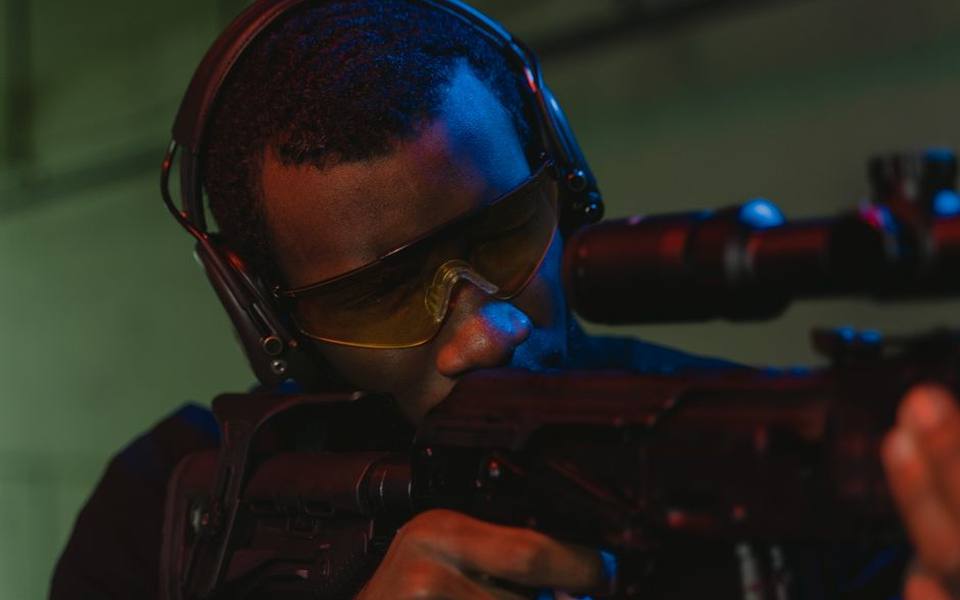
Most rental programs require you to purchase the range's own factory-boxed ammunition for use in their loaner fleet to protect their hardware from dangerous handloads. Rates typically run as a flat fee for the whole session or a small charge per firearm swap, letting you sample three or four competing models during a single lane reservation. Dedicated shooting ranges with gun rentals often maintain modern, well-cleaned demo units from leading manufacturers.
Range safety rules usually mandate that solo visitors bring their own functional firearm or arrive accompanied by a friend before renting hardware. Facilities adopt this rule as an industry-standard precaution to discourage spontaneous self-harm incidents on commercial lanes. Calling ahead to confirm current paperwork, valid state photo identification requirements, and caliber restrictions ensures your check-in moves smoothly without unexpected delays at the counter.
Evaluating Round-the-Clock Keycard Range Access
The concept of a 24 hour shooting range has gained significant traction among shift workers, law enforcement officers, and dedicated competitors who struggle with standard business hours. These private or semi-private facilities utilize automated electronic keycards, magnetic fobs, or biometric scanners to grant badge holders entrance at midnight or early dawn. Because staff are rarely on site during odd hours, applicants must undergo rigorous range orientation, safety testing, and background vetting before receiving an unmonitored entry credential.
Inside an unattended midnight facility, security depends on extensive closed-circuit camera coverage, automated ventilation sensors, and emergency kill switches along the firing line. Members must carry themselves with complete personal discipline, strictly observing muzzle control, eye and ear protection, and clean-up duties without someone watching over their shoulder. In most states, these facilities prohibit visitors from bringing unvetted guests during unstaffed hours to preserve liability coverage.
While keycard clubs demand higher upfront initiation fees and ongoing dues, they eliminate the stress of crowded weekend waitlists and rushed lane turnovers. You can shoot a clean target string at your own pace, test defensive weapon lights in low-light lane modes, and sweep up your brass without contending with cross-lane distractions. If your calendar leaves little room for weekend afternoon training, an automated round-the-clock membership solves scheduling friction.
Structuring Effective Live-Fire Target Practice
Productive target practice with guns requires a deliberate plan rather than simply burning through a carton of bulk ammunition. Standing stationary and punching random holes in silhouette targets produces diminishing returns after a few magazines. Effective shooters arrive with specific benchmark drills in mind, such as working clean first-shot presentations from a ready position, executing recoil mitigation cadences, or refining rapid sight reacquisition across separate bullseyes at varied yardages.
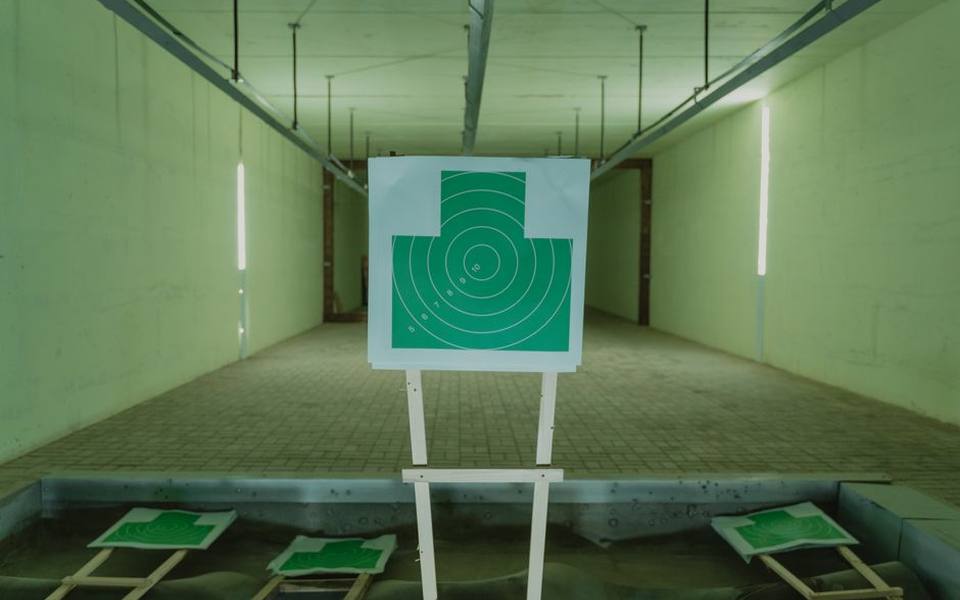
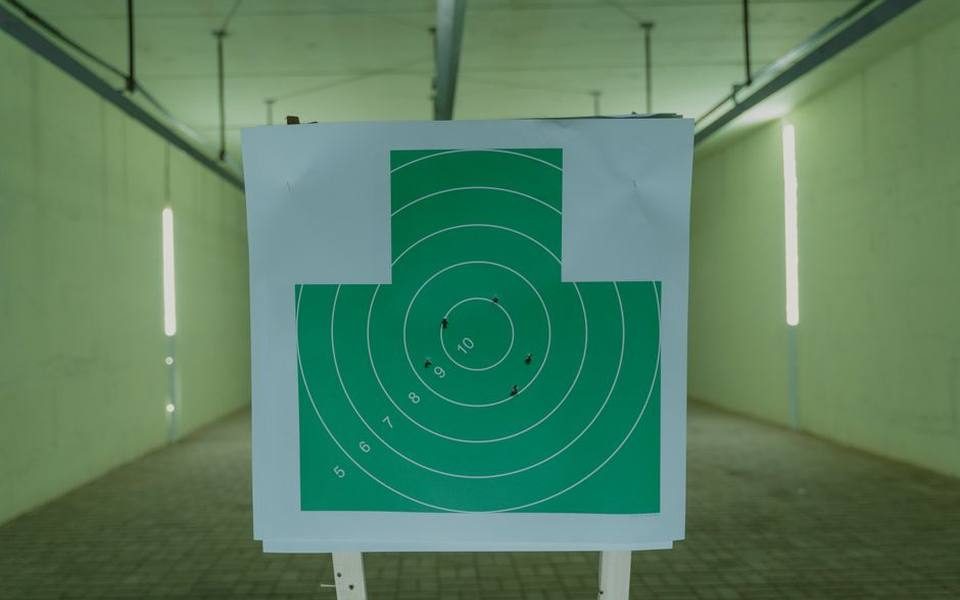
Paper targets printed with high-contrast grids, bullseye clusters, or numbered zones allow you to record your progress with clear metric data. Tracking your hits, split times, and target distances in a small notebook shows you exactly where your fundamentals slip under fatigue or speed. Even standard climate-controlled indoor shooting ranges allow structured basic marksmanship drills, provided your firing cadence complies with the house policy on rapid fire.
Incorporating ball-and-dummy exercises with inert snap caps is another reliable way to expose hidden trigger flinches or anticipatory jerking. By having a lane partner randomly load a dummy round into your magazine, you instantly catch erratic sight movement when the firing pin drops on an empty chamber. Fixing those mechanical flaws at five to seven yards pays massive dividends before you move targets back to fifteen or twenty-five yards.
Setting Up Virtual Systems and Dry-Fire Trainers at Home
High ammunition costs and busy commutes have turned the modern virtual shooting range into a practical staple for serious marksmen. Modern systems pair specialized camera trackers or infrared sensors with projection screens, large television displays, or dedicated computer monitors in a spare bedroom or garage. Instead of burning live primers, you fire caliber-matched laser cartridges inserted into your own unloaded firearms, which flash an invisible or red beam onto targets.
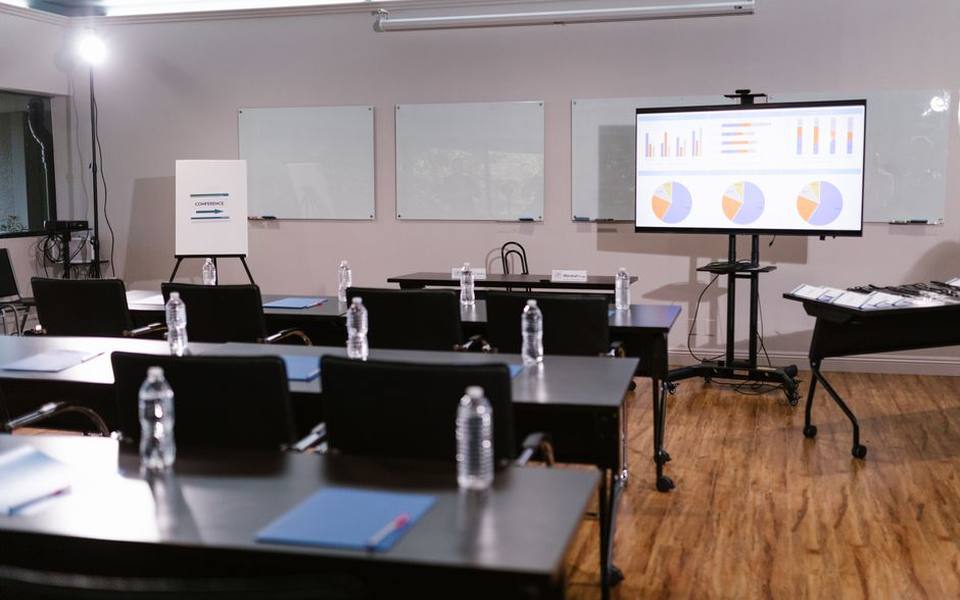
Investing in a dedicated shooting simulator for home use lets you log dozens of repetitions every evening without leaving the house. Advanced consumer software tracks your draw stroke, muzzle wandering before the break, and follow-through stability down to fractions of an inch and thousandths of a second. The ability to run branching judgment scenarios, shoot moving targets, or rehearse defensive scenarios builds neural pathways that translate directly to your next live-fire session.
Hardware options range from simple optical target pods that sit on a bookshelf to high-end recoil-enabled training pistols powered by compressed gas magazines. Pneumatic conversion kits cycle the slide automatically, forcing your grip to manage realistic reciprocating mass and reset the trigger between shots. While a dry trainer cannot replace the concussive reality of live powder, it dramatically reduces your training budget and polishes fundamentals safely.
Balancing Audio Realism and Sensory Feedback in Simulators
Audio feedback plays an underappreciated role in how your brain processes marksmanship mechanics during dry practice. In a home simulator, the gun simulator sound needs to match the visual trigger break instantly without perceptible digital latency. When speakers output a realistic concussive boom, slide clatter, and steel target chime in perfect synchronization with your finger stroke, your subconscious accepts the exercise as legitimate weapon handling.
Cheaper apps often suffer from sound lag or hollow, tinny sound effects that pull you out of the drill and disrupt your shooting tempo. Quality simulator platforms allow you to balance ambient room audio, steel resonance, and shot reports independently through studio headphones or surround setups. This sensory immersion conditions you to track the front sight through the auditory impulse rather than blinking or flinching in anticipation of the noise.
Additionally, running simulated training without ear-damaging sound levels protects your hearing while keeping you attuned to subtle equipment cues. You can hear faint mechanical clicks of a firearm resetting its disconnect, slide friction across frame rails, and dry magazine insertions clearly. Bridging realistic sound cues with visual laser feedback creates a robust training loop that sharpens defensive reactions without the noise complaints from neighboring rooms.
Refining Mechanics with Low-Pressure Pellet Marksmanship
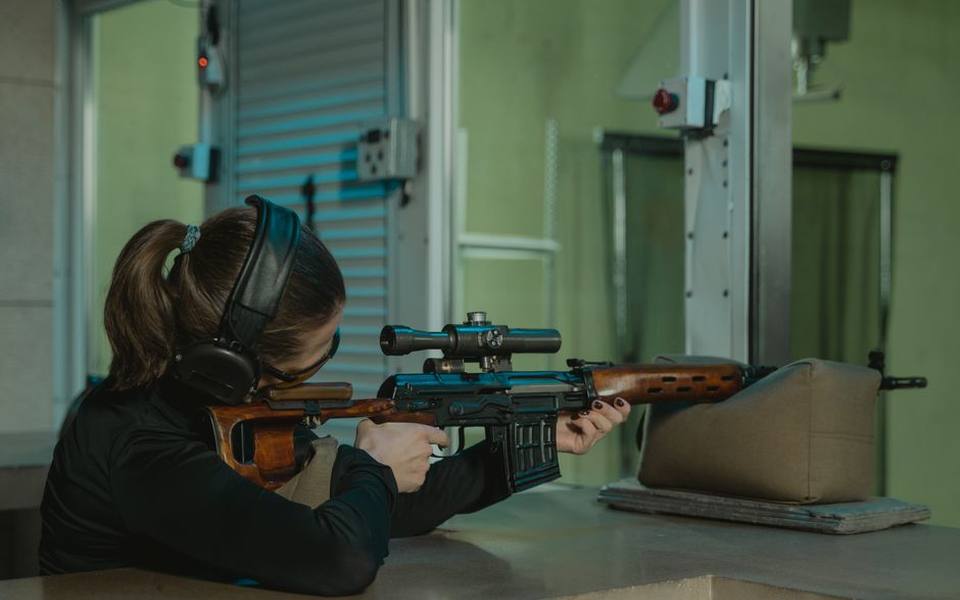
When powder, primers, and outdoor range lanes are inaccessible, air rifle shooting serves as one of the most effective mechanical training methods available. Precision air rifles, whether spring-piston, regulated pre-charged pneumatic, or clean single-stroke pneumatic models, demand exceptional follow-through and trigger control. Because pellet velocities are slower than centerfire rounds, the projectile lingers inside the barrel longer, magnifying any minor flinch or shoulder shift.
Olympic and collegiate shooters spend thousands of hours behind match air rifles precisely because the mechanical margin for error is razor-thin. A ten-meter air rifle target possesses a central ten-ring that is barely larger than a pencil tip, forcing you to master your natural point of aim, breath cadence, and steady finger press. Developing these habits on a quiet airgun translates immediately to steadier centerfire rifle shooting on standard game fields.
Setting up an airgun practice lane at home requires a heavy-duty pellet trap backed by dense hardwood boards or ballistic rubber to catch stray shots cleanly. Modern quiet-barrel designs allow you to practice inside a basement, workshop, or spacious garage without bothering family members or neighborhood residents. It delivers genuine marksmanship discipline at a fraction of the cost per shot compared to conventional brass casings.
Reaching Beyond Boundaries at Long-Distance Venues
Transitioning from basic hundred-yard zeroing to a 1000 yard range is an eye-opening leap for any rifle enthusiast. At these extreme distances, bullet trajectory drops tens of feet below the line of sight, and crosswinds push projectiles wide of the target plate. Shooters must invest in quality precision optics, calculate local atmospheric pressure and humidity, and master ballistic calculators to achieve reliable first-round impacts on distant steel.
Finding an outdoor facility with sufficient distance requires careful planning, as open terrain with safe natural backstops is geographically limited. Searching for the longest rifle range facilities usually points marksmen toward rural state-managed reserves, private precision rifle clubs, or working cattle ranches converted into tactical training centers. These specialized ranges feature steel silhouettes arranged at progressive hundred-yard intervals alongside raised observation platforms equipped with high-powered spotting scopes.
Bench manners on long-distance firing lines demand patience and communication with adjacent spotters and range personnel. Muzzle brakes on high-velocity magnum cartridges throw violent side concussions, requiring adequate spacing between firing mats and considerate bench etiquette. Many extended ranges also require shooters to prove their equipment's hundred-yard zero before being permitted to fire downrange toward the distant mile or thousand-yard steel.
Climbing Competitive Ladders in Steel Challenge and Team Matches
Competitive shooting removes the static monotony of target practice and forces you to perform under strict time pressure. One of the most approachable entry points into competitive sports is steel target competition, where competitors engage static white steel plates across standardized stages. Because targets ring immediately upon impact, there is zero scoring ambiguity, making it an engaging discipline for beginners and master-level marksmen alike.
Shooters who register their match scores can track their personal steel challenge rankings nationally against thousands of other participants across distinct weapon divisions. The sport divides competitors into classifications ranging from D-class up to Grand Master based on their cumulative peak stage times. Tracking your progression up these rank ladders gives you quantifiable proof that your draw speed, target transitions, and trigger control are sharpening under match stress.
If you enjoy cooperative dynamics, many regional clubs also host seasonal shooting team games and relays that pair shooters together for multi-gun courses. Teammates must divide target priorities, plan efficient stage movements, and coordinate reloads without violating strict 180-degree safety planes. These matches foster strong community camaraderie while instilling lightning-fast decision-making that solo bench practice simply cannot duplicate on typical range trips.
Balancing Day-Pass Costs Against Full Annual Memberships
Deciding whether to pay per visit or invest in a formal membership comes down to simple math and your schedule over twelve months. Public lane fees typically hover at reasonable hourly rates, but once you factor in target purchases, eye-ear rentals, and guest charges, costs build up quickly. If you shoot twice a month or more, an annual membership generally pays for itself while granting priority lane reservations during peak weekend surges.
Commercial venues frequently bundle premium membership perks that sweeten the financial commitment significantly. Common benefits include free lane reservations, unlimited firearm rental swaps, discounts on bulk ammunition boxes, and reduced rates for structured classes and training. Some high-tier tiers even offer climate-controlled member lounges where you can clean firearms, chat with instructors, or store range gear in rented lockers.
For shooters testing multiple options, touring several gun ranges with public lane and firearm rentals provides a direct feel for their customer service and cleanliness before signing a contract. Inspect their lane air filtration systems, bench condition, target carrier reliability, and staff demeanor. Choosing a club where you feel respected and safe ensures you will consistently log the training hours necessary to maintain sharp marksmanship skills.
Published 2026-09-21 · reviewed with each rebuild, last September 2026.
Find shooting ranges near you
The directory lists 6,919 shooting ranges by state and city — pick your state or use the “Near me” button in the header.
More guides
-
 Safety
Can a Felon Go to a Shooting Range? Federal Rules, Range Policies, and Shooting Sports Explained
-
 Money
MoneyGun Range Costs and Rental Guide: Fees, Ammo, and What to Expect
-
 Safety
Concealed Carry Permit Costs, Classes, and Certification Guide
-
 Service
Pinning and Welding a Muzzle Device: Legal Standards and Technical Steps
-
 Buying
FFL Transfer Fees, Background Checks, and NFA Kiosks Explained
-
 Buying
Where and How to Buy Police Trade-In Firearms Safely
-
 Owning
Beginner Guide to Long-Range Shooting: Distances, Tips, and Calculators
-
 Owning
How to Choose the Best Outdoor Shooting Range for Your Needs
-
 Safety
Indoor & Public Shooting Ranges: Etiquette, Costs, & Locating Ranges
-
 Safety
Gun Safety Courses, Hunter Education, and Concealed Carry Certification Guide
-
 Owning
Firearms Licensing, FOID Cards, and Background Checks: Verification, Processing, and Appeals
-
 Owning
Target Shooting Sports: Clay, Trap, Skeet, and Precision Rifle Disciplines
-
 Owning
Gun Cleaning Kits and Maintenance: Solvents, Bore Snakes, and Ultrasonic Cleaners
-
 Safety
Shooting Range Ear Protection & Custom Molded Earplugs
-
 Safety
Tactical Firearms Training and Advanced Defense Courses Guide
-
 Owning
Shooting Range Accessories: Eye Protection, Range Bags, and Shooting Rests
-
 Owning
Indoor Archery and Crossbow Shooting: Practical Range Guide, Zeroing, and Gear
-
 Service
Gunsmithing Services: Firearm Restoration, Stock Refinishing, and Custom Work
-
 Storage
Gun Safes and Storage Solutions: Biometric Locks, Humidity, and Ammo Storage
-
 Safety
Custom Molded Hearing Protection and Shooting Earplugs Guide
-
 Buying
Shooting Gear, Target Optics, Tools, and Ballistics Essentials
-
 Owning
Firearm Licensing, Permits, Background Checks, and Guard Rules
-
 Safety
Firearms Training and Self-Defense Classes: Beginner to Advanced
-
 Safety
Target Practice in the Digital Age: Viral Trends, Range Etiquette, and Practical Drills
-
 Owning
Custom Kydex Holsters Guide: Types, Revolver Fits, and Draw Techniques
-
 Safety
Tactical Defense Courses: Active Shooter Response, Medic Training, and Self-Defense
-
 Owning
Complete Guide to Kitchen Range Hood Venting, Ductwork, and Installation
-
 Service
Creative Birthday Photoshoot Ideas for Kids, Teens, and Adults
-
 Buying
Portable, Ductless, and Under-Cabinet Range Hood Selection Guide
-
 Buying
Commercial Kitchen Exhaust Hoods: Complete Selection and Ventilation Guide
-
 Safety
NRA Range Safety Officer Certification: Requirements, Training, and Field Expectations