The Scope of Modern Tactical Defense Training
Tactical defense training for civilians has shifted significantly away from isolated marksmanship drills toward integrated personal safety problem-solving. A comprehensive personal defense curriculum typically brings together threat recognition, immediate medical response, non-lethal containment, and defensive firearm handling. Rather than treating each discipline as a standalone hobby, modern programs emphasize how quickly an ordinary public setting can require rapid decision-making across all of these categories.
Students entering these programs typically discover that pulling a trigger is only one small component of total readiness. Understanding how crowds move during an emergency, how to improvise physical barriers, and how to stop life-threatening blood loss are frequently more critical than target precision. High-quality instruction builds a structured progression, allowing students to learn foundational mechanics before testing their reactions under simulated pressure in controlled environments.
Choosing to invest in tactical education generally begins with assessing personal daily routines and environments. Whether you spend your time in office parks, educational campuses, or retail centers, the principles of avoidance, positioning, and rapid physical action remain universal. Seeking out vetted shooting ranges with classes and training provides a structured entry point where certified professionals guide you through realistic safety fundamentals.
Ultimately, tactical training aims to build calm competence rather than hyper-vigilance. By demystifying worst-case events through repetitive practice and sound procedural knowledge, individuals learn to replace panic with deliberate, rehearsed action. This mindset forms the backbone of every reputable course, regardless of whether the focus is trauma care, verbal de-escalation, or rapid spatial evacuation.
Active Threat Preparedness and Scenario Training
Courses focused on active shooter preparedness educate civilians on navigating chaotic mass-violence incidents in public venues. Instructors break down the standard operational philosophy of running, hiding, and fighting, transforming broad concepts into concrete physical actions. Participants learn how to identify secondary exits immediately upon entering unfamiliar structures, evaluate structural concealment versus true ballistic cover, and interpret confusing acoustic cues within enclosed buildings.

Classroom instruction typically pairs with walkthrough exercises where students evaluate classroom, workplace, or shopping venue floor plans. You will explore how standard commercial doors lock, how to wedge or secure inward- and outward-swinging doors using everyday objects, and how to position people away from sightlines through interior windows. These practical barricading skills often make the difference between an unbreachable barrier and an exposed room during a rapid breach attempt.
When avoidance and barricading fail, these courses address physical confrontation as an absolute last resort. Instructors teach collective defense tactics, sudden ambush strategies at threshold entries, and how to exploit an attacker's mechanical vulnerabilities during movement or weapon reloading. Learning how to aggressively disrupt an attacker's balance and orientation gives unarmed occupants a measurable fighting chance when cornered without an exit path.
Equally important is training the response required once emergency responders enter the facility. Modern courses drill students on posture, empty-hand positioning, and verbal compliance when law enforcement teams make entry. Avoiding sudden movements, keeping hands visible and outstretched, and providing clear, concise descriptions of the suspect are practiced so that survivors do not inadvertently present as potential threats during chaotic tactical clearances.
Navigating Stress Inoculation on the Range
Dynamic defense courses often utilize live-fire shoot-and-move drills to introduce controlled stress into shooting mechanics. While static target practice builds foundational marksmanship, defensive encounters require shooters to process visual cues while heart rates elevate and adrenaline surges. Instructors introduce physical exercise, timed target exposures, and unexpected weapon stoppages to force students to think through malfunctions under cognitive strain.
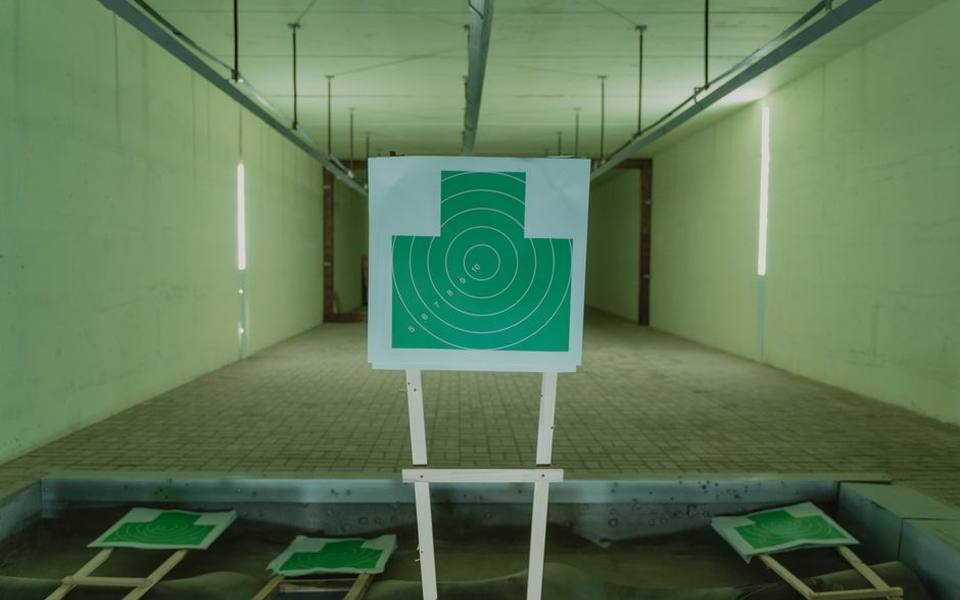
Many students choose to work through these drills inside climate-controlled indoor shooting ranges equipped with turning target carriers or dynamic lighting systems. These technical features allow instructors to simulate low-light conditions, muzzle flash reflections, and rapidly shifting threat silhouettes. Practicing in these realistic settings teaches shooters how their vision narrows and fine motor skills degrade when their physiological alarm state activates.
Discrimination drills, commonly known as shoot-or-don't-shoot exercises, form the core of advanced range work. Targets frequently depict ambiguous figures holding innocuous items like cell phones, wallets, or power tools alongside overt weapons. Shooters must make rapid verbal challenges and evaluate legal justification before engaging, preventing the dangerous reflex of firing automatically at any target that turns downrange toward them.
After-action assessments follow every live drill, forcing shooters to account for every round fired and justify their timing. Instructors review stance stability, scan patterns after shooting, and situational awareness resets. This deliberate debriefing instills accountability, ensuring that range speed never compromises basic firearm safety or the legal requirement of identifying genuine hostility before deploying lethal force.
Tactical Trauma Care and Emergency Field Medicine
Trauma medical instruction tailored for tactical environments focuses squarely on preventable deaths caused by severe external hemorrhage, airway obstruction, and tension pneumothorax. Derived from military tactical casualty care protocols, civilian courses emphasize rapid interventions that can be performed in under sixty seconds. Students learn that in catastrophic incidents, bleeding control must often precede traditional cardiopulmonary resuscitation to preserve circulating blood volume.
A central component of this training involves mastering mechanical windlass tourniquets on limbs under strict time limits. Instructors require students to apply tourniquets to themselves and others, often using one hand, in simulated darkness, or while lying on the ground. Understanding correct anatomical placement, high-and-tight initial positioning, and the intense physical pressure required for complete arterial occlusion prepares students for real-world application realities.
Wound packing represents another vital skill practiced extensively on lifelike medical mannequins. Students learn to insert specialized hemostatic or standard gauze deep into junctional areas such as the groin, armpits, and neck where tourniquets cannot be secured. Instructors emphasize packing gauze directly against the ruptured blood vessel while maintaining heavy, direct manual pressure for several minutes until clotting stabilizes.
Chest injury management rounds out tactical medical instruction, teaching students to identify penetrating torso wounds quickly. Applying vented occlusive seals prevents trapped air from collapsing a lung while allowing accumulated pressure to escape outward. These straightforward medical skills require zero formal healthcare background, yet they empower regular citizens to stabilize catastrophic injuries before emergency medical services arrive on scene.
Individual First Aid Kits and Essential Carry Gear
Carrying life-saving medical equipment requires understanding which tools are genuinely practical for everyday civilian carry. An Individual First Aid Kit, commonly termed an IFAK, should be organized for rapid, one-handed deployment under blind or low-light conditions. Training courses typically teach students how to organize their kits so that hemorrhage control items are instantly accessible without digging through minor bandages or diagnostic supplies.
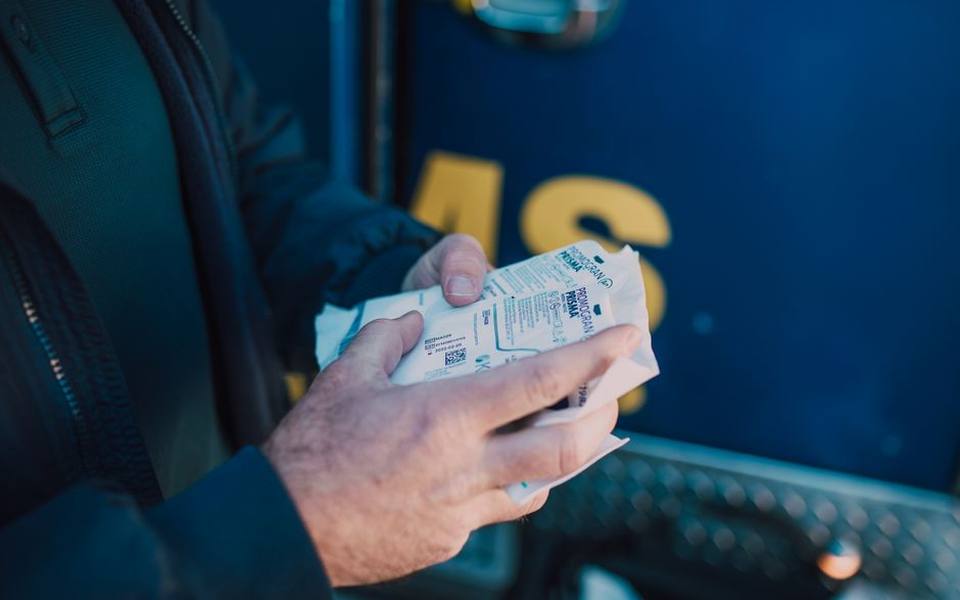
A compact civilian trauma kit typically contains one or two certified windlass or ratcheting tourniquets, a pack of compressed wound-packing gauze, a vented chest seal pair, and compact trauma shears. Many individuals keep one streamlined kit in their daily commuter backpack and another comprehensive version inside their vehicle console or trunk. Quality gear uses robust, tear-resistant nylon pouches that withstand friction and extreme vehicle heat.
Students are cautioned against buying inexpensive replica medical gear online, as structural failures under real tension are widely documented. Instructors teach students to inspect windlasses, buckles, and sterile packaging seals periodically for wear or degradation. Exposure to continuous ultraviolet light or pocket moisture can weaken plastic components and degrade adhesive hydrogel backing on chest seals over several months of storage.
Practical courses also teach improvisation techniques when dedicated medical gear is unavailable, alongside clear warnings about their limitations. While neckties and belts are commonly thought to function as improvised tourniquets, physiological tests show they rarely achieve complete arterial occlusion. Carrying a verified commercial tourniquet remains vastly superior, reinforcing the principle that preparation begins with carrying reliable, purpose-built gear.
Evaluating Non-Lethal Personal Protection Tools
Lethal force is legally and morally justified only in rare, extreme circumstances, making non-lethal protective options an essential layer of personal security. Self-defense classes often introduce students to aerosol irritants, conducted energy devices, and high-intensity tactical flashlights. Understanding when and how to deploy intermediate tools allows individuals to resolve aggressive encounters without facing the catastrophic legal and psychological aftermath of a firearm discharge.
Oleoresin capsicum, commonly known as pepper spray or pepper gel, remains the most widely recommended non-lethal tool for civilian carry. Training classes cover spray patterns, effective deployment distances typically between six and twelve feet, and wind compensation. Students practice drawing the canister from a pocket or purse, clearing safety flip-tops, and firing short, controlled bursts across an assailant's facial region while moving off the line of attack.
Conducted energy weapons, such as civilian stun devices and projectile tasers, offer neuromuscular incapacitation but carry operational trade-offs. Courses analyze device limitations, including thick clothing interference, limited range, and the critical need for both probes to connect properly. Instructors emphasize that intermediate weapons are designed primarily to buy the user several seconds to run to safety, not to subdue or detain an aggressive subject.
Tactical flashlights emitting high lumen outputs serve both as deterrents and navigational aids during night encounters. Emitting intense bursts of light directly into an approaching aggressor's eyes causes temporary night-blindness and disorientation, disrupting their movement and intentions. This non-violent intervention provides immediate standoff distance and vital seconds to reassess, de-escalate, or retreat before physical contact ever occurs.
De-Escalation, Spatial Awareness, and Avoidance Tactics
The most successful defensive engagement is the confrontation that never happens, which is why reputable defensive schools emphasize behavioral awareness above physical fighting. Instructors teach the color-coded Cooper awareness scale, training students to live in relaxed awareness rather than distracted oblivion. Spotting pre-assault indicators, such as glancing around for witnesses, blading the body, or closing distance unnaturally, gives you crucial seconds to alter your path.
Verbal de-escalation training challenges students to manage their own adrenaline and ego during heated verbal confrontations. Role-playing scenarios force participants to practice calm, assertive body language, keeping hands raised in a non-threatening defensive fence while maintaining physical boundaries. Instructors stress that backing down from verbal provocation is never cowardice; it is sound legal and practical risk management.
Spatial positioning exercises illustrate the importance of maintaining an unobstructed reactionary gap of at least ten to twenty feet from unknown individuals. When individuals cross that threshold, students learn to position physical obstacles, like parked vehicles, counters, or outdoor furniture, between themselves and the approaching individual. This simple habit disrupts straight-line attacks and provides immediate barriers against sudden lunges or physical strikes.
Courses also address crowd dynamics during panic events, teaching students how to avoid getting crushed against walls or bottlenecks. Walking along peripheral edges, avoiding dense chokepoints, and spotting emergency staff exits in movie theaters and sports arenas are covered in detail. Cultivating these observational habits transforms passive bystanders into aware, proactive navigators of their everyday surroundings.
Integrating Defensive Skills into Range Practice
Transitioning foundational skills into practical competence requires dedicated time across versatile shooting range facilities. Training on a flat static firing line cannot fully replicate the fluid dynamics of a defensive encounter. Comprehensive courses bridge this divide by introducing lateral movement, drawing from concealment, shooting around barricades, and transitioning between hands while maintaining strict muzzle discipline.
Students learn how to utilize cover versus concealment effectively during live-fire scenarios. Cover stops incoming projectiles, such as engine blocks, concrete pillars, and brick walls, whereas concealment only hides your silhouette, like drywall, hollow doors, or office cubicles. Instructors teach shooters to stay back from the physical edge of cover to prevent crowding the barricade and exposing limbs or weapon barrels prematurely.
One-handed weapon manipulations are routinely drilled to prepare for situations where an arm is injured or occupied holding family members or a flashlight. Students practice drawing, clearing common stovepipe or double-feed malfunctions, and reloading using belt edges or holster lips. These challenging manipulations reveal mechanical deficiencies in holsters, magazines, and grip technique that standard two-handed target shooting never exposes.
Whether you are practicing at outdoor facilities or seeking structured coaching at shooting ranges in Texas, progressive repetition is key. Dedicated shooters regularly cycle through timed draws, tactical reloads, and malfunction clearances under simulated time pressure. Maintaining these skill sets requires deliberate, routine range visits that focus on accountability, mechanical economy, and consistent defensive marksmanship.
Legal Standards and Use-of-Force Dynamics
Carrying defensive tools and practicing tactical response requires a thorough understanding of the legal frameworks governing justifiable force. Across the United States, lethal force is generally permissible only when an individual reasonably believes it is necessary to prevent imminent death or severe bodily harm. Tactical instructors spend significant classroom time deconstructing the legal definitions of ability, opportunity, and jeopardy in real-world defensive contexts.
Courses analyze the critical distinction between Stand Your Ground statutes and traditional Duty to Retreat doctrines, which vary dramatically depending on the state. Instructors outline why choosing to disengage and retreat when safe is almost always the legally sound choice, regardless of statutory permissions. Understanding how a prosecutor or jury reviews your actions prevents defensive interventions from turning into costly criminal indictments.
The legal implications of intermediate, non-lethal weapons are also examined in detail. Deploying pepper spray or a conducted electrical weapon without an articulate threat can still constitute criminal assault or battery under municipal and state laws. Students learn that all force deployments must be objectively reasonable and proportional to the resistance or hostility offered by the aggressor at that specific second.
Post-incident procedures are rigorously rehearsed to help students navigate interactions with law enforcement following a defensive incident. Instructors teach students how to contact emergency dispatchers, provide physical descriptions, request medical assistance, and articulate their status as a victim. Maintaining composure and consulting legal counsel before providing detailed formal statements protects defenders during subsequent investigations.
Selecting the Right Training Curriculum for Your Needs
Finding an educational pathway that balances safety, technical credibility, and civilian relevance requires careful instructor vetting. Many individuals make the mistake of enrolling in specialized military-style dynamic courses before establishing solid firearm fundamentals, basic trauma medicine, or personal fitness. A logical training journey begins with foundational defensive handgun courses, followed by civilian medical classes, before progressing toward advanced scenario simulations.
When researching schools and instructors, examine their teaching philosophy and civilian coaching experience. Instructors who emphasize situational awareness, safe weapons handling, and conflict avoidance are typically far more beneficial for everyday citizens than programs focused solely on tactical posturing. Transparent credentialing, clear safety protocols, and positive student reviews within established range directories help filter out unqualified trainers.
Proper physical and mental preparation before class ensures you get the maximum benefit from your investment. Bring reliable eye and ear protection, a sturdy belt, a well-molded holster, and plenty of water for physically demanding range sessions. Being open to constructive criticism from veteran instructors accelerates skill acquisition and weeds out bad habits developed during unsupervised solo shooting.
Continuous learning is essential because tactical and medical skills degrade rapidly without recurring practice. Setting an annual training schedule that includes one formal course, monthly structured range drills, and periodic medical gear reviews keeps your capabilities sharp. Safety, precision, and decisive emergency response are perishable disciplines that reward consistent, patient dedication over a lifetime.
Published 2026-09-21 · reviewed with each rebuild, last September 2026.
Find shooting ranges near you
The directory lists 6,919 shooting ranges by state and city — pick your state or use the “Near me” button in the header.
More guides
-
 Safety
Can a Felon Go to a Shooting Range? Federal Rules, Range Policies, and Shooting Sports Explained
-
 Money
MoneyGun Range Costs and Rental Guide: Fees, Ammo, and What to Expect
-
 Safety
Concealed Carry Permit Costs, Classes, and Certification Guide
-
 Service
Pinning and Welding a Muzzle Device: Legal Standards and Technical Steps
-
 Buying
FFL Transfer Fees, Background Checks, and NFA Kiosks Explained
-
 Buying
Where and How to Buy Police Trade-In Firearms Safely
-
 Owning
Beginner Guide to Long-Range Shooting: Distances, Tips, and Calculators
-
 Owning
How to Choose the Best Outdoor Shooting Range for Your Needs
-
 Safety
Indoor & Public Shooting Ranges: Etiquette, Costs, & Locating Ranges
-
 Safety
Gun Safety Courses, Hunter Education, and Concealed Carry Certification Guide
-
 Owning
Firearms Licensing, FOID Cards, and Background Checks: Verification, Processing, and Appeals
-
 Owning
Target Shooting Sports: Clay, Trap, Skeet, and Precision Rifle Disciplines
-
 Owning
Gun Cleaning Kits and Maintenance: Solvents, Bore Snakes, and Ultrasonic Cleaners
-
 Safety
Shooting Range Ear Protection & Custom Molded Earplugs
-
 Safety
Tactical Firearms Training and Advanced Defense Courses Guide
-
 Owning
Shooting Range Accessories: Eye Protection, Range Bags, and Shooting Rests
-
 Owning
Indoor Archery and Crossbow Shooting: Practical Range Guide, Zeroing, and Gear
-
 Service
Gunsmithing Services: Firearm Restoration, Stock Refinishing, and Custom Work
-
 Storage
Gun Safes and Storage Solutions: Biometric Locks, Humidity, and Ammo Storage
-
 Safety
Custom Molded Hearing Protection and Shooting Earplugs Guide
-
 Owning
Modern Shooting Ranges, Home Simulators, and Training Memberships
-
 Buying
Shooting Gear, Target Optics, Tools, and Ballistics Essentials
-
 Owning
Firearm Licensing, Permits, Background Checks, and Guard Rules
-
 Safety
Firearms Training and Self-Defense Classes: Beginner to Advanced
-
 Safety
Target Practice in the Digital Age: Viral Trends, Range Etiquette, and Practical Drills
-
 Owning
Custom Kydex Holsters Guide: Types, Revolver Fits, and Draw Techniques
-
 Owning
Complete Guide to Kitchen Range Hood Venting, Ductwork, and Installation
-
 Service
Creative Birthday Photoshoot Ideas for Kids, Teens, and Adults
-
 Buying
Portable, Ductless, and Under-Cabinet Range Hood Selection Guide
-
 Buying
Commercial Kitchen Exhaust Hoods: Complete Selection and Ventilation Guide
-
 Safety
NRA Range Safety Officer Certification: Requirements, Training, and Field Expectations