Starting Out with Structured Firearm Training
Quality firearm education begins long before anyone unholsters a loaded weapon on an active firing line. For novice shooters, the primary hurdle is rarely physical coordination; it is developing reliable safety discipline and understanding how a modern handgun functions under direct supervision. Professional instruction bridges the gap between mechanical curiosity and competent handling. It replaces informal advice from family or friends with standardized, proven safety doctrines that keep both the shooter and those around them safe during live-fire practice.
Most educational pathways follow a clear tiered structure. Initial coursework focuses strictly on universal safety rules, weapon anatomy, administrative loading and unloading, and the core fundamentals of marksmanship. Once a baseline level of safe manipulation is demonstrated, students can progress into dynamic coursework that addresses defensive decision-making, rapid threat assessment, and shooting under stress. Enrolling in established shooting ranges with classes and training ensures that students learn within controlled, insured facilities under vetted coaches.
Choosing to train systematically reduces the risk of ingraining bad habits that can take months to unlearn. A proper introductory curriculum gives newcomers the vocabulary and technical baseline necessary to evaluate future training opportunities responsibly. Whether someone aims to protect their home, carry a concealed firearm daily, or simply enjoy recreational target shooting, structured coursework provides the legal, ethical, and mechanical foundation needed to proceed safely.
What to Expect in a Beginner Handgun Course
A well-structured beginner handgun class typically divides its time between a quiet classroom setting and an active firing bay. The classroom portion covers the four primary rules of firearm safety: treating every firearm as loaded, keeping the muzzle pointed in a safe direction, keeping the trigger finger straight along the frame until ready to fire, and knowing the target and what lies beyond it. Instructors walk through the mechanical differences between semi-automatic handguns and revolvers, showing students how slides cycle, how magazines lock into place, and how extractors clear spent brass.
Physical mechanics come next. Coaches teach students how to establish a high, firm master grip with the dominant hand while wrapping the support hand securely into the remaining surface area of the frame. Proper grip geometry controls recoil and prevents the handgun from shifting between shots. Instructors also introduce sight alignment, sight picture, and balanced foot positioning, emphasizing stable stances that allow natural recoil absorption without pushing the shooter off balance.
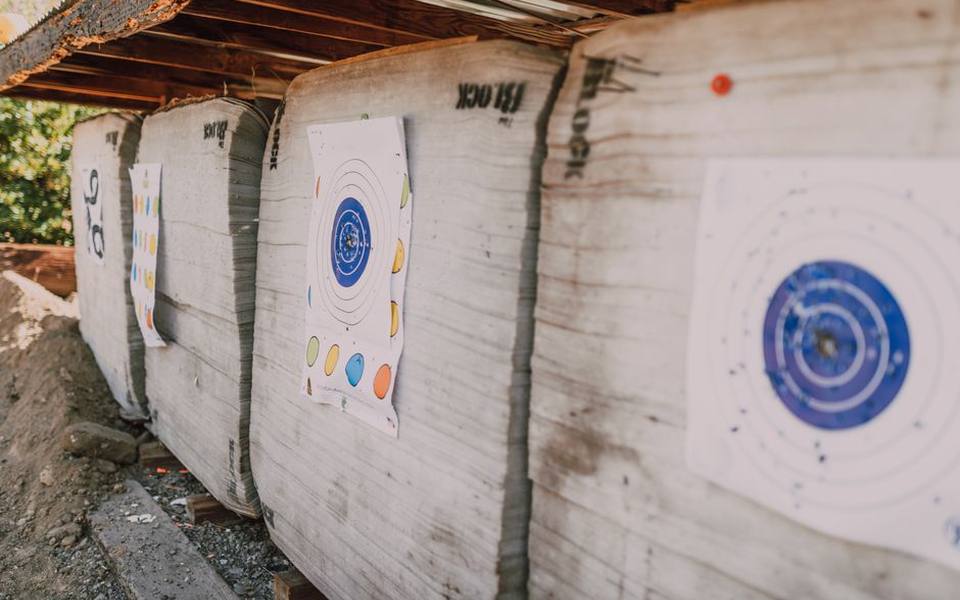
When students finally step onto the live-fire range, target distances are kept short, typically between three and five yards. The goal is not rapid shooting or tactical acrobatics; it is the deliberate application of trigger control without disturbing sight alignment. Instructors usually work closely with individuals, monitoring their administrative weapon handling, ensuring muzzles stay pointed downrange at all times, and helping students achieve predictable shot groups on paper targets.
Understanding the Standardized Basic Pistol Curriculum
Standardized coursework, such as the widely recognized basic pistol course developed by national training bodies, serves as the benchmark for entry-level civilian education across the country. These courses follow rigorous, nationally vetted syllabi designed to produce consistent learning outcomes regardless of where the class is taught. Many state licensing boards accept completion certificates from an accredited basic firearm training course as valid proof of competency when an individual applies for a concealed carry permit.
Modern standardized courses are frequently offered in blended learning formats. In this model, students complete self-paced theoretical modules online, covering ammunition components, ballistics basics, cleaning procedures, and safe storage methods at home. Once the exam is passed, students attend an in-person session focused entirely on practical handling exercises, dry-fire drills with dummy ammunition, and live-fire range qualifications.
The live-fire portion of an accredited basic pistol curriculum requires shooting specific group sizes at designated distances to earn a certificate of completion. While the qualification standards are designed to be achievable for novices, they mandate strict adherence to range protocol and safe gun manipulation. Earning this credential confirms that a shooter understands range etiquette, clearing common stoppages, and maintaining complete muzzle control under direct observation.
Women-Focused Instruction and Dedicated Training Environments
The demand for dedicated womens shooting class offerings has grown dramatically across public and private ranges. While firearms are mechanically indifferent to gender, many female shooters prefer learning alongside peers in an environment free from condescension or unsolicited advice. Specialized classes provide a comfortable forum where participants can ask practical questions about personal safety, recoil management, and weapon selection without intimidation.
Biomechanics represent a practical distinction addressed in women-focused training. Hand size, finger reach, and upper body strength ratios vary significantly across individuals, making certain compact handguns difficult to rack or control. Experienced instructors guide students through alternative slide-racking techniques, such as pushing the frame forward while pinning the slide, rather than relying solely on finger pinch strength. This mechanical leverage allows shooters of any stature to operate modern semi-automatics reliably.
On-body carry considerations also receive detailed attention in these courses. Traditional waistband holsters, designed primarily around men's belts and torso profiles, often require adjustment for female anatomy and varied everyday attire. Specialized classes explore different holster mounting options, off-body carry realities, purse carry risks, and methods for clearing concealing garments cleanly. This practical guidance helps women make realistic gear investments tailored to their lifestyle and physical comfort.
Transitioning from Marksmanship to Self-Defense
Marksmanship and defensive gun handling are distinct skill sets that build upon one another. Precision target shooting assumes static targets, generous time limits, good lighting, and stationary stances. In contrast, self defense gun classes introduce the realities of real-world confrontations, where threats are mobile, time is measured in split seconds, and stress severely degrades fine motor skills. Defensive training teaches shooters to balance acceptable accuracy with the speed required to neutralize a violent encounter.
A critical component of intermediate defensive training is presenting the firearm cleanly from a holster. Drawing a loaded gun under time pressure requires deliberate, repeatable movement steps: clearing clothing, establishing a full firing grip while the gun is seated, lifting the muzzle directly toward the threat, and joining the support hand as the gun drives toward eye level. Instructors emphasize trigger discipline throughout the draw stroke to avoid negligent discharges under stress.
Defensive courses also incorporate target discrimination drills, where students must process visual or verbal commands before firing. Rather than shooting on a predictable timer, participants must identify whether a target represents an imminent threat, an innocent bystander, or a retreating assailant. This cognitive processing trains shooters to look beyond their front sight and make lawful, justifiable decisions under acute pressure.
Equipment Selection and the Value of Rental Fleets
One of the most common mistakes new students make is purchasing a firearm before attending their first lesson. Without hands-on experience, beginners often buy guns based on marketing claims, aesthetics, or recommendations that do not match their hand geometry. Taking an initial course using firearms provided by the training academy or visiting shooting ranges with gun rentals allows individuals to test multiple frame sizes, trigger designs, and calibers before spending hundreds of dollars on equipment.
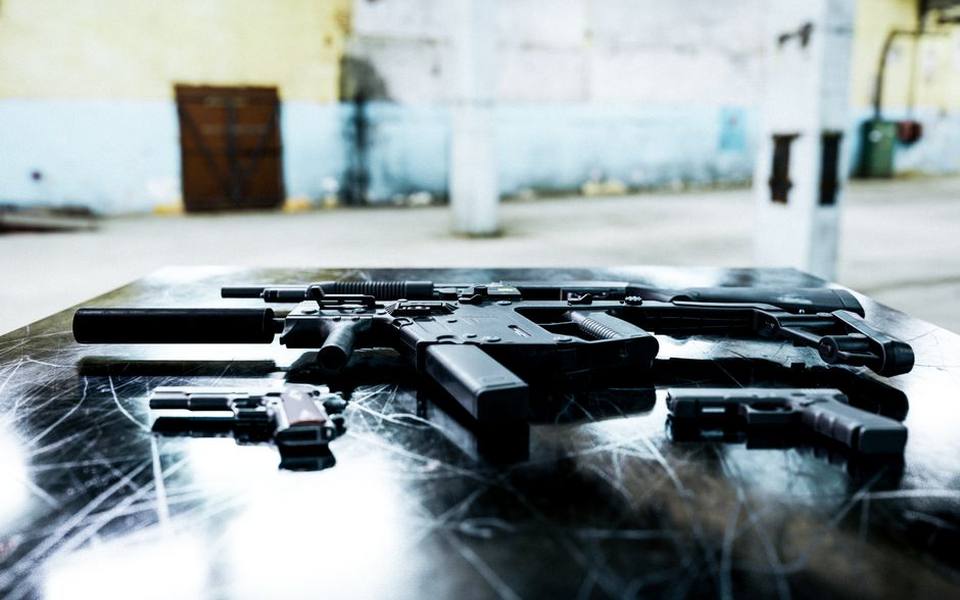
During introductory sessions, instructors frequently provide standard full-size or compact handguns chambered in nine-millimeter or rimfire calibers. Rimfire options allow novices to master trigger manipulation and sight alignment without coping with loud muzzle blasts or substantial felt recoil. Once the fundamentals are clear, students can step up to centerfire calibers to understand how different frame weights absorb energy during live fire.
Proper personal safety gear is mandatory at every session. Quality eye protection should feature wrap-around lenses with recognized impact resistance ratings. Ear protection must have an adequate Noise Reduction Rating, with electronic earmuffs strongly recommended because they amplify instructor commands while dampening the sharp decibel peaks of gunshots. Comfortable clothing, closed-toe shoes, and high-collared shirts prevent hot spent casings from causing burns or distracting the shooter.
Navigating Regional Landscapes in the West and Southwest
Training opportunities often reflect the local climate, range infrastructure, and legal frameworks of specific metropolitan areas. For instance, students seeking self defense classes in Portland often rely on dedicated indoor facilities during wet winter months, where certified instructors focus heavily on state-specific use-of-force laws and lawful home-defense parameters. Oregon students must understand the nuances of local concealed carry permitting, which requires verified training certificates prior to county sheriff application.
Further south and east, those researching self defense classes in Denver encounter a vibrant mix of traditional indoor ranges and expansive outdoor training centers along the Front Range. Colorado courses routinely emphasize outdoor defensive tactics, addressing seasonal wind, wide-open shooting distances, and legal restrictions regarding standard-capacity magazines. Reputable local coaches ensure that instruction aligns perfectly with Colorado's municipal and state-level statutory requirements.
In the desert Southwest, individuals looking for self defense classes in Phoenix find access to some of the largest shooting facilities in the nation. Because Arizona is a constitutional carry state where permits are not legally required for standard carry, the primary motivation for taking classes shifts toward personal responsibility, practical competence, and multi-state permit reciprocity. Instructors in the Phoenix metro area place considerable emphasis on intense heat considerations, such as holster sweat guards, ammo degradation, and firearm maintenance in dusty environments.
Training Dynamics in High-Density and East Coast Metros
Urban environments present distinct administrative and tactical challenges. In Texas, where firearm ownership is culturally widespread, students pursuing self defense classes in Dallas benefit from an extensive infrastructure of modern indoor training academies. Texas facilities often integrate live-fire bays with shoot-house scenarios, allowing students to practice clearing rooms and navigating hallways under certified supervision. With hundreds of locations documented in the shooting ranges in Texas directory, shooters have an abundance of classroom choices.
Conversely, students seeking self defense classes in Philadelphia must navigate Pennsylvania's distinct statutory landscape regarding urban carrying and transportation. While Pennsylvania maintains accessible permitting guidelines through county sheriff offices, urban centers demand rigorous understanding of justified deadly force in tight spaces. Searching local facilities within the shooting ranges in Pennsylvania network reveals numerous instructors who specialize in street awareness, defensive de-escalation, and parking-lot defense strategies.
In the Mid-Atlantic corridor, enrolling in self defense classes in DC involves some of the most rigorous regulatory steps in the United States. Obtaining a concealed carry license in the District requires an extensive curriculum consisting of sixteen hours of classroom instruction and two hours of range training with an approved instructor. Courses in this region focus exhaustively on federal property boundary restrictions, transit carry prohibitions, and extreme legal liability in crowded public sectors.
Advanced Tactical Drills and Realistic Scenarios
Once a shooter demonstrates flawless safety habits and dependable marksmanship, advanced tactical training introduces dynamic movement and problem-solving. These upper-tier classes step away from standard shooting stalls to utilize open tactical bays. Students learn how to draw while moving laterally, shoot from unconventional positions such as kneeling or urban prone, and deliver accurate fire while maintaining situational awareness of their surrounding environment.
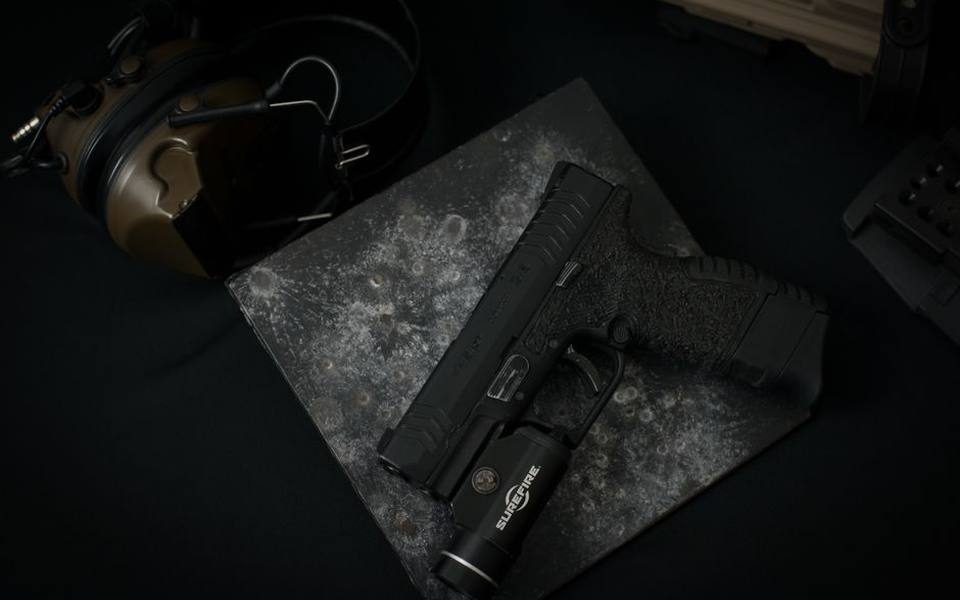
Malfunction clearance under pressure forms a major component of advanced skill-building. Instructors set up intentional feed stoppages, double feeds, and stovepipes using dummy rounds mixed into magazines. Shooters must diagnose the mechanical stoppage instantly through tactile feel and visual checks, clearing the issue via tap-rack-bang procedures or lock-rip-work sequences without losing focus on downrange threats.
Low-light and no-light training exposes shooters to the reality that most violent encounters occur in dim environments. Students learn how to manipulate handheld tactical flashlights alongside their handguns, practicing established techniques like the Harries or FBI flashlight holds. These modules teach participants how to illuminate threats for positive identification without backlighting themselves or telegraphing their movement to an adversary.
Vetting Instructors and Maintaining Long-Term Proficiency
Selecting the right instructor is just as critical as choosing the right course syllabus. A qualified instructor should hold recognized credentials from established national organizations, state policing standards commissions, or reputable private tactical academies. Prospective students should look for coaches who can articulate the legal and pedagogical reasons behind their techniques, rather than relying solely on personal combat or law enforcement stories that may not translate to civilian legal contexts.
Indoor training hubs play an essential role in maintaining sharp fundamentals year-round. Browsing vetted indoor shooting ranges provides climate-controlled spaces to practice recoil recovery, cadence shooting, and sight tracking without seasonal disruptions. While live-fire range trips are vital, regular dry-fire practice at home—using verified unloaded firearms and dummy ammunition—cements muscle memory and trigger discipline cost-effectively.
A comprehensive directory like the gun and shooting ranges near you index helps shooters locate regional training programs that fit their development goals. Safe gun handling is a perishable skill that degrades without consistent practice. Committing to an annual refresher class, combined with monthly range sessions and disciplined home drills, ensures that your response during an emergency remains deliberate, safe, and legally defensible.
Published 2026-09-21 · reviewed with each rebuild, last September 2026.
Find shooting ranges near you
The directory lists 6,919 shooting ranges by state and city — pick your state or use the “Near me” button in the header.
More guides
-
 Safety
Can a Felon Go to a Shooting Range? Federal Rules, Range Policies, and Shooting Sports Explained
-
 Money
MoneyGun Range Costs and Rental Guide: Fees, Ammo, and What to Expect
-
 Safety
Concealed Carry Permit Costs, Classes, and Certification Guide
-
 Service
Pinning and Welding a Muzzle Device: Legal Standards and Technical Steps
-
 Buying
FFL Transfer Fees, Background Checks, and NFA Kiosks Explained
-
 Buying
Where and How to Buy Police Trade-In Firearms Safely
-
 Owning
Beginner Guide to Long-Range Shooting: Distances, Tips, and Calculators
-
 Owning
How to Choose the Best Outdoor Shooting Range for Your Needs
-
 Safety
Indoor & Public Shooting Ranges: Etiquette, Costs, & Locating Ranges
-
 Safety
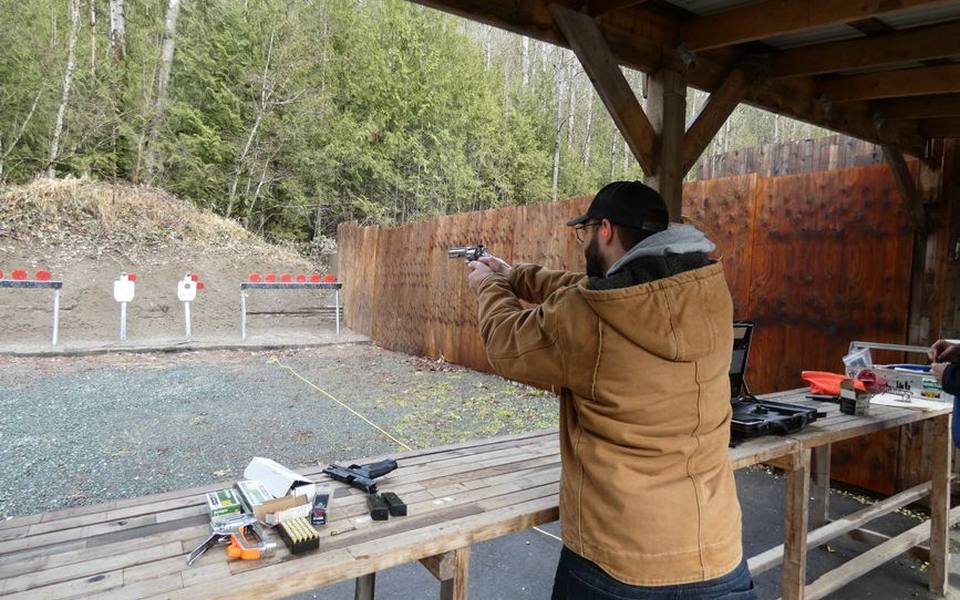
Gun Safety Courses, Hunter Education, and Concealed Carry Certification Guide
-
 Owning
Firearms Licensing, FOID Cards, and Background Checks: Verification, Processing, and Appeals
-
 Owning
Target Shooting Sports: Clay, Trap, Skeet, and Precision Rifle Disciplines
-
 Owning
Gun Cleaning Kits and Maintenance: Solvents, Bore Snakes, and Ultrasonic Cleaners
-
 Safety
Shooting Range Ear Protection & Custom Molded Earplugs
-
 Safety
Tactical Firearms Training and Advanced Defense Courses Guide
-
 Owning
Shooting Range Accessories: Eye Protection, Range Bags, and Shooting Rests
-
 Owning
Indoor Archery and Crossbow Shooting: Practical Range Guide, Zeroing, and Gear
-
 Service
Gunsmithing Services: Firearm Restoration, Stock Refinishing, and Custom Work
-
 Storage
Gun Safes and Storage Solutions: Biometric Locks, Humidity, and Ammo Storage
-
 Safety
Custom Molded Hearing Protection and Shooting Earplugs Guide
-
 Owning
Modern Shooting Ranges, Home Simulators, and Training Memberships
-
 Buying
Shooting Gear, Target Optics, Tools, and Ballistics Essentials
-
 Owning
Firearm Licensing, Permits, Background Checks, and Guard Rules
-
 Safety
Target Practice in the Digital Age: Viral Trends, Range Etiquette, and Practical Drills
-
 Owning
Custom Kydex Holsters Guide: Types, Revolver Fits, and Draw Techniques
-
 Safety
Tactical Defense Courses: Active Shooter Response, Medic Training, and Self-Defense
-
 Owning
Complete Guide to Kitchen Range Hood Venting, Ductwork, and Installation
-
 Service
Creative Birthday Photoshoot Ideas for Kids, Teens, and Adults
-
 Buying
Portable, Ductless, and Under-Cabinet Range Hood Selection Guide
-
 Buying
Commercial Kitchen Exhaust Hoods: Complete Selection and Ventilation Guide
-
 Safety
NRA Range Safety Officer Certification: Requirements, Training, and Field Expectations