How Custom Molded Ear Protection Works
Custom molded hearing protection creates an acoustic seal tailored exactly to the unique anatomical contours of your ear canal and concha bowl. Standard disposable foam plugs and generic flanged rubber tips rely on outward expansion or friction to block sound, which frequently leads to uneven pressure points, gradual slippage during movement, or acoustic leaks when talking or chewing. A tailored mold distributes contact evenly, eliminating discomfort while establishing a reliable barrier against damaging sound pressure levels across hours of continuous wear.
The human ear canal is rarely straight or symmetrical between left and right sides. Off-the-shelf universal inserts tend to compress soft tissue unevenly or work their way loose when facial muscles engage. In contrast, molded ear protection stays anchored because it matches the exact bends of your canal. This precise fit prevents sound waves from finding hairline pathways past the material, which is critical when dealing with impulsive peak pressures that can cause permanent inner-ear cell trauma.
Whether you spend time behind a rifle bench, perform on stage, commute on a motorcycle, or try to sleep through ambient city noise, the primary advantage of custom plugs remains consistency. Once seated, they maintain their designated attenuation rating without the need for constant fiddling or reseating. Knowing that the seal will not spontaneously fail during a rapid string of fire or mid-performance allows you to focus entirely on the task at hand.
Audiologist Impressions Versus At-Home Molding Kits
Acquiring custom plugs generally follows one of two distinct paths: visiting a licensed audiologist for a deep physical impression or purchasing an over-the-counter do-it-yourself kit. Professional laboratory plugs start with a practitioner placing a small foam or cotton dam deep inside your ear canal just forward of the eardrum. They then inject a smooth medical-grade silicone compound that cures within a few minutes to capture every subtle curve of the canal, tragus, and outer bowl before sending the cast to an earmold lab.
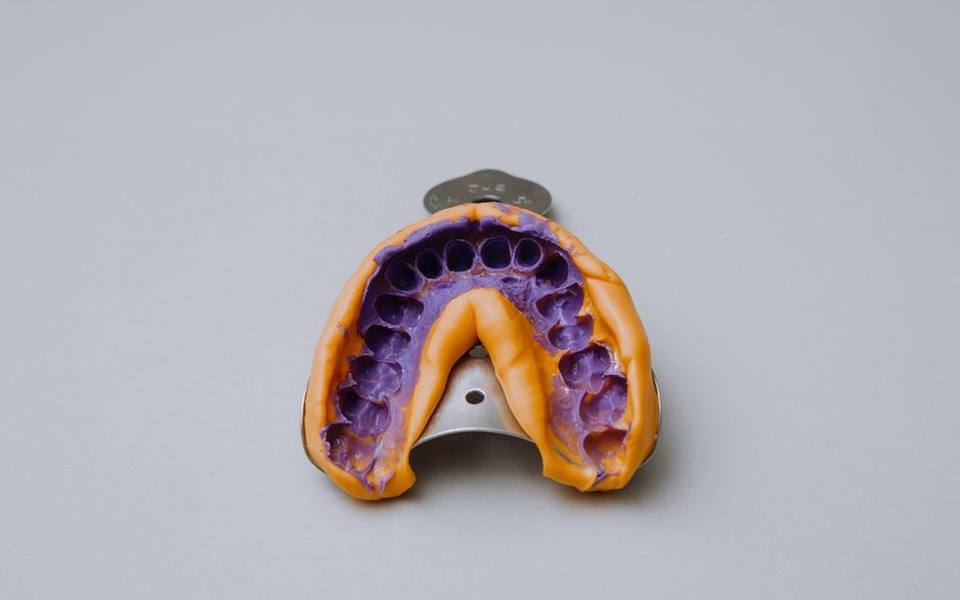
At-home alternatives generally take two forms. Two-part silicone putty sets, popularized by DIY systems like Radians ear plugs, require kneading two colored compounds together by hand and packing the mixture directly into the outer ear until it cures into a flexible plug. While inexpensive and fast, DIY putty rarely penetrates past the first bend of the canal, creating an outer shell that blocks ambient sound adequately but lacks the deep-canal seal of a lab-poured plug.
The second DIY format uses boil-and-shape thermoplastic rings, such as Decibullz systems, paired with silicone tips. These units soften in hot water, allowing you to press the pliable plastic collar into your concha bowl while a center channel accepts swappable components. If you make a mistake during shaping, you simply reheat the polymer in hot water and remold it. While professional audiologist impressions provide superior depth and acoustic precision, modern moldable thermoplastics bridge the gap effectively for casual shooters and hobbyists on a budget.
Percussive Filters and Shooting Line Protection
Traditional solid plugs block sound uniformly across all frequencies, which often makes normal range communication, range officer commands, and situational cues muffled and difficult to decipher. To solve this problem without resorting to heavy battery-operated earmuffs, many shooters turn to non-electronic filtered plugs. Systems utilizing Decibullz percussive filters or similar mechanical acoustic valves rely on physical diaphragms that respond dynamically to rapid pressure waves rather than relying on microchips.
Under quiet conditions, the internal mechanical baffle remains open, allowing low-decibel sound waves like speech, footsteps, and distant environmental sounds to travel through a miniature vent directly to the eardrum. When a high-energy impulse occurs—such as a rifle discharge or blast wave—the physical valve snaps closed or creates high-resistance acoustic turbulence that instantly attenuates the spike. This provides immediate passive protection against gunshot pressure while restoring normal hearing the moment the blast subsides.
These mechanical impulse plugs are especially valuable when training outdoors or practicing dynamic movement drills where situational awareness is critical. When visiting established shooting range facilities, filtered custom plugs offer a reliable balance between communication and hearing defense, eliminating the hollow isolation associated with dense foam cylinders.
Acoustic Tuning for Musicians and Concertgoers
Standard hearing protection reduces high frequencies dramatically while allowing lower bass frequencies to vibrate through, resulting in a dark, muffled acoustic profile that ruins live music. For audio engineers, performers, and discerning audience members, musician custom earplugs solve this dilemma by providing linear attenuation. Rather than deadening the music, custom made earplugs for musicians lower the overall volume evenly across the entire frequency spectrum from 125 Hz to 8 kHz.
This balanced attenuation is achieved through precision acoustic filter membranes installed within the silicone or hard acrylic body. Common filter levels typically drop sound pressure by roughly 9, 15, or 25 decibels, depending on the performance setting. A drummer or guitarist standing directly adjacent to amplified stacks will likely lean toward heavier attenuation, whereas classical orchestral players or acoustic vocalists generally favor lighter filters that preserve natural timber and pitch clarity.
For music lovers attending crowded live shows, custom earplugs for concerts preserve the subtle nuances of vocals and instruments without exposing ears to sustained levels exceeding 100 decibels. Because the plugs are shaped precisely to the wearer's ears, they stay put through dancing and heat without working loose. Investing in custom earplugs for musicians ensures you experience the dynamic fidelity of live audio while safeguarding your hearing against permanent tinnitus.
Custom Fit Earphones and Molded Earbuds
Bridging the gap between pure hearing protection and daily multimedia listening, custom fit ear phones have become increasingly popular for both audio enthusiasts and active commuters. Standard commercial earbuds rely on flexible silicone bulbs that compress inside the ear canal, but they rarely form an airtight seal for every anatomy. Custom molded earbuds utilize identical impression techniques as industrial hearing protection, housing miniature balanced armature drivers directly inside custom-shaped acrylic or silicone shells.

Because molded earbuds achieve complete acoustic isolation naturally, you do not need to crank the audio volume to drown out loud ambient environments like subways, gym machinery, or outdoor construction. Listening at lower volume levels dramatically reduces cumulative inner-ear fatigue over long workdays. Additionally, the lack of friction or uneven outward pressure prevents the soreness common after wearing off-the-shelf wireless earbuds for more than an hour.
Some manufacturers also provide custom silicone sleeves designed to slip over popular consumer earbud stems, transforming universal earbuds into custom-tailored devices. Whether you choose dedicated custom in-ear monitors or aftermarket molded adapters, the result is improved bass response, superior dynamic range, and consistent retention during rigorous physical activity.
Motorcycle Riding and Helmet Clearance
Motorcyclists face a unique acoustic hazard that many riders misjudge: sustained wind rush inside a full-face helmet. At highway speeds, aerodynamic turbulence around helmet vents and visors typically reaches between 95 and 105 decibels, a level capable of inflicting permanent hearing damage in less than thirty minutes. Generic foam plugs can work, but their protruding stems often rub against the helmet EPS liner, causing intense pain or pulling the plug loose as you pull the helmet down.
Dedicated custom earplugs for motorcycle riding feature an ultra-low-profile concha design, often called a hollow canal or low-profile half-shell. The exterior edge sits completely flush with the tragus and outer ear cavity, leaving zero material to snag on helmet padding during head checks or removal. Soft medical-grade silicone ensures that jaw movement from talking through a comm system or chewing gum does not break the seal.
Filtered motorcycle plugs allow riders to hear engine revs, approaching vehicle horns, and intercom communications while specifically dampening the exhausting roar of high-velocity wind turbulence. Reducing continuous white noise noticeably decreases mental fatigue during multi-hour road trips, allowing riders to maintain sharper focus and reaction times in heavy traffic.
Soft Silicone Molds for Side Sleepers
Snoring partners, barking neighborhood pets, and unpredictable apartment noise drive many individuals to seek reliable overnight protection. While disposable foam cylinders are cheap, they routinely pop out when side sleepers press their ear against a firm pillow, or their rigid expansion causes deep canal throbbing by early morning. Custom earplugs for sleeping are engineered specifically to eliminate these mechanical issues through specialized material selection and exterior profiling.
Sleep-specific plugs are poured using the softest medical silicons available, typically featuring a Shore hardness rating much lower than shooting or industrial earmolds. Lab technicians hollow out or bevel the concha portion until it forms a sunken face that sits sub-flush with the ear surface. When your head rests flat on a pillow, there is no hard plastic or bulky mass to push the canal inward or apply pressure against the sensitive ear cartilage.
Because these plugs lack filters or open acoustic vents, they deliver high passive attenuation against unpredictable household frequencies. Proper hygiene is essential for sleep molds, as wearing them for eight continuous hours locks moisture inside the canal. Washing the silicone with mild soap daily prevents skin irritation and keeps the flexible material hygienic for years of nightly use.
Shooting Disciplines and Indoor Range Requirements
The sound pressure generated by centerfire firearms ranges between roughly 140 and 165 decibels, well above the threshold where instantaneous acoustic damage occurs. When practicing at outdoor clays fields or open pits, custom molded plugs often provide sufficient attenuation on their own. However, when shooting inside an indoor range, concrete walls and metal dividers bounce blast energy back toward your ears repeatedly, intensifying the total acoustic load.
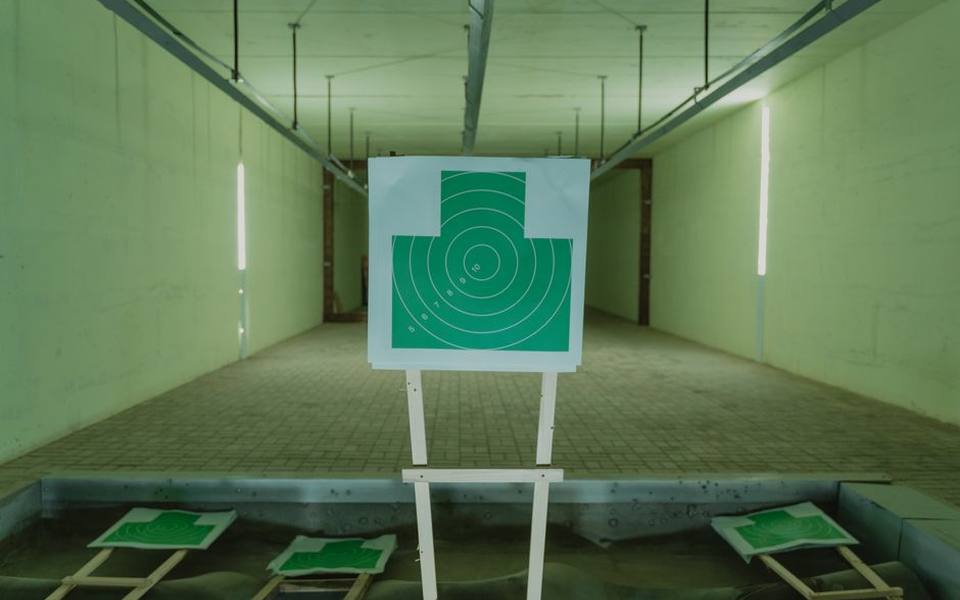
Under covered pavilions or inside enclosed lanes, experienced shooters frequently practice double protection—wearing slim over-ear muffs over custom molded earplugs. Standard foam plugs can bunch up or unseat when bumped by earmuff cups, but molded plugs stay securely positioned deep in the canal. This dual-layer setup delivers optimal noise reduction, ensuring that high-caliber magnum rounds fired in neighboring stalls do not leak past your defenses.
If you participate in tactical drills or take advantage of training or certification classes, the combination of custom plugs and electronic over-ear muffs provides exceptional flexibility. You can turn up the muff microphones to hear an instructor's voice with complete clarity, confident that the custom silicone molds beneath will buffer the shockwave when live fire commences.
Cleaning, Maintenance, and Shell Lifespan
Custom molded ear protection represents a modest financial investment, and proper maintenance determines whether a pair lasts two years or upwards of five. Ear canals naturally produce cerumen (earwax), which can coat the sound bore or plug vents, degrading acoustic filters and hardening flexible polymers over time. Establishing a brief cleaning habit after each range trip or concert keeps the material supple and prevents bacterial growth.
To clean solid silicone plugs, wipe them down with a damp microfiber cloth and mild soapy water, avoiding harsh alcohol solvents or petroleum-based cleansers that can dry out the silicone matrix. If your plugs contain delicate acoustic attenuation filters or electronic drivers, never submerge the assembly in water. Instead, use a specialized wax loop or soft brush to carefully pick away debris from the outer sound port before storing the units in a ventilated case.
It is also important to recognize that the human ear canal changes shape subtly over time due to aging, cartilage flexibility, and notable weight fluctuations. Most audiologists suggest evaluating the acoustic seal of molded hearing protection every three to five years. If you notice that you can hear ambient chatter more clearly or that gunfire sounds sharper than it once did, the material may have shrunk or your canal contour may have shifted, signaling it is time for a fresh impression.
Selecting the Right Protection for Your Routine
Choosing between audiologist-crafted lab earplugs, DIY silicone molds, and boil-and-shape filtered systems depends on your budget, primary activities, and how frequently you find yourself in noisy settings. If your schedule involves weekly live performances or frequent work in industrial sound environments, the long-term durability and perfect frequency linearity of professional lab-poured acrylics or medical silicons easily justify the initial appointment cost.
For weekend hobbyists renting firearms at local facilities with guns available to rent, moldable DIY kits offer an accessible entryway into tailored ear defense. While they do not provide the laser-measured accuracy of an audiologist cast, they substantially outperform poorly inserted disposable foam plugs in both comfort and retention, especially during hot summer range sessions where sweat causes smooth foam to slip.
Take stock of your primary noise exposure before ordering. Musicians should avoid solid plugs that muffle dynamics, motorcyclists must prioritize low-profile shells that clear helmet foam, and shooters should look for reactive percussive filters or dense solid silicone. By tailoring the material, filter style, and mold type to your lifestyle, you ensure dependable hearing health across all your hobbies.
Published 2026-09-21 · reviewed with each rebuild, last September 2026.
Find shooting ranges near you
The directory lists 6,919 shooting ranges by state and city — pick your state or use the “Near me” button in the header.
More guides
-
 Safety
Can a Felon Go to a Shooting Range? Federal Rules, Range Policies, and Shooting Sports Explained
-
 Money
MoneyGun Range Costs and Rental Guide: Fees, Ammo, and What to Expect
-
 Safety
Concealed Carry Permit Costs, Classes, and Certification Guide
-
 Service
Pinning and Welding a Muzzle Device: Legal Standards and Technical Steps
-
 Buying
FFL Transfer Fees, Background Checks, and NFA Kiosks Explained
-
 Buying
Where and How to Buy Police Trade-In Firearms Safely
-
 Owning
Beginner Guide to Long-Range Shooting: Distances, Tips, and Calculators
-
 Owning
How to Choose the Best Outdoor Shooting Range for Your Needs
-
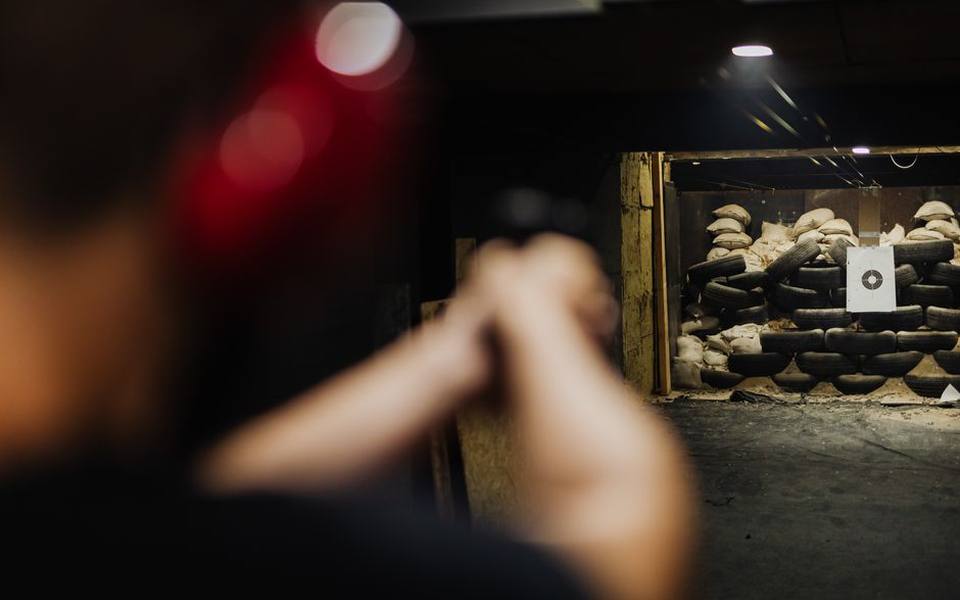 Safety
Indoor & Public Shooting Ranges: Etiquette, Costs, & Locating Ranges
-
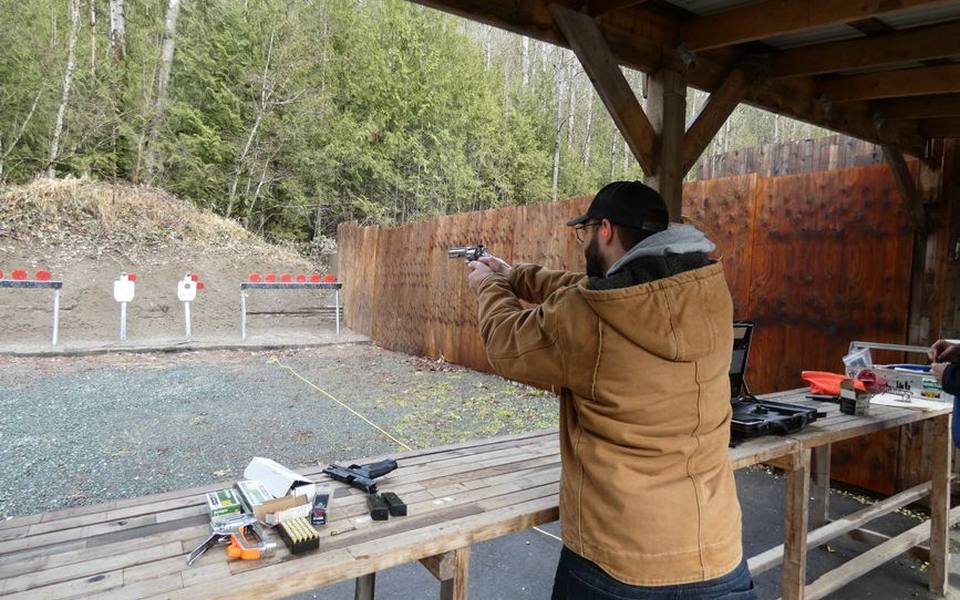 Safety
Gun Safety Courses, Hunter Education, and Concealed Carry Certification Guide
-
 Owning
Firearms Licensing, FOID Cards, and Background Checks: Verification, Processing, and Appeals
-
 Owning
Target Shooting Sports: Clay, Trap, Skeet, and Precision Rifle Disciplines
-
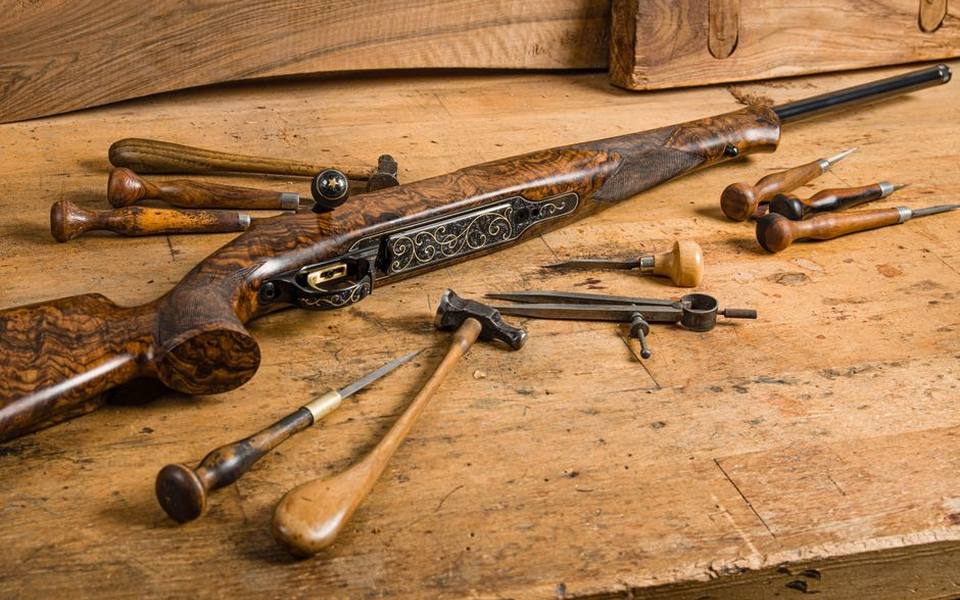 Owning
Gun Cleaning Kits and Maintenance: Solvents, Bore Snakes, and Ultrasonic Cleaners
-
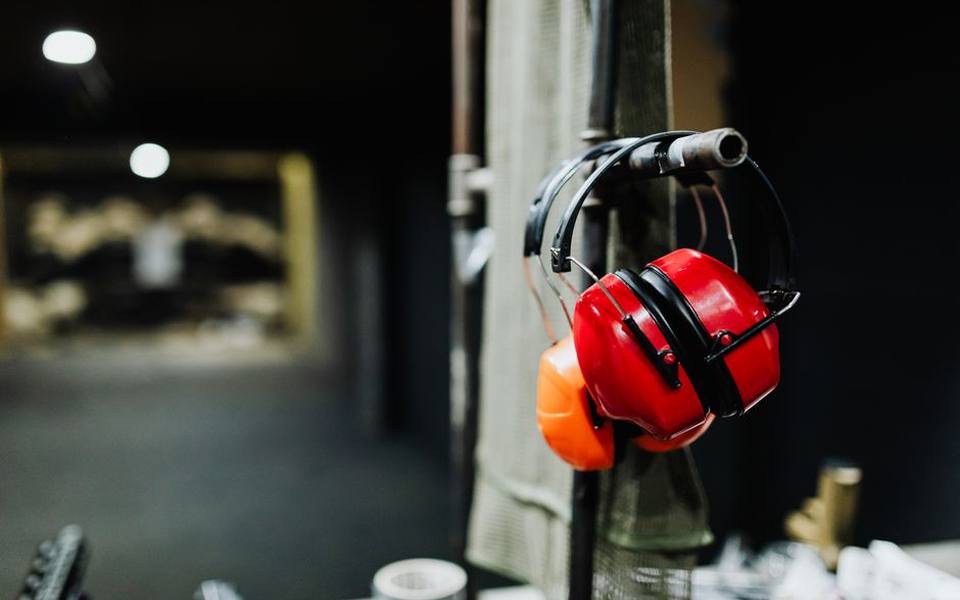 Safety
Shooting Range Ear Protection & Custom Molded Earplugs
-
 Safety
Tactical Firearms Training and Advanced Defense Courses Guide
-
 Owning
Shooting Range Accessories: Eye Protection, Range Bags, and Shooting Rests
-
 Owning
Indoor Archery and Crossbow Shooting: Practical Range Guide, Zeroing, and Gear
-
 Service
Gunsmithing Services: Firearm Restoration, Stock Refinishing, and Custom Work
-
 Storage
Gun Safes and Storage Solutions: Biometric Locks, Humidity, and Ammo Storage
-
 Owning
Modern Shooting Ranges, Home Simulators, and Training Memberships
-
 Buying
Shooting Gear, Target Optics, Tools, and Ballistics Essentials
-
 Owning
Firearm Licensing, Permits, Background Checks, and Guard Rules
-
 Safety
Firearms Training and Self-Defense Classes: Beginner to Advanced
-
 Safety
Target Practice in the Digital Age: Viral Trends, Range Etiquette, and Practical Drills
-
 Owning
Custom Kydex Holsters Guide: Types, Revolver Fits, and Draw Techniques
-
 Safety
Tactical Defense Courses: Active Shooter Response, Medic Training, and Self-Defense
-
 Owning
Complete Guide to Kitchen Range Hood Venting, Ductwork, and Installation
-
 Service
Creative Birthday Photoshoot Ideas for Kids, Teens, and Adults
-
 Buying
Portable, Ductless, and Under-Cabinet Range Hood Selection Guide
-
 Buying
Commercial Kitchen Exhaust Hoods: Complete Selection and Ventilation Guide
-
 Safety
NRA Range Safety Officer Certification: Requirements, Training, and Field Expectations