Understanding Trigger Pull Dynamics and Testing Tools
Dialing in a clean shot starts with understanding trigger pull weight and how physical mechanics influence your sight picture at the break. A trigger that requires excessive mechanical effort can introduce subtle tremors into your hands, pulling shots low and away before the projectile even clears the muzzle. Conversely, an overly light assembly on a defensive or field rifle can compromise basic safety under stress. Investing in a simple mechanical or digital trigger scale gives you concrete data rather than vague impressions about sear engagement and creep.
When checking release weight on a workbench, place the roller of the gauge precisely where your index finger naturally rests on the trigger bow. Angling the tool upward or pulling off-center produces inaccurate readings that do not reflect actual live-fire leverage. Take an average of five consecutive measurements to determine consistency, noting whether the internal springs deliver a uniform break or exhibit gritty fluctuations between resets.
For standard duty and defensive handguns, practical setups typically settle between four and six pounds, providing a deliberate wall without causing trigger freeze during rapid strings. Specialized target rigs often drop far lower, but maintaining that tolerance demands meticulous cleaning and matching components. If you find your groups wandering despite consistent bench technique, checking release resistance is frequently the first diagnostic step before adjusting sights.
Dialing in Crossbow Optics and Reticle Elevation
Modern horizontal archery has pushed projectile speeds beyond historic benchmarks, making crossbow scope adjustment an essential skill for anyone stepping onto the range. Unlike standard firearm optics where bullets maintain relatively flat arcs across short distances, heavy arrows drop sharply past thirty yards. Most platform-specific scopes feature dedicated speed rings calibrated to your arrow's velocity in feet per second, which aligns horizontal crosshairs with specific distance increments.
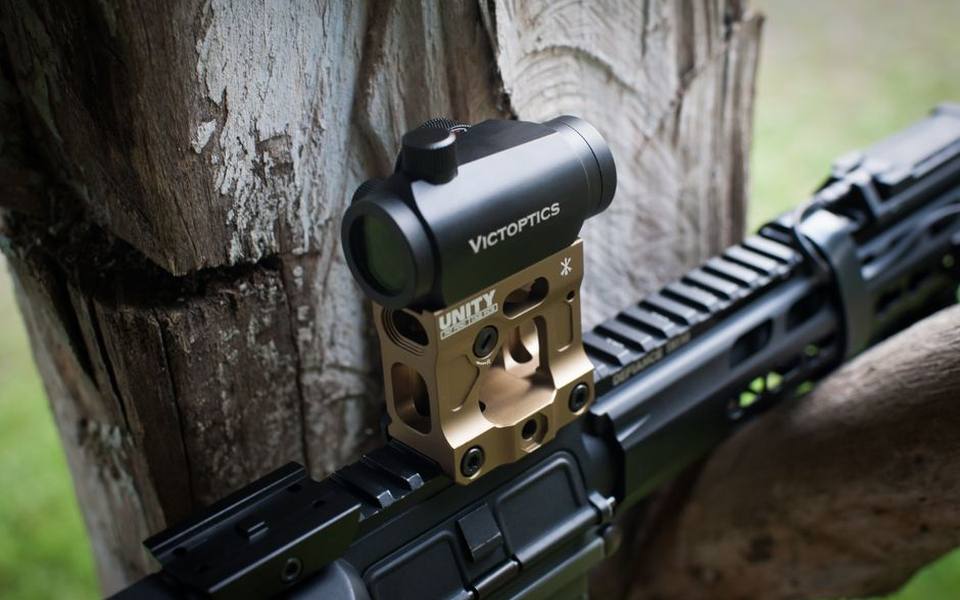
Zeroing these optics begins at twenty yards using a sturdy rest to eliminate human movement from the equation. Fire a single arrow at the primary crosshair, observe the point of impact, and adjust your windage and elevation turrets until the shaft hits dead center. Once that primary zero is established, move back to forty or fifty yards to fine-tune the speed selector ring, which stretches or compresses the distance between your reticle hashmarks.
Shooters seeking modern conveniences often consider a crossbow scope with laser rangefinder built directly into the housing. These integrated systems instantly calculate line-of-sight yardage, compensate for tree-stand angles, and illuminate an exact single aiming dot corresponding to the computed drop. While they add noticeable bulk and battery reliance to your rig, they remove the guesswork of reticle holdovers during fleeting shot opportunities in variable terrain.
Evaluating Value-Tier Optics from Big-Box Retailers
Browsing the sporting goods counter at large retail stores reveals a wide assortment of entry-level optics, including inexpensive options like crossbow scopes at Walmart and similar general department outlets. These budget-friendly models are widely accessible and appeal to casual target shooters, but choosing an affordable optic requires a careful eye for build quality. While they rarely match the glass clarity or low-light transmission of high-tier glass, functional economy optics still provide dependable service if their core mechanics hold true.
The primary risk with bargain sighting gear centers on internal turret durability and reticle stability under repetitive shock. Heavy crossbow limbs snap forward with violent recoil impulses that travel forward rather than backward, rattling delicate internal lenses over time. When shopping at general retailers, look for models featuring nitrogen purging, fully coated glass, and tactile turret adjustments that click distinctly rather than feeling spongy.
If you purchase an entry-level optic, mount it with quality rings and apply appropriate torque to avoid crushing the main tube. Test its tracking thoroughly at your local practice lanes before relying on it for precision shooting. Spending a modest amount on glass is entirely workable for casual recreation, provided you verify that the internal erector assembly maintains zero throughout extended range sessions.
Setting Up Sturdy Steel Gong Target Stands
Nothing matches the instant auditory feedback of lead ringing against hardened armor plate, making a steel gong target stand one of the most rewarding additions to an outdoor range kit. Commercial stands generally rely on interlocking steel pipes, heavy-duty rebar legs, or conduit frames that collapse flat for transport in a vehicle trunk. The core goal of any stand design is holding heavy AR500 steel plates steady while absorbing the intense kinetic energy delivered by repeated centerfire impacts.
The way you hang the gong matters just as much as the leg construction supporting it. Rigidly bolting a plate directly to a frame causes premature metal fatigue and can crack welds after a single afternoon of shooting. Suspending targets from heavy conveyor belting or hardened transport chain allows the gong to swing freely, dispersing bullet energy and directing bullet splatter downward safely into the dirt.
Angle is another vital safety consideration when positioning plates at intermediate distances. Tilting the face of the plate forward by fifteen to twenty degrees ensures that fragments deflect straight down rather than glancing upward or spitting back toward the firing line. Always verify minimum safe engagement distances for your specific caliber, typically maintaining a minimum of one hundred yards for centerfire rifles to prevent dangerous ricochets.
Choosing Durable and Affordable Foam Archery Targets
Shooting compound bows and crossbows into standard straw bales quickly leads to ruined fletchings and lost arrows, turning attention toward self-healing foam blocks. Shooters seeking cheap 3D bow targets often encounter molded foam wildlife replicas designed to simulate realistic broadside vitals. While lifelike deer and hog silhouettes make practice engaging, bargain models vary significantly in foam density, wear resistance, and stopping power.
The main drawback of ultra-budget animal targets is premature core shot-out, where the midsection breaks down after a few dozen impacts in the same concentration zone. Look for models with replaceable vital inserts or layered high-density cellular foam that closes up behind field points. If your budget is strictly constrained, buying a heavy layered foam bag target for everyday grouping and saving the 3D model for pre-hunt realism preserves the life of both investments.
Pulling high-speed carbon arrows from compact foam cores can also be a struggle without the right gear. Keep an arrow puller grip in your pack and consider applying a thin sheen of bow lubricant along the front third of your shafts before practicing. Taking care of your target foam by storing it out of direct sunlight and summer rains prevents UV deterioration, keeping your backstop firm for multiple seasons.
Finding Dedicated Archery Lanes in Major Metros
Finding safe, legal open space to release arrows can prove challenging for archers living in high-density urban environments. Those seeking an archery range in Los Angeles will find a mix of historic municipal parks with permanent outdoor straw butts alongside commercial bow shops offering air-conditioned indoor lanes. Checking regional options through the shooting ranges in California directory helps locate public practice butts that accommodate both traditional recurve shooters and high-speed compound rigs.
Similarly, finding an archery range in Las Vegas generally leads shooters toward county shooting complexes on the outskirts of town or shaded club layouts near the foothills. Desert environments present unique target wear issues, where blistering heat and intense sunlight rapidly degrade exposed foam backstops unless facilities rotate their gear under sunshades. Many urban shooters split their time between indoor retail ranges during midday heat and outdoor community parks during early morning hours.
Before loading your bow case into the car, call ahead to verify local equipment policies and field point rules. Many municipal ranges prohibit broadhead tips completely to protect public backstops, requiring archers to shoot strictly screw-in target tips. Some private facilities also require archers to complete a brief safety orientation or demonstrate basic line etiquette before letting them step up to the shooting line.
Navigating Holster Configurations for Defensive Competition
Action pistol shooting sports offer a fantastic platform for stress-testing defensive marksmanship, but equipment must conform to strict rulebooks designed around practicality. Reviewing IDPA holster rules reveals an emphasis on realistic concealed carry gear rather than extreme competition-only race rigs. Competitors must carry behind the centerline of the hip, ensuring the firearm rests naturally against the body where a common cover garment fully conceals it from view.
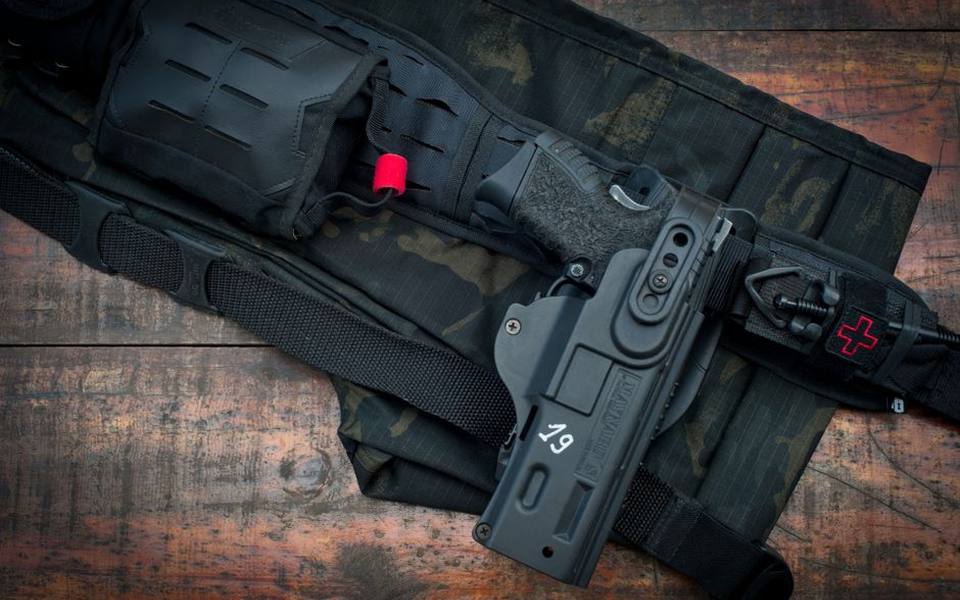
Key restrictions focus on the gap between your belt and the holster body, as well as the firearm's ride height. Rulebooks generally dictate that the holster cannot offset so far from the body that daylight is visible through the belt loop gap when viewed from above, nor can the grip frame drop excessively low below the beltline. Excessive forward or rearward cant is strictly limited to prevent competitors from breaking horizontal muzzle safety planes during the initial draw stroke.
Retention is equally scrutinized during pre-match safety checks, where an empty firearm seated in your rig must remain secure during brisk movement. High-impact kydex and molded leather remain popular choices, provided they cover the trigger guard completely without allowing accidental access. Pairing your holster with a stiff, purpose-built gun belt prevents the carrier from twisting outward or collapsing during a vigorous presentation from concealment.
Executing Controlled Defensive Marksmanship Drills
Practicing stationary bullseye marksmanship develops solid trigger discipline, but defensive readiness requires structured drills that stress target transitions and rapid evaluation. The classic failure to stop drill—often referred to in tactical curricula as the Mozambique drill—trains the shooter to address an immediate threat by delivering two rapid rounds to the high-center-mass thoracic cavity followed by a deliberate, single shot to the ocular window of the head.
The cadence of this exercise changes significantly between the first two shots and the final precision round. The initial pair relies on flash sight pictures to halt forward momentum rapidly, whereas the third round demands a micro-pause to settle your front sight or red dot firmly inside the smaller target box. Rushing that final press almost always leads to a high or wide flyer that fails the defensive objective.
Practicing these dynamic strings requires an environment that supports draw presentations and rapid engagement tempos. You can locate facilities that permit draw work through the directory of shooting ranges with classes and training to refine your presentation under professional guidance. Over time, practicing controlled bursts builds unconscious competence, allowing you to track your sights through recoil while maintaining situational awareness.
Mastering Traditional Black Powder Equipment and Loads
Venturing into black powder shooting takes marksmen back to the foundational roots of ballistics, requiring a tactile connection to combustion and barrel cleanliness that modern smokeless cartridges eliminate. Loading traditional flintlocks, cap-and-ball revolvers, or modern in-line muzzleloaders requires pouring measured charges of black powder or modern synthetic substitutes down the barrel before seating a patched lead ball or sabot.
One critical safety rule separates muzzleloading from modern reloading: powder charges must always be measured by volume rather than actual grain weight on an electronic scale. Black powder substitutes are chemically formulated to match the explosive energy of traditional black powder when dispensed through a volumetric brass flask, not when measured on a jeweler's balance. Compacting the projectile firmly against the powder column without leaving air gaps prevents dangerous chamber pressures upon ignition.
Fouling management is another central pillar of shooting traditional firearms, as sulfur residues attract moisture and cause aggressive surface rust inside the rifling. Running a damp cleaning patch down the bore between every few shots keeps grouping tight and prevents projectiles from binding midway down the barrel. Thoroughly breaking down and cleaning the breech plug, nipple, and lock mechanism with warm water immediately after each range outing guarantees smooth ignition next season.
Conditioning and Rifle Setup for Biathlon Disciplines
Few shooting sports demand the extreme mental and physical balance seen in biathlon training, where athletes transition instantly from maximum cardiovascular exertion to pin-point rimfire accuracy. Competitors ski grueling cross-country laps before dropping onto a shooting mat with a racing pulse, aiming at tiny knockdown targets positioned fifty meters downrange. Managing breathing cycles while your chest is heaving requires specialized rifle ergonomics and unique mental focus.
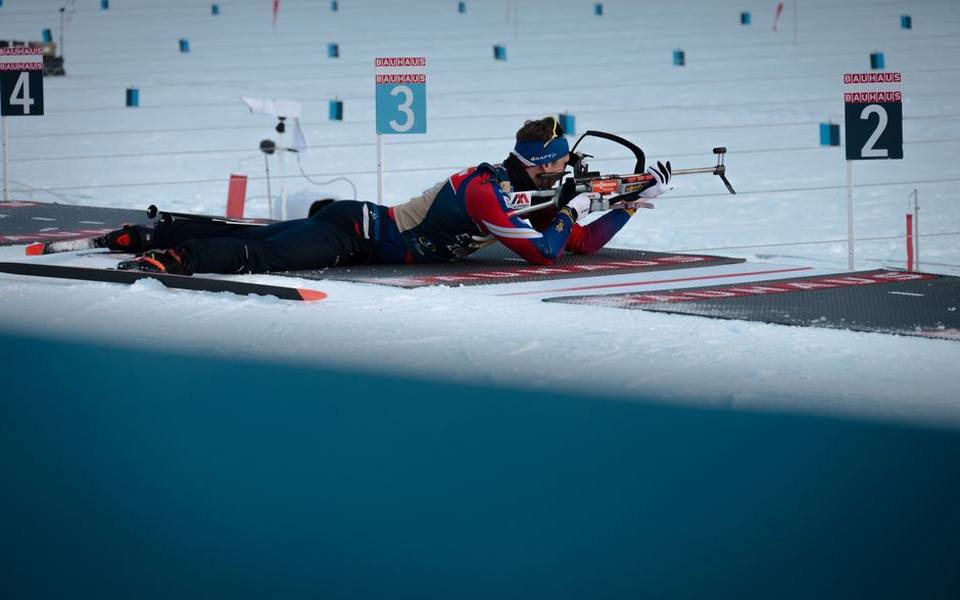
Biathlon rifles are built exclusively around the .22 Long Rifle cartridge, featuring straight-pull bolt actions that allow lightning-fast cycling without altering shooting position. Most setups feature harness-style shoulder straps that hold the rifle securely along the athlete's back during movement, alongside integrated forend hand stops and snow covers to protect delicate aperture sights. The triggers are exquisitely tuned to break cleanly, balancing ultra-light target feel with safety mechanisms suited for freezing conditions.
To condition for this sport without access to year-round snow tracks, many participants integrate roller skiing, running, or rowing machines directly into dry-fire practice routines. Learning to break a shot at the bottom of an exhale while maintaining sight alignment within a tight rhythm develops unmatched trigger control. Training under elevated heart rates strips away bad habits, exposing subtle flinches that stationary bench shooting often masks.
Organizing Range Kits for Comprehensive Field Maintenance
A productive afternoon at the firing line can be completely derailed by a single loose scope base screw, dead optic battery, or jammed casing. Assembling a dedicated range toolbox saves you from packing up early when minor mechanical issues occur away from your home workbench. A sturdy field kit should contain a miniature torque wrench set, common hex and star bits, a non-marring brass punch set, and a small nylon-faced armorer's hammer.
In addition to mechanical assembly tools, keeping basic diagnostic gear on hand helps verify ballistic performance across different environmental conditions. A compact portable chronograph allows you to verify true projectile velocity rather than trusting factory estimates printed on ammunition boxes. Bring extra sight adjustment tools, cleaning rods to clear bore obstructions safely, and high-visibility chamber flags that confirm an open, safe condition during cold-range intervals.
Before packing your gear into your vehicle, use the comprehensive locator for gun and shooting ranges near you to review specific line rules, lane lengths, and equipment restrictions. Some facilities prefer that you test rifles on specific dedicated benches or stick to approved target hangers. Arriving with a well-maintained range bag and an understanding of facility requirements ensures every hour on the line is spent improving marksmanship.
Published 2026-09-21 · reviewed with each rebuild, last September 2026.
Find shooting ranges near you
The directory lists 6,919 shooting ranges by state and city — pick your state or use the “Near me” button in the header.
More guides
-
 Safety
Can a Felon Go to a Shooting Range? Federal Rules, Range Policies, and Shooting Sports Explained
-
 Money
MoneyGun Range Costs and Rental Guide: Fees, Ammo, and What to Expect
-
 Safety
Concealed Carry Permit Costs, Classes, and Certification Guide
-
 Service
Pinning and Welding a Muzzle Device: Legal Standards and Technical Steps
-
 Buying
FFL Transfer Fees, Background Checks, and NFA Kiosks Explained
-
 Buying
Where and How to Buy Police Trade-In Firearms Safely
-
 Owning
Beginner Guide to Long-Range Shooting: Distances, Tips, and Calculators
-
 Owning
How to Choose the Best Outdoor Shooting Range for Your Needs
-
 Safety
Indoor & Public Shooting Ranges: Etiquette, Costs, & Locating Ranges
-
 Safety
Gun Safety Courses, Hunter Education, and Concealed Carry Certification Guide
-
 Owning
Firearms Licensing, FOID Cards, and Background Checks: Verification, Processing, and Appeals
-
 Owning
Target Shooting Sports: Clay, Trap, Skeet, and Precision Rifle Disciplines
-
 Owning
Gun Cleaning Kits and Maintenance: Solvents, Bore Snakes, and Ultrasonic Cleaners
-
 Safety
Shooting Range Ear Protection & Custom Molded Earplugs
-
 Safety
Tactical Firearms Training and Advanced Defense Courses Guide
-
 Owning
Shooting Range Accessories: Eye Protection, Range Bags, and Shooting Rests
-
 Owning
Indoor Archery and Crossbow Shooting: Practical Range Guide, Zeroing, and Gear
-
 Service
Gunsmithing Services: Firearm Restoration, Stock Refinishing, and Custom Work
-
 Storage
Gun Safes and Storage Solutions: Biometric Locks, Humidity, and Ammo Storage
-
 Safety
Custom Molded Hearing Protection and Shooting Earplugs Guide
-
 Owning
Modern Shooting Ranges, Home Simulators, and Training Memberships
-
 Owning
Firearm Licensing, Permits, Background Checks, and Guard Rules
-
 Safety
Firearms Training and Self-Defense Classes: Beginner to Advanced
-
 Safety
Target Practice in the Digital Age: Viral Trends, Range Etiquette, and Practical Drills
-
 Owning
Custom Kydex Holsters Guide: Types, Revolver Fits, and Draw Techniques
-
 Safety
Tactical Defense Courses: Active Shooter Response, Medic Training, and Self-Defense
-
 Owning
Complete Guide to Kitchen Range Hood Venting, Ductwork, and Installation
-
 Service
Creative Birthday Photoshoot Ideas for Kids, Teens, and Adults
-
 Buying
Portable, Ductless, and Under-Cabinet Range Hood Selection Guide
-
 Buying
Commercial Kitchen Exhaust Hoods: Complete Selection and Ventilation Guide
-
 Safety
NRA Range Safety Officer Certification: Requirements, Training, and Field Expectations