Navigating State Background Checks and Firearm Purchases
Buying a firearm in the United States requires passing a background check to confirm you are legally eligible to possess weapons under federal and state statutes. Federal law directs licensed retailers to verify identity through government-issued photo identification and screen buyers through the National Instant Criminal Background Check System, commonly known as NICS. However, individual states approach this procedure in distinctly different ways. Some states rely entirely on the federal system operated by the FBI, while others serve as their own point of contact or maintain hybrid screening networks.
When an individual submits background paperwork at a gun counter, the screening evaluates criminal convictions, active restraining orders, open felony indictments, and documented mental health adjudications. In states that run their own screening databases, officials frequently query state criminal repositories, local court registries, and domestic violence tracking systems alongside federal records. This dual-layer approach can occasionally create processing delays, meaning approvals can range from instantaneous feedback to several business days depending on local agency volume and record accuracy.
Understanding whether your jurisdiction functions as a direct federal state or a state point-of-contact state saves significant confusion when completing transactions. In federally run jurisdictions, licensed dealers communicate directly with the federal NICS operations center via telephone or web portal. In state-run jurisdictions, local firearms units or state police divisions review transactions before providing an authorization code. Regardless of the system used, maintaining consistent personal documentation across your driver's license and secondary identification remains essential for avoiding administrative delays.
Purchasing Protocols in Texas and Colorado
In the Lone Star State, firearm screening follows direct federal guidelines administered through the FBI database. When purchasing from licensed retailers across the community, local shops run standard identification checks directly through the federal system without an added state agency intermediary. Furthermore, individuals holding a valid License to Carry are typically exempt from redundant NICS phone queries during counter sales because state authorities continuously vet license holders against active disqualifying records. Those visiting Shooting Ranges in Texas often note that private party sales remain straightforward under state statutes, though commercial purchases always necessitate standard federal documentation.
Colorado operates differently by serving as its own point of contact through the Colorado Bureau of Investigation InstaCheck unit. Rather than relying solely on the FBI, state examiners process background checks for both retail purchases and private party firearm transfers conducted inside licensed storefronts. The state system references state court dispositions, mental health files, and county arrest records before releasing an approval code. Buyers typically pay an administrative processing fee set by the state bureau to cover the technical costs of running these comprehensive inquiries.
Processing timeframes in Colorado can vary noticeably based on seasonal application surges, regional hunting openers, and general public demand. While many buyers clear within an hour, peak periods occasionally push approval turnaround into multi-day backlogs. Retailers cannot release firearms until the state bureau provides an explicit transaction approval number. Keeping updated identification and addressing any minor past legal discrepancies ahead of time helps ensure that transactions move forward without unnecessary administrative holds.
West Coast Protocols: California and Washington State Checks
Firearm acquisition on the West Coast involves detailed state-specific screening protocols designed to verify purchaser identity and complete safety prerequisites. In California, prospective buyers complete transactions through the Dealer Record of Sale system, widely known as DROS. The California Department of Justice manages this centralized electronic platform, cross-referencing criminal history, domestic restraining orders, and mental health registers. Furthermore, purchasers must obtain a Firearm Safety Certificate by passing a written questionnaire before initiating transactions, alongside providing strict proof of state residency.
A mandatory waiting period applies to all retail and private transfers in California, meaning buyers must wait typically ten full twenty-four-hour cycles before retrieving their property from the dealer. Those utilizing Shooting Ranges in California find that this waiting period applies uniformly regardless of existing permit status or previous gun ownership. State law also requires retail vendors to process ammunition purchases through an electronic background verification system, ensuring buyers possess active eligibility records within the state firearms registry.
Washington State has transitioned toward a single-point-of-contact system managed directly by the Washington State Patrol Firearms Background Division. Under this centralized model, local law enforcement agencies no longer process individual dealer notifications independently. Instead, licensed dealers route all handguns, shotguns, and semi-automatic rifles through the state patrol portal. Buyers seeking semi-automatic rifles must complete an approved firearms training class within recent years, demonstrating safe handling, secure storage, and suicide prevention concepts before dealer transfer authorization can proceed.
Managing Illinois FOID Cards and the ISPFSB Online Portal
Residents of Illinois must maintain a valid Firearm Owner's Identification card to purchase or possess firearms and ammunition within state borders. The Illinois State Police Firearms Services Bureau administers this credential, handling initial applications, card renewals, and address updates through their dedicated digital portal commonly accessed at their official domain. Using the digital platform has streamlined what was once a paperwork-heavy mail process, allowing firearm owners to track their application status directly from an online user profile.
Completing card renewals on the state bureau portal requires creating or logging into an existing digital user account, verifying personal identity through state driver records, and uploading a compliant passport-style photograph. Applicants must answer standard statutory qualification questions regarding criminal history and court-ordered obligations. If you hold both an identification card and a concealed carry license, the state bureau typically synchronizes both documents, aligning their expiration timelines so holders maintain seamless legal standing without submitting duplicative paperwork.
Processing durations for state renewals often depend on system volume, background verification queues, and the completeness of submitted records. While state law establishes target processing windows, applicants are encouraged to submit renewal requests several months before their active card expires. When visiting local facilities or Shooting Ranges in Illinois, keeping your digital confirmation receipt alongside your expiring physical card provides helpful evidence that an official renewal review remains actively pending.
Armed Security Guard Requirements Across the States
Working in armed private security requires meeting strict regulatory standards that exceed the baseline requirements set for general civilian concealed carry. Security companies and state regulatory boards demand verifiable training in use-of-force legalities, conflict de-escalation, defensive mechanics, and accurate target engagement. Because armed guards carry weapons specifically to protect life and high-value property, regulatory oversight focuses heavily on professional judgment under stress, reliable weapon manipulation, and accountability during public-facing duties.
Initial requirements typically start with age qualifications, standard physical and mental health evaluations, and exhaustive fingerprint-based background investigations querying both state and FBI registries. Candidates must demonstrate an unblemished record free from felony convictions, domestic violence charges, or open disqualifying legal matters. In most jurisdictions, armed officers must carry duty gear that matches specific calibers and retention holsters approved by the licensing commission, prohibiting non-standard or unauthorized personal carry gear while on post.
Beyond legal and administrative checks, candidates must complete formal classroom instruction covering jurisdictional statutes on deadly force, property defense, and citizen detainment authority. Following academic preparation, guards must demonstrate live-fire proficiency on an approved course of fire under certified instructor supervision. These certifications are rarely permanent; most state security boards mandate periodic qualification shoots and legal refresher classes to maintain active guard credentials.
Tennessee Armed Guard Licensing and Range Qualifications
In Tennessee, the licensing of armed private security personnel falls under the jurisdiction of the Department of Commerce and Insurance Private Protective Services division. Individuals seeking an armed guard registration must fulfill both general classroom curriculum and rigorous practical firearms training. Candidates must be at least twenty-one years old, submit electronic fingerprint files for background clearance, and verify their employment or sponsorship through an authorized, licensed private security company operating within the state.
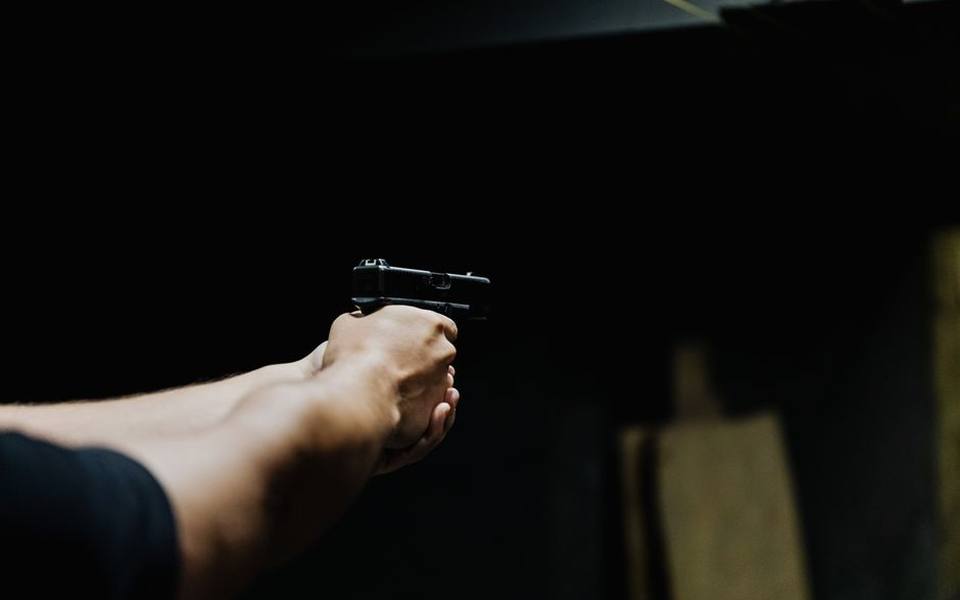
Firearms instruction must be administered by a certified state-licensed security trainer who leads candidates through standardized lessons on criminal law, liability management, weapon retention, and live-fire safety. Range drills emphasize practical combat accuracy from varying distances, typically using standardized silhouettes. Applicants must achieve minimum qualifying scores with the specific category of firearm they plan to carry on post, whether a standard semi-automatic service pistol, revolver, or long gun, ensuring weapon familiarity before deployment.
Once issued, an armed security registration in Tennessee remains valid for a designated two-year window, requiring renewal before the expiration date to avoid suspension of duty privileges. Renewal entails submitting an official application, completing approved refresher instruction, and logging an updated live-fire range score with an accredited instructor. Maintaining these qualification sheets and verifying proper administrative filing guarantees that security officers stay compliant with state protective statutes during active operational shifts.
Understanding LEOSA Standards and Concealed Carry for Officers
The Law Enforcement Officers Safety Act, commonly referenced as federal statute HR 218, grants qualified active and retired law enforcement personnel the privilege to carry concealed firearms across state borders, regardless of local concealed carry licensing mandates. Enacted to enhance public safety and allow off-duty officers to protect communities nationwide, this federal framework overrides many municipal and state restrictions. However, LEOSA does not grant blanket exemptions from private property bans or state-level prohibitions in sensitive government locations.
To qualify under federal standards, an active officer must be authorized by their agency to carry a duty firearm, not be the subject of disciplinary actions that could result in suspension, and meet established agency qualification benchmarks. Retired or separated officers face additional structural benchmarks: they must have separated in good standing after completing aggregate service requirements or separated due to service-connected disability after completing probationary periods, while remaining free from federal disqualifications.
Crucially, separated personnel must maintain an annual firearms qualification certificate demonstrating proficiency that matches state standards for active officers. Retired officers frequently visit specialized instructors at Shooting Ranges with Classes & Training to shoot standardized courses of fire, receive official score documentation, and secure valid state-issued certification cards. Carrying both agency retirement identification and an active qualification certificate is legally required to claim federal protection while traveling.
Military Police Eligibility Under LEOSA Amendments
Subsequent federal legislative amendments expanded LEOSA eligibility beyond conventional civilian municipal and county police to include qualified Department of Defense law enforcement personnel and military police. Service members who hold primary law enforcement occupational specialties—such as Army Military Police, Air Force Security Forces, Navy Masters-at-Arms, or Marine Corps Military Police—can meet federal definitions provided they held statutory authority to apprehend suspects under the Uniform Code of Military Justice during their military service.
For transitioning service members and veterans, establishing qualification hinges on documented service records and credentials. The individual must have served as a military law enforcement specialist with formal arrest or apprehension powers, accumulating the necessary aggregate service duration typically expected of civilian peace officers. Administrative paperwork, including military separation records (such as standard DD-214 documents indicating appropriate law enforcement specialty codes), serves as foundational verification when seeking state or departmental qualification paperwork.
Military personnel seeking to carry under these provisions must also fulfill the exact same annual live-fire qualification requirements as civilian law enforcement retirees. Because active military bases do not always provide civilian-recognized retirement qualification cards to separated personnel, veterans often complete certification through civilian state police academies or licensed law enforcement firearms instructors. Fulfilling these rigorous qualification drills confirms technical capability and provides legal peace of mind when crossing interstate borders.
Federal Firearm Transport Laws and Interstate Travel
Traveling across state lines with personal firearms requires a practical understanding of federal protections alongside regional transport regulations. The federal Firearm Owners Protection Act, specifically codified in 18 U.S.C. Section 926A, provides a safe harbor provision commonly known as the interstate transport clause. This federal statute protects travelers transporting firearms from a jurisdiction where they legally possess the weapon to another destination where possession is also legal, irrespective of restrictive intervening state laws.
To invoke federal safe passage protections, the journey must be continuous and uninterrupted, with stops limited to essential travel necessities such as refueling, vehicle maintenance, or brief food breaks. Prolonged tourist detours or multi-day intermediate lodging inside a restrictive state can jeopardize federal safe harbor status, subjecting the vehicle owner to local possession codes. If your travel itinerary involves traversing regions with strict magazine limits or registration rules, maintaining a straightforward transit path remains legally prudent.
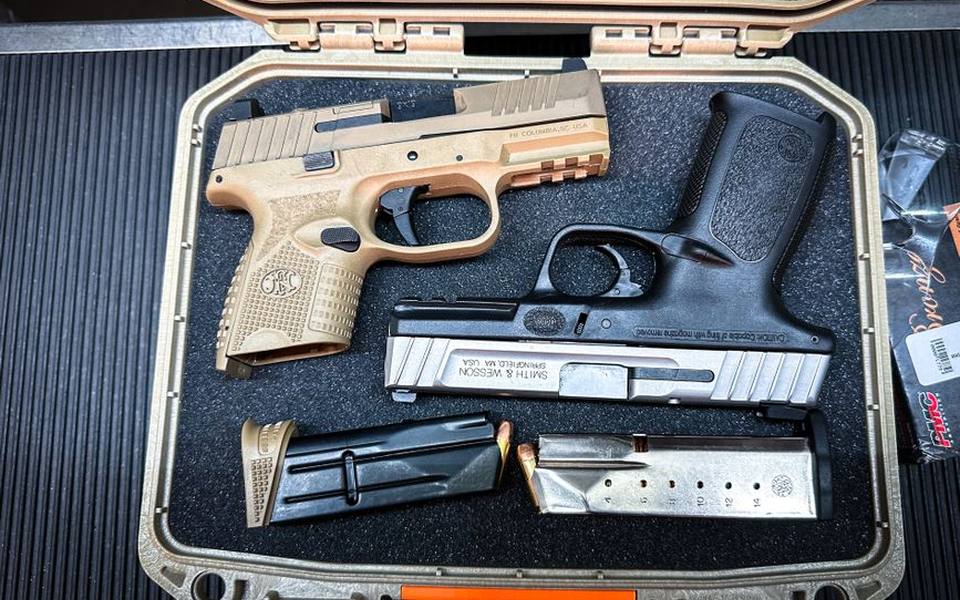
Federal transport rules require that firearms be completely unloaded and locked inside a secure container other than the vehicle's glove compartment or center console. The firearm and ammunition must not be directly accessible from the passenger compartment. In passenger cars lacking a separate trunk, firearms should be secured inside a locked hard-sided case placed as far back in the cargo area as possible. Observing these baseline packing rules prevents contentious roadside misunderstandings during ordinary traffic stops.
Preparing for Qualifications and Professional Range Work
Whether preparing for an armed guard license, an annual LEOSA qualification shoot, or simply maintaining high standards of personal marksmanship, purposeful practice is essential. Professional shooting standards evaluate fundamental skills under timed constraints: smooth presentation from an approved holster, prompt clearing of mechanical stoppages, controlled trigger manipulation, and consistent shot placement across varying yardages. Attempting to qualify without adequate rehearsal often leads to unexpected performance failures and unnecessary retest fees.
Visiting modern Indoor Shooting Ranges provides a controlled setting to practice qualification target drills, verify sight alignments, and build weapon handling confidence. shooters can focus on speed-reload mechanics, two-handed defensive stances, and strong-hand-only shooting strings that frequently appear in state-mandated security courses. Practicing with the exact ammunition and duty belt configuration planned for qualification day eliminates equipment surprises during official scoring.
Beyond individual range practice, seeking instruction from certified professional trainers ensures your technique matches current legal and defensive best practices. Certified instructors can diagnose grip flaws, refine trigger reset timing, and help you navigate the nuanced paperwork required by state licensing boards. Thorough preparation on the firing line guarantees that when testing day arrives, your focus remains entirely on safety, accuracy, and clear execution.
Published 2026-09-21 · reviewed with each rebuild, last September 2026.
Find shooting ranges near you
The directory lists 6,919 shooting ranges by state and city — pick your state or use the “Near me” button in the header.
More guides
-
 Safety
Can a Felon Go to a Shooting Range? Federal Rules, Range Policies, and Shooting Sports Explained
-
 Money
MoneyGun Range Costs and Rental Guide: Fees, Ammo, and What to Expect
-
 Safety
Concealed Carry Permit Costs, Classes, and Certification Guide
-
 Service
Pinning and Welding a Muzzle Device: Legal Standards and Technical Steps
-
 Buying
FFL Transfer Fees, Background Checks, and NFA Kiosks Explained
-
 Buying
Where and How to Buy Police Trade-In Firearms Safely
-
 Owning
Beginner Guide to Long-Range Shooting: Distances, Tips, and Calculators
-
 Owning
How to Choose the Best Outdoor Shooting Range for Your Needs
-
 Safety
Indoor & Public Shooting Ranges: Etiquette, Costs, & Locating Ranges
-
 Safety
Gun Safety Courses, Hunter Education, and Concealed Carry Certification Guide
-
 Owning
Firearms Licensing, FOID Cards, and Background Checks: Verification, Processing, and Appeals
-
 Owning
Target Shooting Sports: Clay, Trap, Skeet, and Precision Rifle Disciplines
-
 Owning
Gun Cleaning Kits and Maintenance: Solvents, Bore Snakes, and Ultrasonic Cleaners
-
 Safety
Shooting Range Ear Protection & Custom Molded Earplugs
-
 Safety
Tactical Firearms Training and Advanced Defense Courses Guide
-
 Owning
Shooting Range Accessories: Eye Protection, Range Bags, and Shooting Rests
-
 Owning
Indoor Archery and Crossbow Shooting: Practical Range Guide, Zeroing, and Gear
-
 Service
Gunsmithing Services: Firearm Restoration, Stock Refinishing, and Custom Work
-
 Storage
Gun Safes and Storage Solutions: Biometric Locks, Humidity, and Ammo Storage
-
 Safety
Custom Molded Hearing Protection and Shooting Earplugs Guide
-
 Owning
Modern Shooting Ranges, Home Simulators, and Training Memberships
-
 Buying
Shooting Gear, Target Optics, Tools, and Ballistics Essentials
-
 Safety
Firearms Training and Self-Defense Classes: Beginner to Advanced
-
 Safety
Target Practice in the Digital Age: Viral Trends, Range Etiquette, and Practical Drills
-
 Owning
Custom Kydex Holsters Guide: Types, Revolver Fits, and Draw Techniques
-
 Safety
Tactical Defense Courses: Active Shooter Response, Medic Training, and Self-Defense
-
 Owning
Complete Guide to Kitchen Range Hood Venting, Ductwork, and Installation
-
 Service
Creative Birthday Photoshoot Ideas for Kids, Teens, and Adults
-
 Buying
Portable, Ductless, and Under-Cabinet Range Hood Selection Guide
-
 Buying
Commercial Kitchen Exhaust Hoods: Complete Selection and Ventilation Guide
-
 Safety
NRA Range Safety Officer Certification: Requirements, Training, and Field Expectations