The Fundamental Priorities of Firearm Storage
Responsible home storage demands a steady balance between immediate access for personal defense, absolute security against unauthorized hands, and mechanical preservation against environmental degradation. Achieving this balance depends largely on your household composition, your living space, and the specific mix of firearms you own. An effective storage plan keeps curious children, untrained visitors, and potential burglars away from loaded actions while ensuring you never struggle to retrieve defensive tools in a critical moment.
Beyond theft deterrence and physical safety, environmental decay represents a quiet but relentless threat to stored equipment. Steel barrels, trigger mechanisms, and polished actions will rust if left in damp closets, while walnut stocks can swell or crack when subjected to fluctuating moisture. A complete storage solution accounts for physical locking strength, ambient room climate, and systematic organization so every item remains fully operational over years of ownership.
Establishing clear zones in your home makes safe operation simpler and less prone to accidental handling errors. Dedicated defensive tools may require compact rapid-access solutions stationed in private rooms, while hunting rifles, target shotguns, and bulk recreational supplies belong in larger central containers. Creating these distinct storage categories helps prevent confusion during daily routines and maintains strict discipline when returning from shooting activities.
Understanding Biometric Scanners and Quick-Access Mechanisms
Modern quick-access units frequently rely on biometric sensors designed to open within one to two seconds using your registered fingerprint. Optical sensors read the surface ridges through a glass window, while capacitive scanners map the electrical characteristics of living skin beneath the surface. Capacitive models generally provide faster verification and resist photographic spoofing, making them the preferred choice for rapid bedside deployment where quick confirmation under stress is critical.
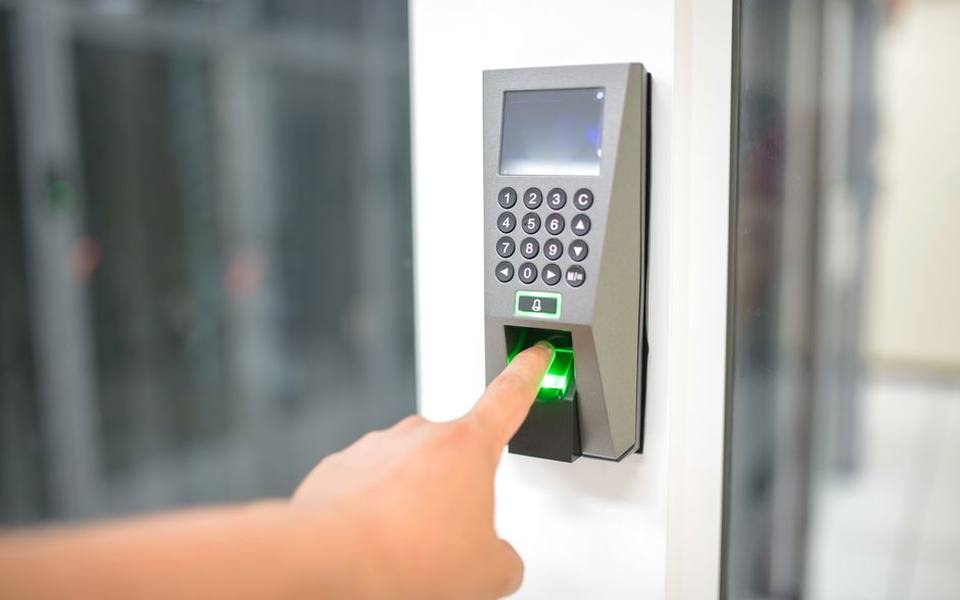
A quality biometric gun safe must still incorporate reliable mechanical redundancies because electronic systems can fail during power interruptions or sensor malfunctions. Dirty, wet, or trembling fingers can occasionally cause a false rejection right when access is needed most urgently. Always verify that your chosen safe includes a tactile mechanical key bypass, and make sure that physical key is kept in an accessible yet confidential secondary location rather than left sitting inside the safe itself.
Battery maintenance is equally crucial when relying on any electronic locking mechanism for daily defense. Most digital and biometric locks emit audible chimes or blinking indicator lights when alkaline cells drop below operational voltage, though cold winter temperatures can drain battery power unexpectedly fast. Scheduling a battery swap every six to twelve months ensures the opening solenoid always receives adequate peak current to throw the latch bolts smoothly.
Heavy Safes Versus Sheet-Metal Storage Lockers
Homeowners and renters often debate whether to purchase a heavy, fire-lined cabinet or a lighter welded enclosure. A welded gun storage locker made from medium-gauge sheet steel delivers solid physical security against casual access, curious household members, and smash-and-grab opportunists. These lightweight lockers typically weigh under one hundred pounds empty, making them practical options for second-floor apartments, historic houses with limited floor load ratings, or tight closet spaces.
By contrast, substantial heavy-gauge safes provide far thicker steel walls, internal relockers, and multiple thick locking bolts that resist aggressive pry attacks with crowbars. However, their immense dry weight often demands specialized moving equipment and careful structural planning to avoid sagging floor joists. If you live in rental housing or move frequently, a heavy safe can be prohibitively difficult to relocate, whereas a securely bolted metal locker offers decent security without logistical nightmares.
Pry resistance in lighter steel cabinets can be substantially upgraded simply by anchoring the back and bottom directly into wall studs and concrete flooring. A thief cannot gain mechanical leverage against a cabinet door if the entire unit cannot be tilted backward onto the floor. Regardless of which steel thickness your budget allows, anchoring remains the single most cost-effective method to transform an affordable locker into a formidable barrier.
Managing Safe Humidity and Preventing Surface Rust
Enclosed steel boxes naturally trap moisture, creating microclimates that invite oxidation on blued steel, parkerized parts, and polished chambers. Relative humidity inside any locked enclosure should ideally remain between forty and fifty percent at standard room temperature. Allowing moisture levels to climb past fifty-five percent creates an environment where dew can condense directly onto cool metal whenever ambient room temperatures swing between day and night.
Regional weather patterns dictate how aggressively you must fight moisture accumulation inside your storage setup. For example, owners frequenting facilities like shooting ranges in Florida face high coastal humidity year-round, requiring active dehumidification systems. Conversely, owners in arid southwestern regions might face wood shrinking if cabinets dry out excessively, though steel rust risks remain comparatively negligible under dry desert skies.
Monitoring this invisible threat requires an accurate digital hygrometer placed on an interior shelf at eye level. Avoid relying on simple guesswork, as a cabinet can feel perfectly dry to your hand while still carrying enough vapor to corrode firing pin channels over several weeks. Checking hygrometer readings during weekly maintenance routines provides early warning before reddish speckles appear on expensive actions.
Heating Rods and Desiccants for Interior Climate Control
Controlling gun safe humidity generally involves two complementary approaches: electric heating elements and consumable desiccant absorbents. Low-wattage electric heating rods, often mounted along the safe floor, work by gently raising the internal air temperature by several degrees above room ambient. This modest temperature differential slightly expands the air volume, creates gentle convective circulation, and prevents air from reaching its dew point where condensation deposits liquid moisture on cold metal surfaces.
Silica gel canisters and clay desiccants serve as effective passive dehumidifiers, especially in compact lockers without electrical pass-through ports. These porous granules adsorb water vapor directly out of the trapped air until their internal pores become saturated. Most modern desiccant units include color-changing indicator crystals that shift from orange to green or blue to pink, signaling when the container must be baked in an oven to drive off moisture and reset its absorption capacity.
Combining an electric warming rod with a secondary silica pack often yields the most stable interior atmosphere in basements and garages. The heating rod maintains steady upward airflow, while the desiccant captures rogue moisture spikes introduced whenever the main door swings open. Ensure you never rest firearms or treated leather directly against heating rods, as concentrated direct warmth can damage sensitive finishes and dry out fragile wood over time.
Safe Principles for Ammunition Storage at Home
Storing cartridges safely involves understanding how modern propellants, primers, and bullet jackets react to long-term exposure to heat and moisture. Gunpowder decomposes when exposed to high sustained temperatures, leading to erratic pressures or sluggish ignition over extended decades. To ensure long shelf life, keep cartridges in a temperature-stable, dark interior room where seasonal swings remain moderate throughout the entire calendar year.
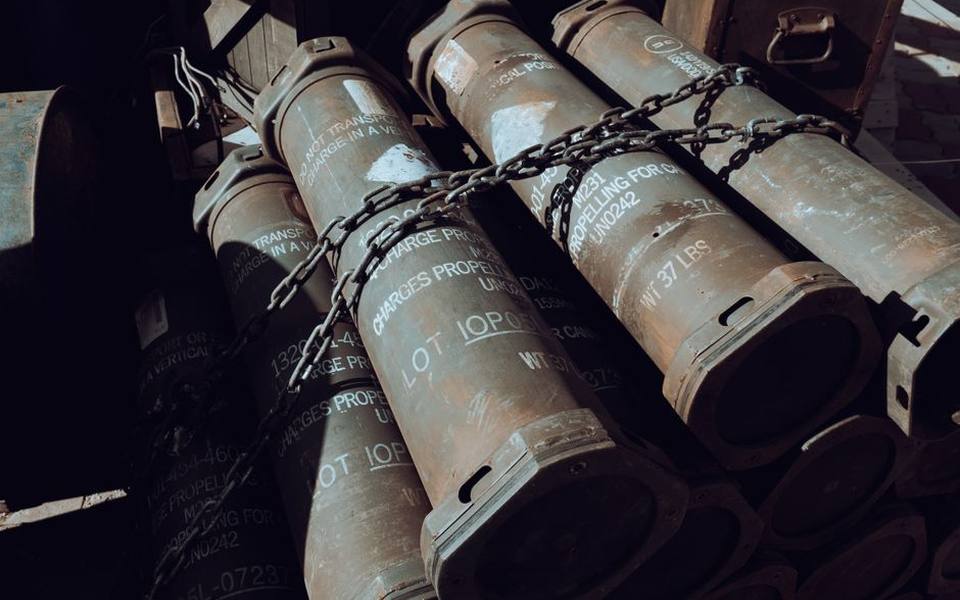
Many owners mistakenly pack thousands of rounds into the exact same sealed safe as their prized long guns. In the tragic event of an intense residential structure fire, tightly confined ammunition can cook off under pressure, turning an airtight, heavy-walled safe into a pressurized hazard. It is generally safer to store primary ammunition reserves in dedicated steel or composite boxes located away from primary gun vaults, reducing both weight strain and catastrophic pressure risks.
When returning from practice at local indoor shooting ranges, establish a clean sorting routine before putting unused boxes away. Segregate factory self-defense cartridges from bulk training ball ammo, and inspect packaging for signs of torn cardboard or dropped rounds with pushed-in projectiles. Keeping your working ammunition sorted by caliber and lot number simplifies range prep and prevents dangerous cross-caliber chambering mistakes.
Selecting Practical Ammo Cans and Field Cases
Deciding to buy ammo cans usually leads to a choice between military-style stamped steel containers and contemporary polymer utility boxes. Heavy-gauge steel military surplus boxes offer outstanding structural rigidity, stackable lids, and resistance to blunt crushing impacts when piled high in storage closets. Their heavy steel construction also provides limited flame deflection during minor workshop emergencies, protecting cardboard cartridge packages from direct spark contact.
Lightweight polymer boxes, on the other hand, will never develop rust, weigh far less when hauling heavy lead to local clubs, and often incorporate padlock tabs for basic transit security. However, polymer latches can crack under intense freezing temperatures, and thin plastic sidewalls tend to flex when heavily loaded with dense lead cartridges. If you plan to store bulk cases for years without moving them, traditional steel surplus remains the benchmark standard.
Regardless of whether you choose metal or molded plastic, inspect the continuous rubber or neoprene gasket recessed within the perimeter lid. A supple, undamaged gasket creates a true hermetic seal when the mechanical cam-latch clamps shut, blocking outdoor atmospheric moisture entirely. Dropping a small packet of silica gel into each sealed box ensures that any ambient moisture trapped during packing is immediately neutralized.
Anchoring Cabinets and Selecting Safe Locations
Where you place your storage equipment within your home layout significantly influences both security and preservation. Basements and concrete ground slabs offer solid structural support for massive weights, but these subterranean zones are also prone to rising damp, localized plumbing leaks, and sewer backups. If placing equipment in a basement, elevate the safe several inches off raw concrete using heavy synthetic composite shims to prevent bottom corrosion.
Fastening the safe securely to building framing should be treated as mandatory rather than an optional chore. Standard lag bolts driven directly into structural floor joists or heavy expansion anchors sunk into cured concrete slabs stop thieves from tipping cabinets to lever doors open. Bolting also eliminates the severe domestic hazard of a tall, front-heavy safe tipping forward onto curious children when heavy long guns rest on outward-opening doors.
Concealment adds an invaluable extra layer of defense that costs almost nothing to implement properly. Tucking a safe inside an unexceptional bedroom closet behind hanging clothes, or disguising a storage locker inside a garage utility cabinet, prevents casual contractors, delivery personnel, and guests from spotting your equipment. Burglars typically work against tight clocks; if they cannot spot a safe within their initial walk-through, your property stays vastly safer.
Post-Range Cleaning and Storage Prep Routines
Before locking any firearm away after an outing, complete a disciplined unloading and inspection cycle in a distraction-free area. Point the muzzle in a safe direction, drop the magazine, lock the action open, and visually as well as physically confirm that both chamber and magazine well are completely clear. Many structured courses found at shooting ranges with classes and training emphasize that mechanical clearing must become an unthinking, repetitive habit before any firearm enters an enclosure.
Never return a dirty firearm to a sealed safe without at least a cursory exterior wipe-down. Human perspiration contains natural acids, salts, and moisture that aggressively pit blued and polished steel surfaces within days if left unaddressed. Running a lightly oiled microfiber cloth over all metal touchpoints creates a micro-barrier against ambient oxygen, neutralizing acidic skin oils deposited during your practice sessions.
Take care not to over-lubricate actions prior to long-term upright vertical storage in gun racks. Excess liquid oil or solvent can migrate down the bore into the receiver, soaking into wooden stocks and softening the wood around the recoil lug, or seeping into firing pin channels where it collects lint and gum. A light, uniform sheen provides total atmospheric defense without creating messy puddles inside cabinet floor carpeting.
Legal Standards, Fire Ratings, and Practical Realities
Fire resistance ratings on consumer safes require careful interpretation rather than blind faith in marketing labels. Most commercial residential security containers use layers of gypsum drywall inside their steel walls to release water vapor when exposed to external house fires. A typical safe rated for thirty to forty-five minutes at twelve hundred degrees provides meaningful defense during localized fires, but may fail during prolonged structural collapses where emergency services face delayed response times.
State and municipal child access prevention laws vary considerably across the country, making compliant storage a legal imperative as well as a moral duty. Many jurisdictions strictly require firearms to be locked inside approved locking containers whenever minors or prohibited persons reside in or visit the premises. Checking regional requirements before purchasing ensures your safe meets regulatory guidelines for locking bolts, steel thickness, and certified tamper resistance.
Whether you are heading out to practice at nearby gun and shooting ranges near you or securing family heirlooms for the future, systematic storage safeguards your investment and protects your community. Maintain duplicate serial number records, photographic inventories, and purchase receipts in a separate digital location outside your safe. Pairing robust hardware with daily discipline ensures your home remains safe, compliant, and thoroughly prepared for any scenario.
Published 2026-09-21 · reviewed with each rebuild, last September 2026.
Find shooting ranges near you
The directory lists 6,919 shooting ranges by state and city — pick your state or use the “Near me” button in the header.
More guides
-
 Safety
Can a Felon Go to a Shooting Range? Federal Rules, Range Policies, and Shooting Sports Explained
-
 Money
MoneyGun Range Costs and Rental Guide: Fees, Ammo, and What to Expect
-
 Safety
Concealed Carry Permit Costs, Classes, and Certification Guide
-
 Service
Pinning and Welding a Muzzle Device: Legal Standards and Technical Steps
-
 Buying
FFL Transfer Fees, Background Checks, and NFA Kiosks Explained
-
 Buying
Where and How to Buy Police Trade-In Firearms Safely
-
 Owning
Beginner Guide to Long-Range Shooting: Distances, Tips, and Calculators
-
 Owning
How to Choose the Best Outdoor Shooting Range for Your Needs
-
 Safety
Indoor & Public Shooting Ranges: Etiquette, Costs, & Locating Ranges
-
 Safety
Gun Safety Courses, Hunter Education, and Concealed Carry Certification Guide
-
 Owning
Firearms Licensing, FOID Cards, and Background Checks: Verification, Processing, and Appeals
-
 Owning
Target Shooting Sports: Clay, Trap, Skeet, and Precision Rifle Disciplines
-
 Owning
Gun Cleaning Kits and Maintenance: Solvents, Bore Snakes, and Ultrasonic Cleaners
-
 Safety
Shooting Range Ear Protection & Custom Molded Earplugs
-
 Safety
Tactical Firearms Training and Advanced Defense Courses Guide
-
 Owning
Shooting Range Accessories: Eye Protection, Range Bags, and Shooting Rests
-
 Owning
Indoor Archery and Crossbow Shooting: Practical Range Guide, Zeroing, and Gear
-
 Service
Gunsmithing Services: Firearm Restoration, Stock Refinishing, and Custom Work
-
 Safety
Custom Molded Hearing Protection and Shooting Earplugs Guide
-
 Owning
Modern Shooting Ranges, Home Simulators, and Training Memberships
-
 Buying
Shooting Gear, Target Optics, Tools, and Ballistics Essentials
-
 Owning
Firearm Licensing, Permits, Background Checks, and Guard Rules
-
 Safety
Firearms Training and Self-Defense Classes: Beginner to Advanced
-
 Safety
Target Practice in the Digital Age: Viral Trends, Range Etiquette, and Practical Drills
-
 Owning
Custom Kydex Holsters Guide: Types, Revolver Fits, and Draw Techniques
-
 Safety
Tactical Defense Courses: Active Shooter Response, Medic Training, and Self-Defense
-
 Owning
Complete Guide to Kitchen Range Hood Venting, Ductwork, and Installation
-
 Service
Creative Birthday Photoshoot Ideas for Kids, Teens, and Adults
-
 Buying
Portable, Ductless, and Under-Cabinet Range Hood Selection Guide
-
 Buying
Commercial Kitchen Exhaust Hoods: Complete Selection and Ventilation Guide
-
 Safety
NRA Range Safety Officer Certification: Requirements, Training, and Field Expectations