Choosing the right kitchen ventilation approach
Choosing between an under-cabinet installation, a recirculating ductless setup, and a portable tabletop exhaust depends primarily on your existing wall structure, cooking frequency, and physical kitchen layout. A permanent ducted under-cabinet system pulls steam, grease, and combustion products completely outside the building envelope through rigid or flexible metal pipe. Recirculating setups clean the air through mesh and activated carbon before discharging it back into the living space, while compact portable extractors target small countertop appliances such as induction burners, hot pots, or electric griddles where standard overhead capture is physically impossible.
Every standard range hood with fan assemblies relies on a motor-driven impeller to generate negative air pressure above your cooktop surface. That pressure differential pulls airborne moisture, volatilized cooking oils, and combustion byproducts into a capture zone before they disperse across the room. Without adequate air movement, microscopic grease droplets deposit onto cabinetry, ceiling drywall, and surrounding soft furnishings, creating stubborn film layers that attract household dust and degrade indoor air quality over time.
If you rent an apartment, live in a condominium with strict exterior wall modification covenants, or outfit a remote hunting cabin or seasonal lodge, cutting through masonry or exterior siding is often not an option. In these situations, non-ducted filtration and portable capture fans provide a workable alternative to traditional exterior venting. While recirculating units cannot remove ambient heat or humidity from the room, their grease and charcoal filtration stages significantly reduce surface residue and stubborn cooking odors when sized properly for the space.
Under-cabinet ducted systems and permanent exhaust pathways
A ducted under cabinet range hood mounts directly beneath an overhead cabinet run and vents directly through an exterior wall or upward through roof decking. Because the exhaust air exits the home entirely, ducted systems remove both particulates and latent moisture generated by boiling water, simmering stocks, and high-heat searing. This total extraction makes them the preferred choice for serious home cooks who frequently use gas burners or prepare high-smoke dishes that overwhelm basic recirculating filters.
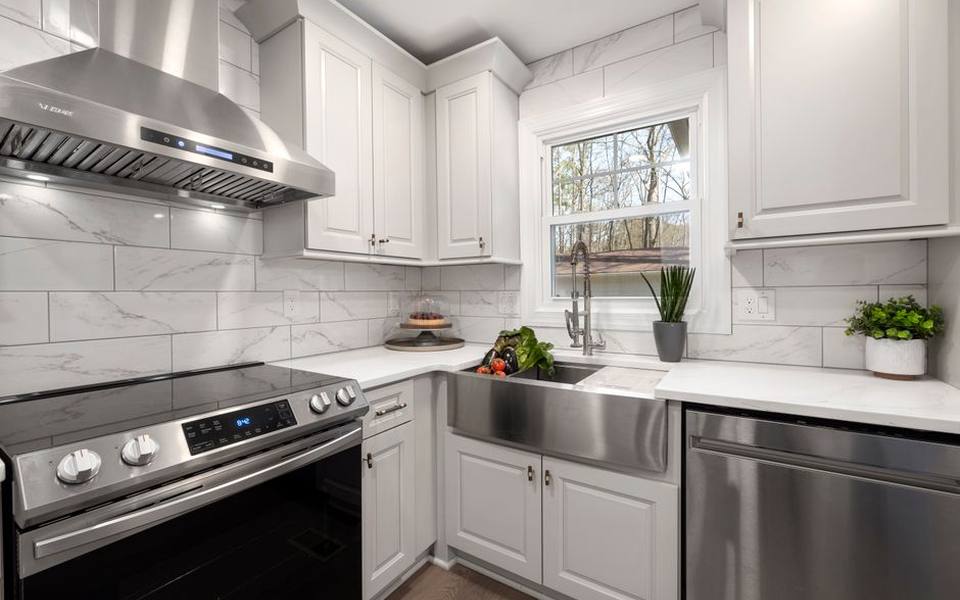
Duct routing dictates how effectively the blower fan operates in real-world conditions. Standard residential installations typically use smooth, rigid galvanized steel pipe measuring six or seven inches in diameter, or rectangular duct measuring three and a quarter by ten inches. Corrugated flexible foil ducting creates excessive internal air turbulence, which drops mechanical capture efficiency and increases operational motor noise substantially. Keeping the run as short and straight as possible prevents grease accumulation inside the pipework.
Backdraft dampers installed at the hood collar and the exterior wall terminal prevent outdoor drafts, cold winter air, and pests from entering the kitchen. If you live in colder northern climates, insulated ducting prevents condensation from forming inside the pipe, which could otherwise drip back onto the fan assembly or range surface. Proper exterior termination caps must always feature an angled hood and wire screening rather than simple louvered dryer vents that can easily trap grease.
Recirculating and ductless hood ventilation mechanics
A recirculating vent hood draws air across aluminum or stainless steel filters to pull out liquid grease droplets before pushing the air through an activated carbon core. This multi-layer filtration allows a ductless hood vent to capture airborne food particles and volatile organic compounds without requiring an exterior exit hole. After passing through the carbon matrix, the scrubbed air is vented out through slots located along the top edge or upper face of the canopy back into your kitchen.
While a ductless hood fan keeps cabinets and ceilings noticeably cleaner than cooking without any ventilation, users must understand the physical limitations of non-ducted air cleaning. Carbon filters absorb odor molecules and certain cooking gases, but they do not extract steam, water vapor, or ambient room heat. Cooking large quantities of pasta, boiling canning jars, or operating multiple gas burners will still increase room humidity, meaning you may need to crack a nearby window during long cooking sessions.
Maintaining regular filter upkeep is vital for recirculating setups because a saturated charcoal filter chokes mechanical airflow and drastically reduces capture velocity. Aluminum mesh filters must be washed frequently in hot water with degreasing detergent to prevent grease from coating the internal blower wheel. Carbon filters cannot be washed or restored; they must be replaced periodically depending on how often you fry foods, prepare aromatic spices, or sear proteins on the stove.
Over-the-range microwave ventilation and practical compromises
Combining microwave cooking and ventilation into a single overhead appliance is common in suburban tract homes and tight residential floor plans. Most over the range exhaust fans feature convertible blower assemblies that can be configured for either rear wall ducted venting, vertical roof venting, or recirculating ductless operation. This versatility saves valuable counter surface area by lifting the microwave off the counter while providing a baseline degree of cooktop smoke capture.
However, combination microwave units involve real mechanical compromises compared to dedicated standalone ventilation canopies. Microwave bases typically measure fifteen to sixteen inches deep, which leaves the front burners of a standard thirty-inch range largely uncovered by the overhead capture basin. Heavy smoke rolling off a front frying pan frequently bypasses the bottom intake grates entirely, escaping directly toward the ceiling unless the blower fan is run constantly at its loudest speed setting.
Noise production represents another major consideration when living with microwave-mounted exhaust fans. Because the motor sits inside a compact cavity alongside microwave transformers and electronics, acoustic insulation is minimal. Running the fan on high speed typically produces noticeable vibration and loud airflow noise that can make carrying on a conversation difficult. For cabins or homes situated near outdoor recreation centers, quiet operation makes kitchen prep much more enjoyable after a day exploring shooting ranges in Texas or other open regions.
Portable kitchen extractors for small spaces and apartments
Renters, tiny-home dwellers, and recreational vehicle owners frequently lack dedicated overhead ventilation, making a portable kitchen range hood an appealing problem solver. These freestanding devices sit directly on the counter adjacent to electric skillets, portable induction cooktops, or indoor raclette grills. By capturing grease vapors and steam directly at the vessel rim, a tabletop portable cooking exhaust fan prevents grease droplets from traveling into living quarters and settling onto nearby furniture.
A typical portable unit employs a compact axial or centrifugal fan housed inside an adjustable desktop stand. Airborne steam and frying smoke are drawn horizontally into a replaceable mesh screen, which traps heavier grease residues before the airstream passes through a thin charcoal pad. While portable units lack the volumetric capacity of a thirty-inch canopy hood, their proximity to the pan edge allows them to pull in a surprising percentage of cooking vapors right at the source.
Portability makes these appliances useful for temporary cooking setups, outdoor screen porches, and basement hobby benches where soldering or small-scale casting occurs. People who travel between regional sporting facilities or visit destinations like shooting ranges in Florida often keep a portable extraction unit inside their camper or gear trailer. Having a compact vent on hand keeps tight sleeping quarters free of lingering grease films and strong cooking aromas when preparing meals on the road.
Tabletop air hoods and compact extraction design
Modern compact tabletop extractors, often styled as an air hood portable range hood, focus on directional capture and small countertop footprints. Unlike overhead hoods that rely on rising thermal plumes to carry smoke upward, a portable vent hood pulls horizontally across the top of the pot. This dynamic works well for simmering broths, hot pots, and searing burgers on a standalone induction disc, where rising smoke can be snagged before it climbs into room air currents.
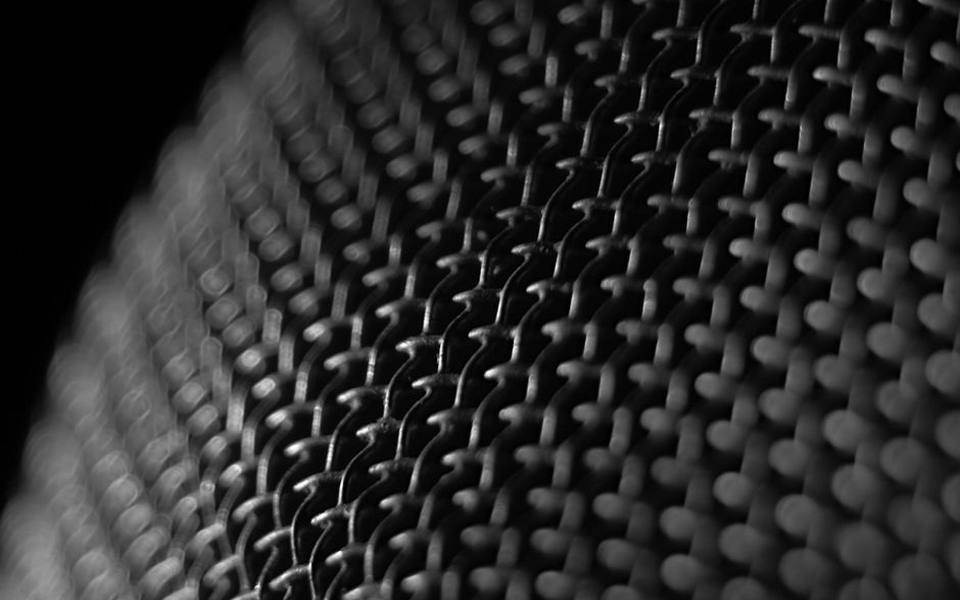
Evaluating a portable exhaust hood requires looking closely at base stability, angle adjustability, and overall filter surface area. Because these units rest on slick kitchen counters near hot liquids, a heavy weighted base or silicone stabilizing feet are essential to prevent tipping. Units with multi-angle pivot hinges allow you to aim the suction cowl directly over tall stockpots or lower it against shallow pans, optimizing capture velocity across varying cookware heights.
Cleaning a tabletop extractor is generally straightforward because components are scaled down for easy sink washing. The front grease grate unlatches quickly, allowing you to clean the collection channel where condensed liquids collect during high-moisture cooking. The activated carbon stage sits behind the grease shield, keeping it dry and extending its operational lifespan. Always verify that replacement filters for compact desktop units are readily available before purchasing specialized countertop ventilation hardware.
Airflow capacity, static pressure, and capture velocity
Range hood capacity is measured in cubic feet per minute, which indicates how much air volume the fan motor displaces under free-air conditions. For standard residential cooking on electric ranges, hoods typically deliver between one hundred fifty and three hundred cubic feet per minute. High-output gas cooktops produce significantly more heat and combustion emissions, which in most states necessitates ventilation blowers rated between four hundred and nine hundred cubic feet per minute to maintain safe capture.
However, high volumetric capacity means little without adequate capture velocity and proper static pressure handling. Static pressure measures the resistance your ductwork, elbows, exterior wall caps, and filter screens create against moving air. A blower designed with high static pressure capabilities pushes air through restrictive charcoal beds or lengthy duct runs far better than an inexpensive axial fan. Industrial and commercial ventilation standards, such as those maintained inside an indoor range, place immense emphasis on static pressure balance to guarantee clean breathing air.
Installing an excessively powerful ventilation hood in a modern, tightly sealed home can introduce backdrafting risks. If an exhaust fan pulls hundreds of cubic feet per minute out of the house without a dedicated source of make-up air, it can create negative house pressure. This pressure drop can draw dangerous combustion gases backward down natural-draft water heater flues or fireplace chimneys. Local building codes in many jurisdictions require automatic make-up air damper systems whenever ventilation hoods exceed specific airflow thresholds.
Outdoor ventilation hoods and covered patio cooking zones
Installing an outdoor cooking station beneath a covered patio, lanai, or screened porch introduces unique safety and ventilation requirements. Outdoor ventilation hoods must handle far greater heat and grease volumes than indoor residential units because commercial-style gas grills, smokers, and charcoal cookers produce dense clouds of smoke. Outdoor hoods are typically constructed from marine-grade or thick 304 stainless steel to resist rust, humidity, and temperature swings throughout seasonal weather changes.
Clearance distances for outdoor hoods are substantially larger than indoor standards. Most manufacturers recommend mounting outdoor canopies thirty to thirty-six inches above the cooking grates, with the hood extending three to six inches past the grill edges on all sides. This wider overhang accounts for outdoor crosswinds, which easily blow thermal smoke plumes out from under undersized ventilation canopies. Outdoor blowers typically feature heavy-duty baffle filtration and motors rated between nine hundred and twelve hundred cubic feet per minute.
Outdoor exhaust systems must always vent completely through solid exterior ductwork to the outside air, never into open attic spaces or enclosed patio soffits. Discharging hot grease vapor into an attic creates a severe hidden fire hazard and promotes mold growth on wooden rafters. If you maintain an outdoor entertaining space or clubhouse kitchen across properties listed in our directory across all states, pairing proper canopy depth with a sealed vertical discharge stack ensures comfortable, smoke-free outdoor gatherings.
Filter types, maintenance routines, and grease management
The primary barrier protecting your range hood motor and interior ductwork is the mechanical grease filter. Mesh filters consist of multiple layers of stamped aluminum or stainless wire pressed into an aluminum frame. They catch grease effectively through mechanical impingement, but their fine mesh patterns can clog quickly if not washed regularly. When mesh pores become caked with dried grease, motor strain increases, airflow drops, and the trapped oil presents a localized flammability concern directly above hot burners.
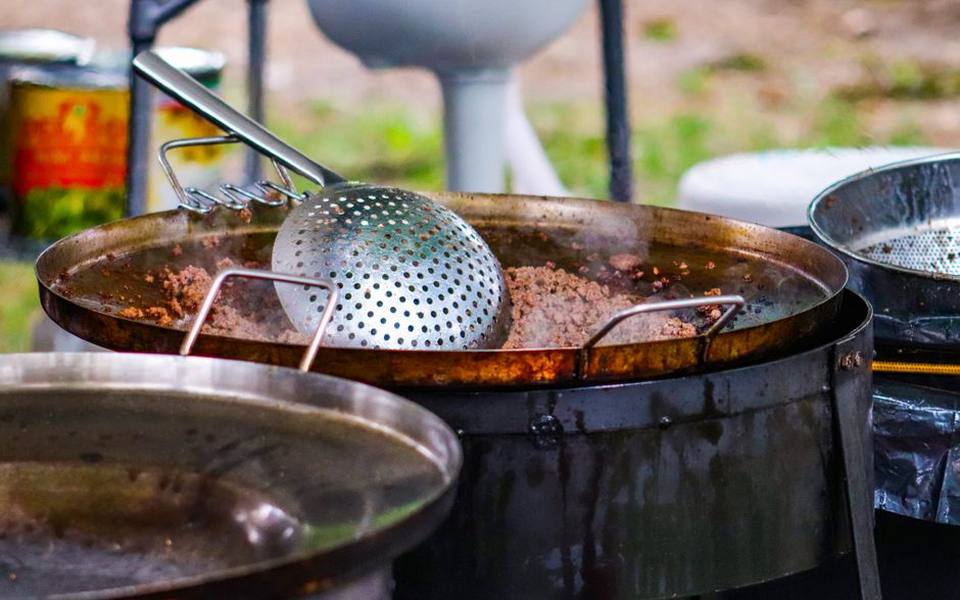
Stainless steel baffle filters are the commercial standard used in high-performance kitchen hoods and heavy-duty cooking environments. Baffles force smoke-laden air to make a series of rapid directional changes as it enters the canopy. Centrifugal force flings heavier oil droplets out of the airstream onto the smooth metal surfaces, where they drain harmlessly into a removable collection channel along the rear edge. Baffles offer lower airflow resistance than dense mesh and are easily cleaned inside standard residential dishwashers.
Charcoal filters used in recirculating and portable units require regular replacement rather than simple washing. Activated carbon features microscopic pores that trap volatile odor compounds through chemical adsorption. Over time, those pores become saturated with grease molecules and ambient household moisture, neutralizing their ability to absorb smells. Depending on your cooking frequency and preparation styles, replacing charcoal pads every three to six months keeps non-ducted air filtration functioning at peak efficiency.
Installation planning, clearances, and electrical safety
Before selecting an under-cabinet or recirculating hood, take precise measurements of your cabinet opening width, depth, and vertical clearance to the cooking surface. Standard residential cooktops measure thirty or thirty-six inches wide, and your hood should match or slightly exceed that dimension for optimal smoke capture. Most appliance manufacturers specify an installation height between twenty-four and thirty inches above electric surfaces, and twenty-eight to thirty-four inches above gas burners to avoid heat damage to control switches.
Electrical requirements vary between hardwired under-cabinet units and plug-in portable exhaust models. Permanent range hoods typically require a dedicated 120-volt, 15-amp branch circuit, grounded back to the main residential service panel. Running the hood on a shared counter circuit can lead to nuisance breaker trips if you operate high-draw countertop appliances, such as toaster ovens or blenders, while the ventilation fan runs on high speed.
Careful planning pays dividends during installation, especially when locating existing wall studs, plumbing stacks, or electrical wiring hidden behind kitchen drywall. When drilling duct openings through exterior brick, stone veneer, or fiber-cement siding, always seal the exterior mounting flange with high-grade exterior silicone caulk. Proper perimeter caulking prevents rainwater intrusion into wall cavities, keeping insulation dry and protecting your home envelope from costly structural moisture damage over the long haul.
Published 2026-09-21 · reviewed with each rebuild, last September 2026.
Find shooting ranges near you
The directory lists 6,919 shooting ranges by state and city — pick your state or use the “Near me” button in the header.
More guides
-
 Safety
Can a Felon Go to a Shooting Range? Federal Rules, Range Policies, and Shooting Sports Explained
-
 Money
MoneyGun Range Costs and Rental Guide: Fees, Ammo, and What to Expect
-
 Safety
Concealed Carry Permit Costs, Classes, and Certification Guide
-
 Service
Pinning and Welding a Muzzle Device: Legal Standards and Technical Steps
-
 Buying
FFL Transfer Fees, Background Checks, and NFA Kiosks Explained
-
 Buying
Where and How to Buy Police Trade-In Firearms Safely
-
 Owning
Beginner Guide to Long-Range Shooting: Distances, Tips, and Calculators
-
 Owning
How to Choose the Best Outdoor Shooting Range for Your Needs
-
 Safety
Indoor & Public Shooting Ranges: Etiquette, Costs, & Locating Ranges
-
 Safety
Gun Safety Courses, Hunter Education, and Concealed Carry Certification Guide
-
 Owning
Firearms Licensing, FOID Cards, and Background Checks: Verification, Processing, and Appeals
-
 Owning
Target Shooting Sports: Clay, Trap, Skeet, and Precision Rifle Disciplines
-
 Owning
Gun Cleaning Kits and Maintenance: Solvents, Bore Snakes, and Ultrasonic Cleaners
-
 Safety
Shooting Range Ear Protection & Custom Molded Earplugs
-
 Safety
Tactical Firearms Training and Advanced Defense Courses Guide
-
 Owning
Shooting Range Accessories: Eye Protection, Range Bags, and Shooting Rests
-
 Owning
Indoor Archery and Crossbow Shooting: Practical Range Guide, Zeroing, and Gear
-
 Service
Gunsmithing Services: Firearm Restoration, Stock Refinishing, and Custom Work
-
 Storage
Gun Safes and Storage Solutions: Biometric Locks, Humidity, and Ammo Storage
-
 Safety
Custom Molded Hearing Protection and Shooting Earplugs Guide
-
 Owning
Modern Shooting Ranges, Home Simulators, and Training Memberships
-
 Buying
Shooting Gear, Target Optics, Tools, and Ballistics Essentials
-
 Owning
Firearm Licensing, Permits, Background Checks, and Guard Rules
-
 Safety
Firearms Training and Self-Defense Classes: Beginner to Advanced
-
 Safety
Target Practice in the Digital Age: Viral Trends, Range Etiquette, and Practical Drills
-
 Owning
Custom Kydex Holsters Guide: Types, Revolver Fits, and Draw Techniques
-
 Safety
Tactical Defense Courses: Active Shooter Response, Medic Training, and Self-Defense
-
 Owning
Complete Guide to Kitchen Range Hood Venting, Ductwork, and Installation
-
 Service
Creative Birthday Photoshoot Ideas for Kids, Teens, and Adults
-
 Buying
Commercial Kitchen Exhaust Hoods: Complete Selection and Ventilation Guide
-
 Safety
NRA Range Safety Officer Certification: Requirements, Training, and Field Expectations