What to Expect from a Concealed Carry Class
A concealed carry course introduces safe firearm handling, legal boundaries regarding defensive force, and practical marksmanship. Most qualified instructors divide training between classroom instruction and live-fire range drills. During the lecture portion, students review state-specific statutes, prohibited carry zones, the legal definition of self-defense, and responsible home storage practices.
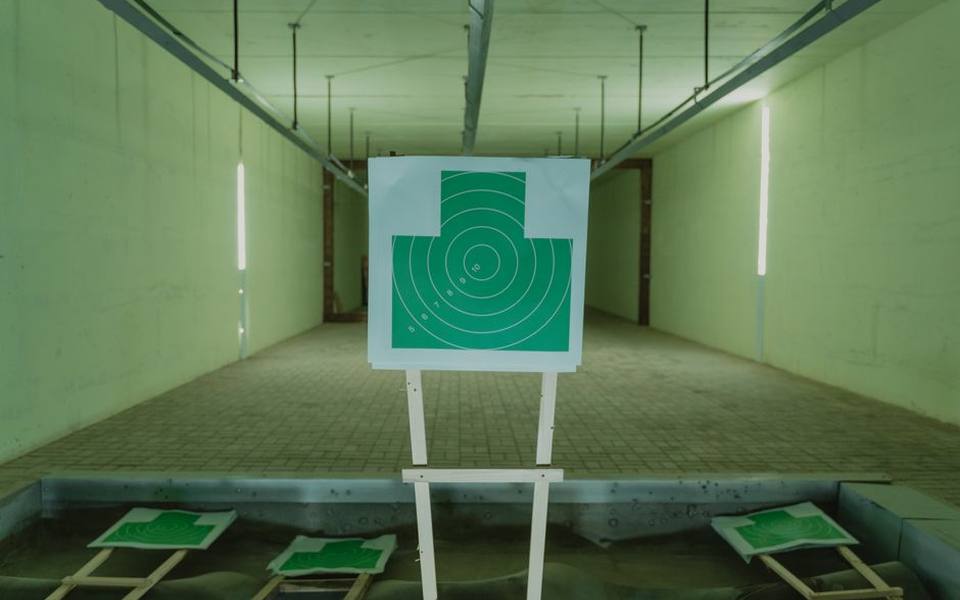
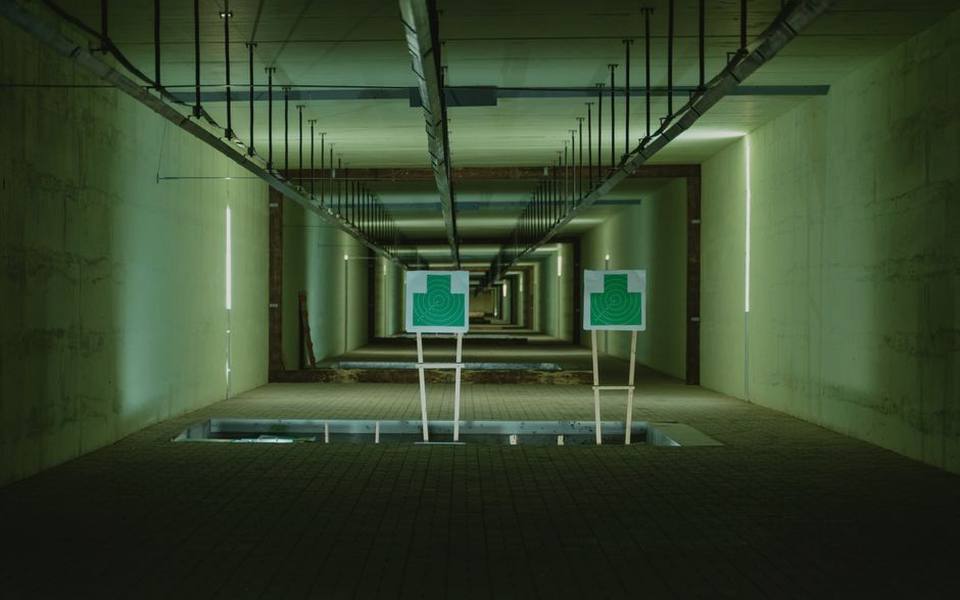
The practical shooting segment evaluates your ability to safely load, present, fire, and clear a handgun under supervision. Range qualifications generally involve shooting a predetermined round count at short to intermediate defensive distances, typically from three to fifteen yards. Many facilities providing training or certification classes maintain dedicated educational bays so new shooters can complete their tests in a calm, managed setting.
Instructors do not design qualification drills to be unreasonably difficult; their main obligation is ensuring that students handle firearms without violating basic muzzle discipline or trigger control. For those who have never handled a handgun before, booking a fundamental handling lesson beforehand can help you focus entirely on the legal rules covered during permit day.
The Meaning Behind CCW Certification
Many first-time gun owners conflate an instructor's certificate with an official state permit. A training certificate is simply proof that you attended an approved educational course and completed the curriculum required by local law. Receiving that slip of paper from your trainer does not grant legal authorization to carry a hidden weapon in public spaces.
After earning your certificate, you must submit it alongside your formal application to the appropriate government entity, which is typically the county sheriff's office, municipal police department, or state licensing division. State personnel run comprehensive background investigations, query criminal registries, review mental health adjudications, and verify fingerprint impressions before granting or denying issuance.
During live-fire testing, participants generally bring their own defensive handgun along with factory-loaded ammunition. However, prospective permit holders who have not settled on a permanent carry piece often visit shooting ranges with gun rentals to test subcompact and compact frames before committing to a daily-carry firearm.
Estimating Total Permitting and Training Costs
The overall financial commitment to obtain a permit breaks into two main categories: instruction charges and statutory filing fees. Tuition for the class itself depends on class length, instructor credentials, and facility amenities. Basic half-day or full-day courses typically sit within a moderate price tier, while advanced classes bundling multiple state certifications generally require a higher investment.
State processing and licensing costs represent an entirely separate fee paid directly to public agencies. Depending on where you apply, this transaction covers administrative paperwork review, digital fingerprint submissions, and physical credential printing. In most states, baseline administrative fees fall within a predictable moderate range, although certain metropolitan jurisdictions assess substantially steeper administrative charges.
Budget planning should also account for minor auxiliary expenses, including qualifying ammunition, protective eyewear, hearing protection, and formal ID photos if your issuing authority does not capture them on-site. Contacting nearby shooting range facilities ahead of time helps verify whether range time and paper targets are covered under standard class fees or billed separately upon check-in.
Navigating Reciprocity and Non-Resident Permits
State boundaries present unique legal challenges because concealed carry authorizations stop where state sovereignty ends. Reciprocity agreements dictate whether another state acknowledges your home license as valid. Even when two states honor the same permit, you must strictly follow the local carry statutes of whichever jurisdiction your feet are currently standing in.
A common point of confusion revolves around states with high-demand credentials like Utah. Utah allows permitless carry for qualified adults within its borders, but state authorities continue issuing official standard and non-resident permits. Because Utah enforces structured educational standards, its non-resident credential enjoys broad multi-state recognition, making it widely sought after by travelers.
Other states offer comparable arrangements with broad geographic utility. For example, individuals often investigate non-resident paperwork linked with shooting ranges in Florida, which also features an established reciprocity footprint across numerous regional corridors. Before traveling, reviewing current reciprocity agreements directly on state law enforcement or attorney general portals is necessary to prevent inadvertent legal infractions.
Maintaining Credentials, Gear, and Everyday Habits
A concealed carry permit is rarely a permanent credential. In most states, permits typically remain active for four to five years before reaching an expiration threshold. Renewal steps are usually less demanding than initial applications, frequently relying on updated background checks and lower paperwork fees, though some jurisdictions still require occasional refresher training or live-fire demonstration.
Carrying securely requires adopting reliable gear habits from the beginning. A durable holster engineered specifically for your exact gun model ensures the trigger guard remains fully enclosed and prevents the handgun from shifting throughout daily movement. Avoid unshaped fabric pouches that collapse upon drawing, as they create unnecessary safety hazards during re-holstering.
Legal possession represents only the starting baseline of responsible carry. Continued skill development through deliberate dry-fire practice at home and periodic defensive marksmanship training maintains essential muscle memory. Developing de-escalation skills and strong situational awareness remains far more important than relying solely on the presence of a defensive tool.
Published 2026-09-20 · reviewed with each rebuild, last September 2026.
Find shooting ranges near you
The directory lists 4,654 shooting ranges by state and city — pick your state or use the “Near me” button in the header.
More guides
-
 Safety
Can a Felon Go to a Shooting Range? Federal and State Laws Explained
-
 Money
MoneyGun Range Costs & Rental Guide: Fees, Ammo, and What to Expect
-
 Service
Pinning and Welding a Muzzle Device: Legal Standards and Technical Steps
-
 Buying
FFL Transfer Fees, Background Checks, and NFA Kiosks Explained
-
 Buying
Where and How to Buy Police Trade-In Firearms Safely
-
 Owning
Beginner Guide to Long-Range Shooting: Distances, Tips, and Calculators
-
 Owning
How to Choose the Best Outdoor Shooting Range for Your Needs