The Core Principles Behind Formal Safety Training
Every formal shooting class begins with universally recognized gun safety rules designed to prevent mechanical accidents and negligent discharges. Instructors emphasize that every firearm must be handled as if it were loaded, regardless of the handler's assumptions. Keeping the muzzle pointed in a safe direction at all times prevents catastrophe if a mechanical failure occurs. The rule protects everyone nearby by ensuring that an errant discharge strikes a backstop or harmless surface.
Trigger discipline serves as the second mechanical barrier to accidental firing. Modern training doctrines teach shooters to keep the index finger rested straight along the frame well above the trigger guard until the sights are aligned on a deliberate target. In high-stress defensive situations or unfamiliar range settings, natural startle reflexes can cause sympathetic muscle contractions. By anchoring the finger along the frame, the handler prevents unintentional trigger manipulation during movement, stumbling, or sudden verbal commands.
Target identification rounds out the baseline doctrine, requiring students to verify not only their intended point of impact but also everything in front of and beyond it. Range backstops and berms exist for this purpose, absorbing stray rounds that miss paper targets. In defensive or sporting contexts, knowing your backstop prevents projectiles from piercing drywall or traveling through dense brush into populated areas. These foundational rules remain identical across handgun classes, shotgun clinics, and hunting certifications nationwide.
What to Expect in an Entry-Level Gun Safety Course
A foundational gun safety course is built specifically for novice shooters, new gun owners, or individuals looking to refresh basic skills in a controlled classroom setting. Most introductory sessions run between three and six hours, typically dividing time evenly between tabletop theory and live shooting. You do not need to own a firearm to participate, as most hosts provide sanitized training hardware, dummy rounds, eye protection, and electronic ear muffs for use during the session.
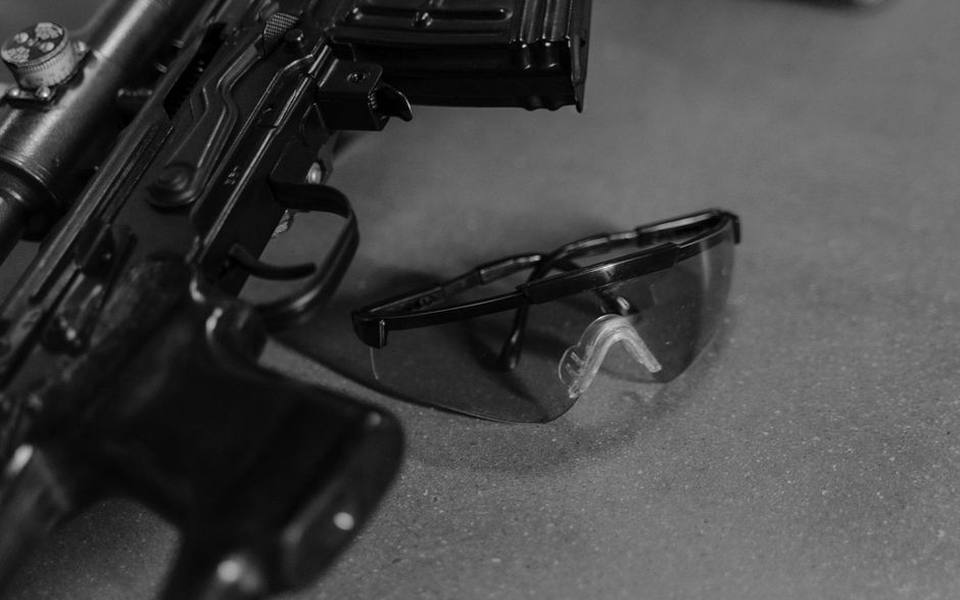
Classroom instruction walks through the nomenclature of modern revolvers, semi-automatic pistols, bolt-action rifles, and pump shotguns. Instructors show students how actions lock open, how magazines seat and release, and how manual safeties operate mechanically. Using inert training cartridges known as snap caps, students practice loading, cycling, and clearing simulated malfunctions without live powder present. You can browse local facilities offering training or certification classes to locate vetted instructors offering entry-level curricula near your neighborhood.
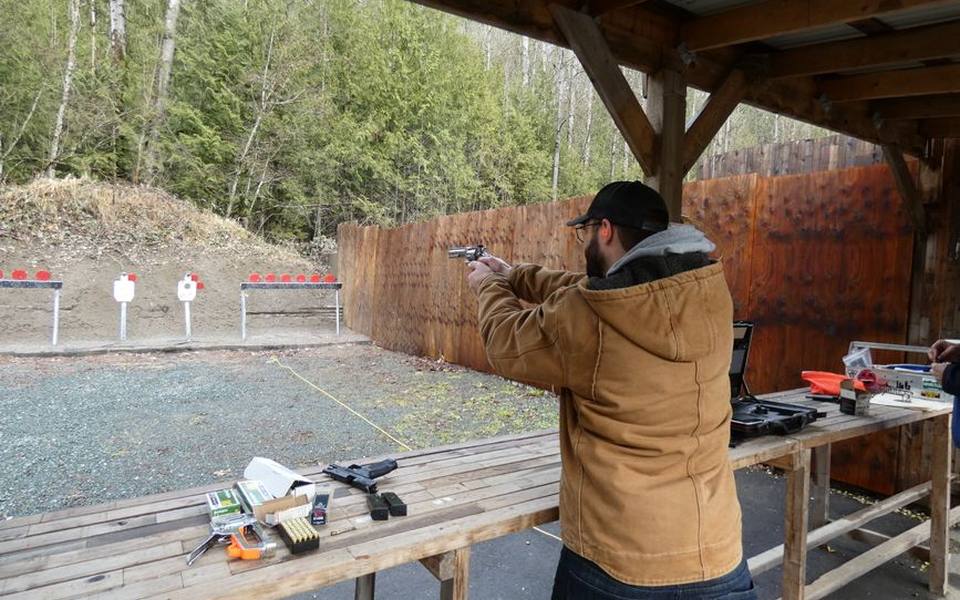
The day usually concludes with supervised live fire under the direct observation of a range safety officer. Beginners shoot low-recoil calibers such as .22 Long Rifle at close-range paper targets, focusing entirely on stance, two-handed grip, steady breathing, and smooth trigger press rather than rapid shot placement. Instructors assess whether you can uncase, load, fire, clear, and bench your firearm while maintaining strict muzzle control before awarding a certificate of completion.
Mandatory State Firearm Safety Certificates and Purchase Requirements
Several jurisdictions mandate a formal firearm safety certificate or state-administered test before a resident can legally purchase or transfer a gun. These regulatory tests verify baseline legal knowledge, safe storage compliance, and general mechanical handling before retail paperwork can proceed. While traditional courses emphasize range craft, statutory certification tests focus heavily on statutory penal codes, waiting periods, background checks, and home storage liabilities.
In jurisdictions like the West Coast, applicants must study an official state handbook before taking an in-person, multiple-choice written exam at a licensed gun dealership. Prospective buyers looking into shooting ranges in California often complete this test right at the range counter or retail gun counter, needing to score typically around seventy-five percent or higher to pass. Demonstrating a safe handling test with a dummy cartridge on the dealer counter is frequently required as well.
Obtaining a state gun safety certification rarely authorizes a person to carry a concealed weapon outside the home; it strictly serves as an eligibility prerequisite for point-of-sale background checks. The certificate typically remains valid for several years, usually between three and five depending on local law, after which the holder must retake the examination. Retaining duplicate physical cards in a secure home lockbox prevents delays when visiting a local retailer for future transfers.
The Standard NRA Basics of Pistol Shooting Curriculum
The standardized NRA basics of pistol shooting course remains one of the most widely accepted foundational credentials in the United States. Many county sheriffs and state regulatory boards accept this specific curriculum to satisfy the training prerequisite required for concealed carry applications. The course is structured to accommodate both total beginners and self-taught shooters who wish to correct bad habits developed over years of uncoached shooting.
Modern delivery often follows a blended format where students complete self-paced interactive modules online before stepping into an actual facility. The digital portion covers ammunition components, ballistics basics, cleaning equipment, and storage solutions, concluding with a comprehensive written exam. The second half takes place entirely on an active firing line under the direct physical guidance of a certified pistol instructor, focusing on the five fundamentals of accurate marksmanship.
During the live-fire component, students shoot standardized targets from varying distances, typically starting at ten feet and progressing back to fifteen and twenty-one feet. Shooters who do not yet own hardware can check out ranges with guns available to rent to sample different frame sizes before committing their own capital. Passing requires demonstrating consistent group accuracy alongside total command of safe loading, unloading, and malfunction clearing protocols.
Concealed Carry Courses and Permit Qualifications
A formal concealed carry course goes well beyond rudimentary target marksmanship, centering on the severe legal and ethical ramifications of carrying a defensive firearm in public. Instructors unpack state statutes concerning lethal force, duty to retreat, defense of third parties, and prohibited carry locations like post offices and courtrooms. Students learn that winning a physical confrontation is only the first hurdle, as criminal investigations and civil suits inevitably follow defensive incidents.
Practical marksmanship drills in a carry class simulate real-world defensive distances, requiring shooters to present from a secure holster or low-ready position under reasonable time limits. Training often takes place at an indoor range where target distance, lighting, and environmental factors are completely controlled. Qualifications usually require firing between thirty and one hundred rounds into designated center-mass zones, testing consistent recoil management and rapid follow-through.
The curriculum also covers equipment selection, including sturdy belts, trigger-covering Kydex holsters, and methods for carrying discreetly without printing through everyday clothing. Instructors stress situational awareness doctrines such as Cooper's color codes, encouraging permit holders to identify early pre-threat indicators and de-escalate confrontations before deadly force ever becomes a consideration. Upon completing the course, students receive an official certificate necessary to submit with their county permit application.
Navigating Regional Carry Standards: The Nevada and Las Vegas Example
Concealed weapon laws vary widely across states, meaning classes must tailor their content to the county-specific or state-specific standard where the permit is issued. Anyone researching ccw las vegas classes, for example, encounters rules established under Nevada statutory requirements and the local metropolitan police department. In Nevada, an initial concealed firearm class requires a minimum of eight hours of total instruction, including rigorous live-fire qualification.
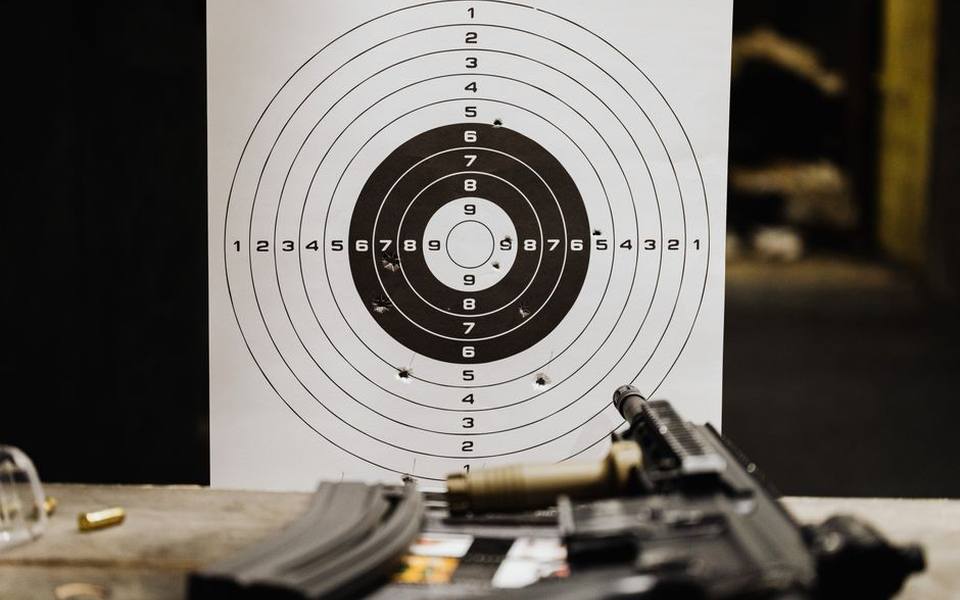
Nevada shooting qualifications require students to fire at a standardized silhouette target at distances of three, five, and seven yards. The shooter must land a specific percentage of their shots within the primary scoring rings to demonstrate adequate defensive competence. Furthermore, Nevada instructors cover the distinct realities of carrying inside resort corridors, casinos, transit hubs, and private commercial properties where corporate trespass policies frequently supersede permissive public carry statutes.
These regional classes also provide practical guidance on reciprocity maps, showing students which surrounding Western states will honor an unexpired Nevada non-resident or resident credential. Because Nevada does not recognize every neighboring state permit automatically, local training coordinators walk students through the paperwork required to maintain parallel credentials across border lines if they travel frequently for work or recreation.
Renewing a Concealed Carry Permit Without Lapses
Concealed carry licenses expire periodically, typically every four to five years depending on the issuing state or municipality. A ccw permit renewal process almost always demands an updated, shortened training class before the licensing clerk will process an extension. Allowing your credential to lapse means losing your legal authorization to carry defensively in public, and some jurisdictions force lapsed holders to complete the entire introductory course again from scratch.
Renewal classes generally run three to four hours, spending less time on introductory handgun nomenclature and more time on recent legislative updates. State legislatures frequently alter statutory definitions regarding where firearms are prohibited, sensitive locations, and self-defense immunities during annual sessions. The renewal classroom serves as a crucial legal update to keep long-time permit holders from committing unintentional misdemeanors due to outdated legal knowledge.
A live-fire requalification is usually mandated during renewal day, confirming that the carrier has maintained minimum marksmanship proficiency throughout their licensed period. You will fire a fresh string of fire on paper, demonstrating controlled pairs and smooth manipulation. Once the instructor signs your renewal affidavit, submit it promptly alongside the state filing fee to your local sheriff's department or licensing authority well before your expiration date arrives.
Hunter Safety Education Courses for Sporting Field Readiness
State wildlife agencies require a certified hunter education course before issuing hunting licenses to prevent accidental shootings and preserve wildlife habitats. Unlike defensive handgun training, a hunter safety education course centers heavily on shotgun, rifle, and archery ethics in natural field environments. The course teaches conservation ecology, game identification, zone-of-fire awareness when walking abreast with hunting partners, and fair-chase sportsmanship.
Safety in the sporting field involves environmental hazards that go far beyond muzzle discipline, such as crossing fences safely, traversing slippery ravines, and climbing into elevated treestands. Falls from elevated platforms represent the leading cause of hunting injuries across North America, which is why instructors emphasize full-body fall-arrest harnesses and haul lines. You can search nationwide shooting range facilities across directory listings to find outdoor sportsman clubs hosting seasonal hunter education field clinics.
Modern hunter education courses frequently utilize an online curriculum covering wildlife biology and theoretical laws, followed by an in-person field day. During field day evaluations, students walk simulated hunting trails where pop-up animal silhouettes test whether the hunter knows when to shoot and when to hold fire due to an unsafe background. Successfully passing both the written exam and hands-on trail walk yields a permanent hunter education card recognized across all fifty states.
State Wildlife Agency Formats: The Louisiana Hunter Education Standard
Every state agency adapts hunter training slightly to match regional terrain, game species, and local watercraft hunting risks. A resident researching a hunter education course louisiana encounters curriculum curated by the Louisiana Department of Wildlife and Fisheries. In this region, instruction frequently highlights firearm safety around bayous, flat-bottom boats, marsh blinds, and retriever dogs, where muzzle control is severely challenged by wet, unstable footing.
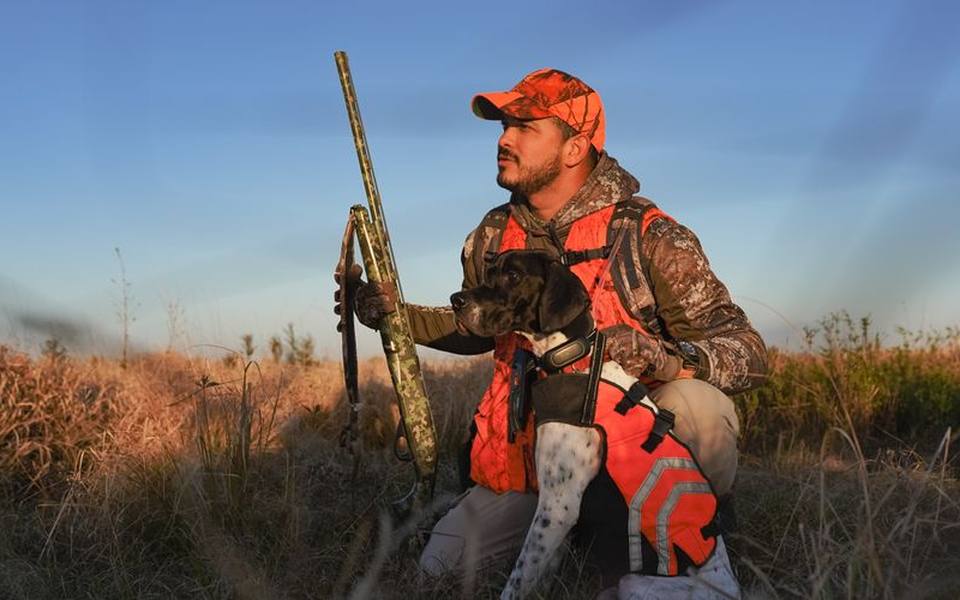
Louisiana provides free, agency-hosted classroom options as well as hybrid paths where students over a specific age threshold can complete approved online course material on their own schedule. However, completing online quizzes is only half the journey; prospective hunters typically must attend a live field day event held at authorized wildlife management ranges. There, state-credentialed volunteer instructors assess the applicant's firearm handling, crossing techniques, and live-fire precision.
The live-fire assessment in Louisiana typically requires shooting a rimfire rifle or small-gauge shotgun under close proctor supervision to verify safe line-of-fire etiquette. Once completed, the physical Hunter Education Certification card is logged permanently into the state's licensing database. This record links directly to your resident sports license profile, letting you purchase waterfowl, deer, and small-game tags online in future seasons without showing physical paperwork repeatedly.
Advancing Your Credentials to NRA Instructor Certification
Experienced marksmen who want to teach professionally, operate commercial range training companies, or certify citizens for concealed carry permits pursue an nra instructor certification. Earning this credential requires demonstrating both advanced mechanical expertise and the pedagogical ability to communicate safety concepts effectively to nervous beginners. Training centers expect candidates to possess mature shooting habits, emotional patience, and deep familiarity with training aids before enrolling.
The certification journey begins with the Basic Instructor Training seminar, commonly known as BIT, which covers policies, organization, classroom media management, and public speaking techniques. Following the common core, candidates take discipline-specific workshops for pistol, rifle, shotgun, personal defense inside the home, or range safety officer operations. Each discipline requires passing a thorough written exam on training protocols with a minimum score typically set around ninety percent.
Instructor candidates must also pass a demanding pre-course live-fire qualification on the line, shooting tight groups under time constraints to prove their marksmanship meets instructor criteria. Once certified, instructors are authorized to purchase official teaching packets, issue nationally recognized student credentials, and operate covered training businesses. Maintaining your credentials requires paying periodic association dues and submitting documented class rosters to verify active, compliant teaching hours.
Published 2026-09-21 · reviewed with each rebuild, last September 2026.
Find shooting ranges near you
The directory lists 6,919 shooting ranges by state and city — pick your state or use the “Near me” button in the header.
More guides
-
 Safety
Can a Felon Go to a Shooting Range? Federal Rules, Range Policies, and Shooting Sports Explained
-
 Money
MoneyGun Range Costs and Rental Guide: Fees, Ammo, and What to Expect
-
 Safety
Concealed Carry Permit Costs, Classes, and Certification Guide
-
 Service
Pinning and Welding a Muzzle Device: Legal Standards and Technical Steps
-
 Buying
FFL Transfer Fees, Background Checks, and NFA Kiosks Explained
-
 Buying
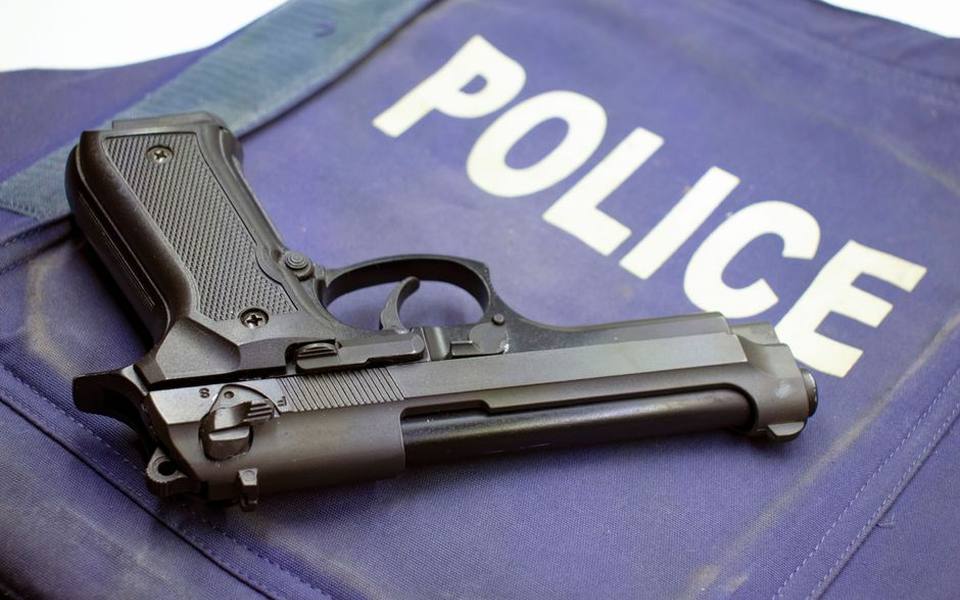
Where and How to Buy Police Trade-In Firearms Safely
-
 Owning
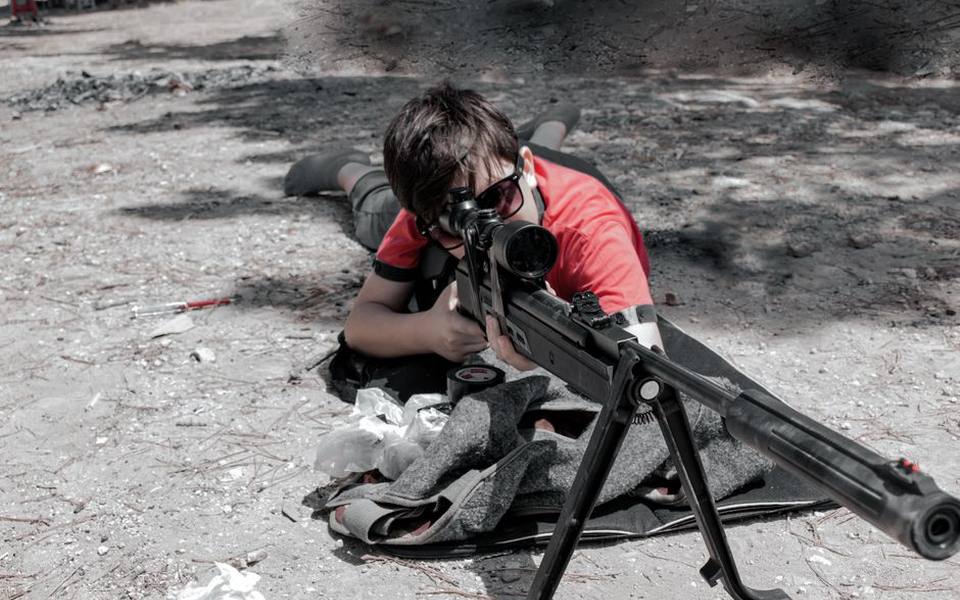
Beginner Guide to Long-Range Shooting: Distances, Tips, and Calculators
-
 Owning
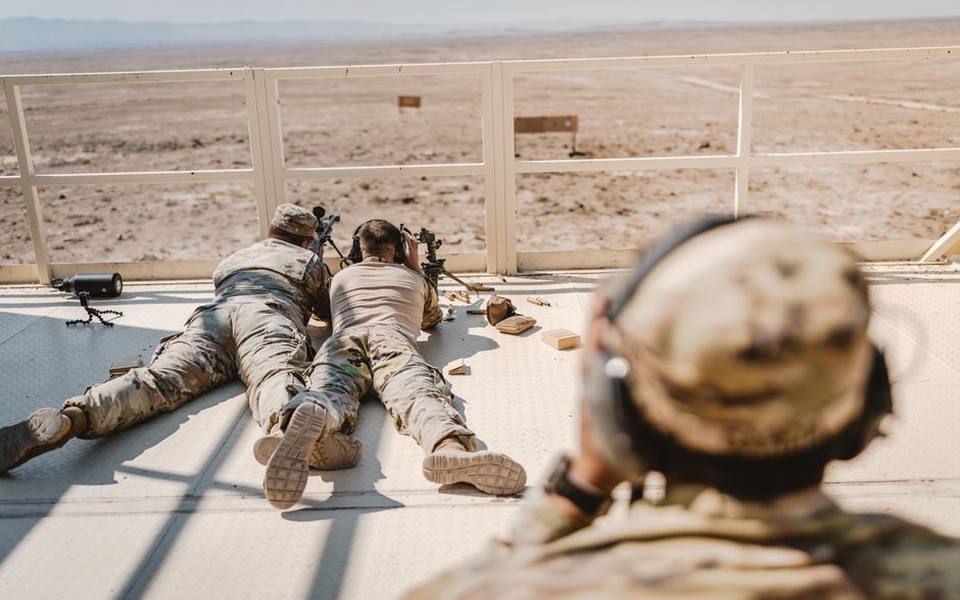
How to Choose the Best Outdoor Shooting Range for Your Needs
-
 Safety
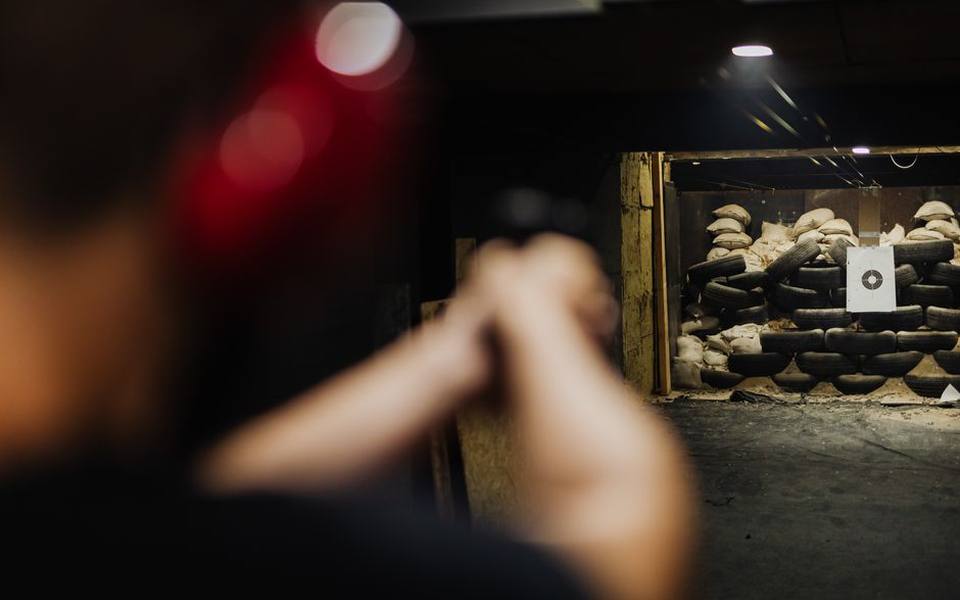
Indoor & Public Shooting Ranges: Etiquette, Costs, & Locating Ranges
-
 Owning
Firearms Licensing, FOID Cards, and Background Checks: Verification, Processing, and Appeals
-
 Owning
Target Shooting Sports: Clay, Trap, Skeet, and Precision Rifle Disciplines
-
 Owning
Gun Cleaning Kits and Maintenance: Solvents, Bore Snakes, and Ultrasonic Cleaners
-
 Safety
Shooting Range Ear Protection & Custom Molded Earplugs
-
 Safety
Tactical Firearms Training and Advanced Defense Courses Guide
-
 Owning
Shooting Range Accessories: Eye Protection, Range Bags, and Shooting Rests
-
 Owning
Indoor Archery and Crossbow Shooting: Practical Range Guide, Zeroing, and Gear
-
 Service
Gunsmithing Services: Firearm Restoration, Stock Refinishing, and Custom Work
-
 Storage
Gun Safes and Storage Solutions: Biometric Locks, Humidity, and Ammo Storage
-
 Safety
Custom Molded Hearing Protection and Shooting Earplugs Guide
-
 Owning
Modern Shooting Ranges, Home Simulators, and Training Memberships
-
 Buying
Shooting Gear, Target Optics, Tools, and Ballistics Essentials
-
 Owning
Firearm Licensing, Permits, Background Checks, and Guard Rules
-
 Safety
Firearms Training and Self-Defense Classes: Beginner to Advanced
-
 Safety
Target Practice in the Digital Age: Viral Trends, Range Etiquette, and Practical Drills
-
 Owning
Custom Kydex Holsters Guide: Types, Revolver Fits, and Draw Techniques
-
 Safety
Tactical Defense Courses: Active Shooter Response, Medic Training, and Self-Defense
-
 Owning
Complete Guide to Kitchen Range Hood Venting, Ductwork, and Installation
-
 Service
Creative Birthday Photoshoot Ideas for Kids, Teens, and Adults
-
 Buying
Portable, Ductless, and Under-Cabinet Range Hood Selection Guide
-
 Buying
Commercial Kitchen Exhaust Hoods: Complete Selection and Ventilation Guide
-
 Safety
NRA Range Safety Officer Certification: Requirements, Training, and Field Expectations